DOOM’s demise rumors debunked: What’s happening with id Software
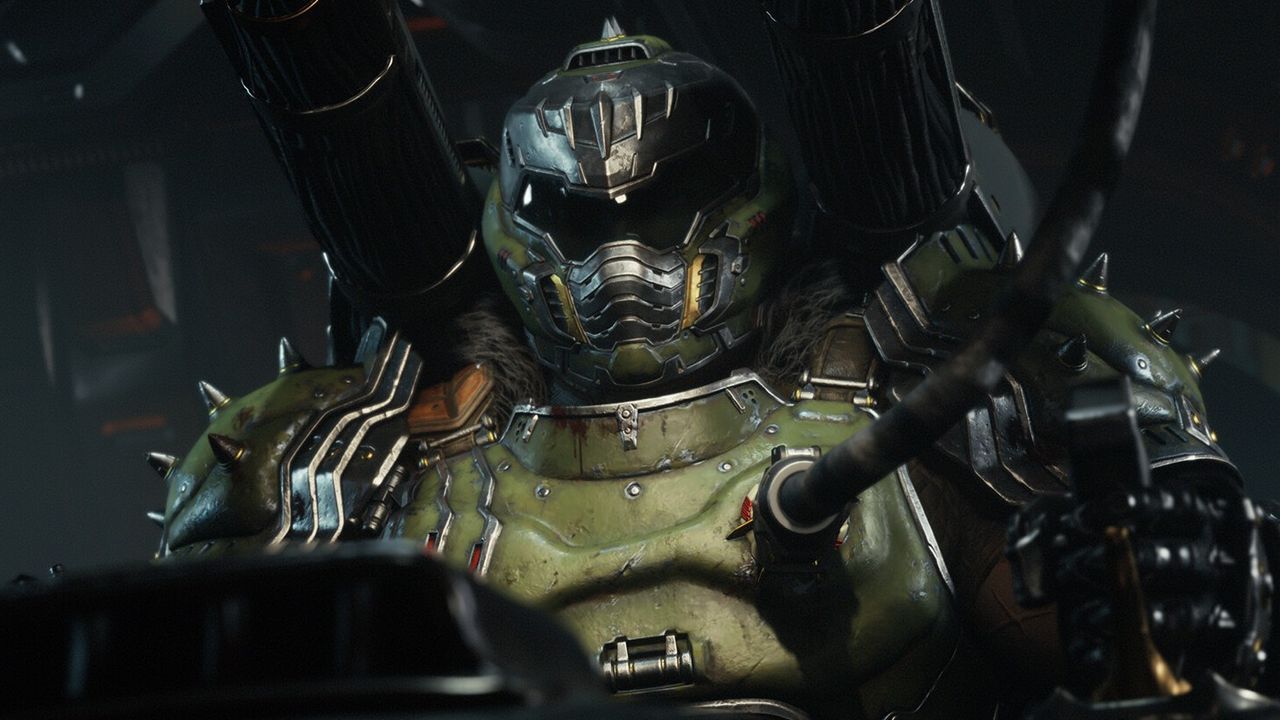
The recent shakeup at Xbox has been nothing short of seismic. Following a wave of optimistic changes under the new CEO Asha Sharma, the company has enacted sweeping cuts that have sent ripples of anxiety through the industry. With thousands of jobs removed and further reductions planned, the atmosphere within Xbox is understandably dire, forcing a critical look at what the future holds for its creative engine rooms.
This restructuring has instantly shifted the spotlight onto the fate of legendary studios, most notably id Software, the powerhouse behind franchises like DOOM. As the discourse raged online, questions focused on whether the foundations of game development—specifically the celebrated id Tech engine—were about to crumble under Microsoft’s fiscal demands.
The narrative surrounding id Software has been intense. Some speculated that the studio’s lauded technical assets were effectively frozen, leading some to wonder if the company could sustain its own output. However, beneath the surface of these harsh financial decisions, a deeper story of resilience persists. Despite the immense pressure, there is solid evidence suggesting that the core expertise and talent within id Software remain robust and intact.
The central question became: What happens to the foundation that powers so many first-person experiences? While some speculated about a forced migration to alternatives like Unreal Engine, internal reports suggested Microsoft had no immediate plans to abandon id Tech or forcibly shift studios away from it. This stance indicates a commitment to leveraging existing, proven infrastructure rather than discarding established expertise.
The truth is that the engine itself remains powerful. The id Tech engine has been celebrated for its optimization and versatility, powering everything from iconic shooters like DOOM to sprawling open-world games. Rumors of demise pale in comparison to the reality: the talent required to maintain and innovate within this system endures. As one source indicated, there is a substantial group of experts still working on id Tech across various locations, suggesting that any notion of total collapse has been dramatically exaggerated by the harshness of the recent cuts.
The focus remains squarely on iconic IP. Microsoft’s drive seems heavily weighted toward growing its most recognizable franchises, like DOOM and Quake, rather than chasing unproven new ventures. This prioritization suggests an eternal truth in gaming: while corporate metrics dictate quarterly thinking, certain cultural touchstones possess enduring power. The legacy of games like DOOM will undoubtedly outlive the boardroom decisions.
While the financial reality was undeniably brutal, it is worth noting that not all areas were equally impacted. While Xbox faced significant shifts, other studios, such as Blizzard, appeared largely untouched in the immediate aftermath. This contrast highlights how corporate strategy impacts different divisions within a large entity.
Ultimately, the narrative of the past week serves as a stark reminder that even colossal corporations are subject to relentless economic forces. Yet, beneath the layers of layoffs and reorgs, the creative fire—the talent and the passion for building worlds—tends to remain fiercely alive. The future of gaming is far from determined by quarterly reports; it is written in code and carried on by those who continue to innovate.
Buy on Amazon
Credit