Drones clear clouds to boost solar farm power
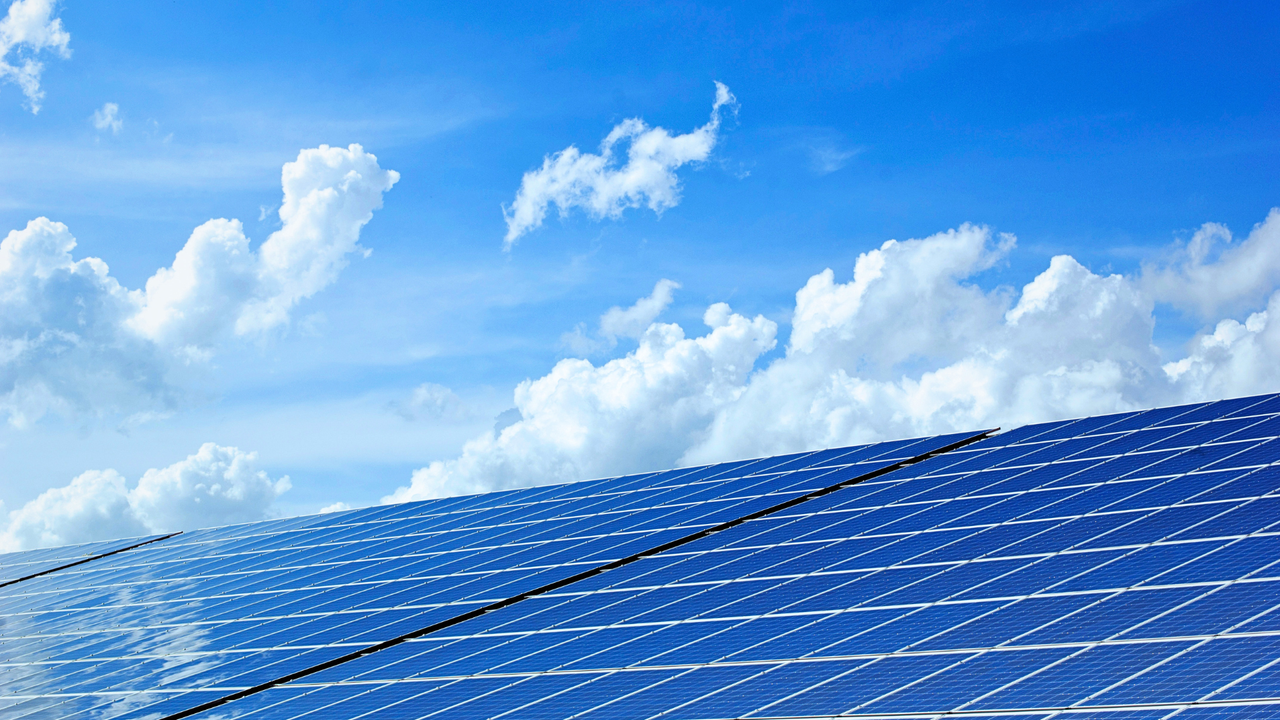
Drones to Dissipate Clouds: A High-Tech Solution for Solar Power
The race to maximize renewable energy production is increasingly running into atmospheric resistance. For solar farms, the biggest obstacle isn’t the panels themselves, but the clouds overhead, which act like a massive, invisible blanket, severely limiting the sunlight that can hit the photovoltaic cells. Enter Meteoric, a startup founded by two engineers from the University of Cambridge that is developing a radical, drone-based solution to this problem.
Meteoric’s vision is ambitious: to deploy fleets of autonomous drones into low- and mid-altitude clouds hovering over solar farms and mechanically alter the water droplets within them. The goal is simple yet transformative—to reduce the clouds’ reflectivity, allowing more sunlight to penetrate and boost energy generation.
The impact of this is staggering. Overcast clouds can block a staggering 73% to 82% of incoming sunlight. By effectively clearing or thinning these layers, Meteoric claims their method can restore measurable amounts of light to the panels below. Their cloud-loss model suggests that implementing this technology could increase annual energy generation from existing assets by 10% to 30% across major U.S. grid regions, potentially generating between $5,000 and $28,000 per megawatt without the need for costly new infrastructure.
Beyond boosting solar output, the team has a broader aspiration: to reduce the intensity of severe weather events, including hurricanes.
The technical innovation behind the concept is rooted in mechanics rather than chemicals. While existing methods to dissipate fog or low clouds involve expensive techniques like dispersing carbon dioxide or mechanically mixing air via helicopter operations, Meteoric’s approach leverages the efficiency of electric drones. Their system proposes flying drones into the clouds to mechanically manipulate water droplets.
This distinction is critical for scalability and economics. Where traditional methods involve exorbitant operational costs—costing over $2,000 per hour for aircraft operations—Meteoric’s electric drones are projected to cost only $30 to $60 per hour, making the operation significantly more accessible and viable for large-scale deployment. In fact, preliminary testing indicates their prototype successfully dissipated an artificial cloud by 13% in laboratory chamber tests.
While the promise for localized solar deployment is compelling, the idea of modifying large-scale weather systems naturally invites scrutiny. Experts caution that altering the atmosphere to achieve dramatic effects like weakening hurricanes is scientifically complex. The World Meteorological Organization has expressed concern, noting that weather modification technologies claiming such large-scale results often lack a solid scientific foundation and should be treated with suspicion. There is also the inherent risk of unintended ecological consequences when manipulating local weather conditions.
Despite these scientific reservations regarding large-scale atmospheric alteration, the technology offers a unique and immediately beneficial approach for energy operators seeking to maximize output from existing solar assets. As other institutions, including Meta and Reflect Orbital, explore orbital mirror technology to redirect sunlight, Meteoric’s ground-based drone approach offers a novel, localized pathway to unlocking the full potential of solar energy in our rapidly changing climate.
Buy on Amazon
Credit