Drones use screwed compasses for navigation camera tilts when comms fail
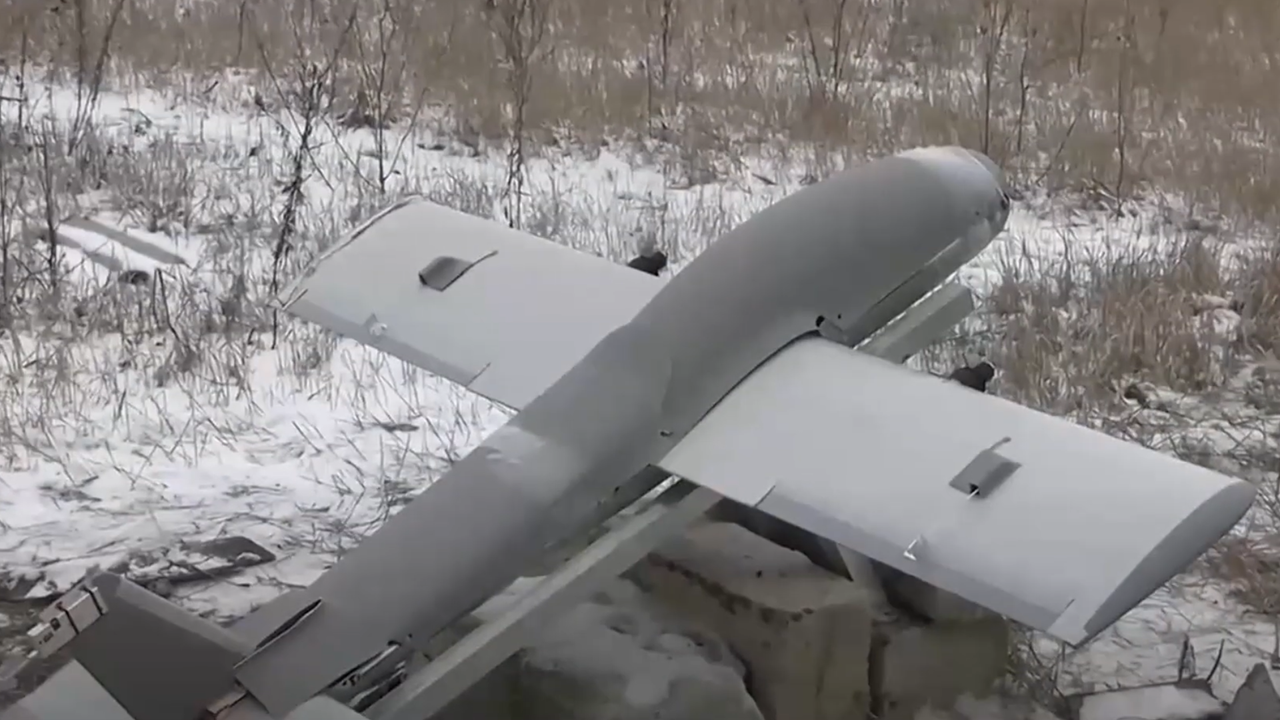
The battlefield is no longer just a landscape; it is a high-speed laboratory for technological innovation. In Ukraine’s ongoing conflict against Russian aggression, drone warfare has evolved into an intense contest of ingenuity, where military necessity forces operators on both sides to invent solutions faster than the enemy can deploy them.
As modern technology pushes the boundaries of combat, so too do the methods used to navigate and control unmanned aerial vehicles. Efforts have focused heavily on developing long-range systems, such as Starlink-powered drones, and jam-proof fiber optic cables designed to render surveillance impervious to electronic interference. These advancements aim to overcome the persistent challenge of electronic warfare that plagues the airspace.
However, even the most sophisticated systems are vulnerable to external disruption. GPS jamming is a notorious obstacle in contested airspace, threatening to blind drone operators and throw them off course. Faced with this reality, frontline units have begun experimenting with creative, if somewhat crude, field upgrades to ensure mission success.
One such innovation involves utilizing magnetic principles for navigation. Recognizing the vulnerability of reliance on standard GPS signals, some Russian units have crudely installed magnetic compasses directly onto Molniya drones. These simple additions are positioned near the camera, allowing pilots to glance down and confirm their bearings, supplementing or replacing lost GPS data.
While critics might dismiss these modifications as primitive, the reality is that they offer a crucial advantage in a highly contested electronic environment. By combining this magnetic input with other telemetry data, drone operators can effectively locate themselves, demonstrating how practical improvisation can bridge the gap between cutting-edge technology and immediate battlefield necessity.
Simultaneously, drones are evolving further through material science. The concept of fiber optic cable being integrated into drone structures allows for unparalleled immunity to electronic interference. Though this adaptation may temper the maximum range of certain models, it significantly reduces the risk of losing control, making the equipment more reliable under duress.
The story of drone warfare is ultimately a testament to human adaptability. It shows that when faced with overwhelming technological challenges, the most effective tools are not always the flashiest, but those that combine ingenuity and practical engineering to ensure missions are accomplished.
Buy on Amazon
Credit