EA employees brace for Saudi ownership conflict
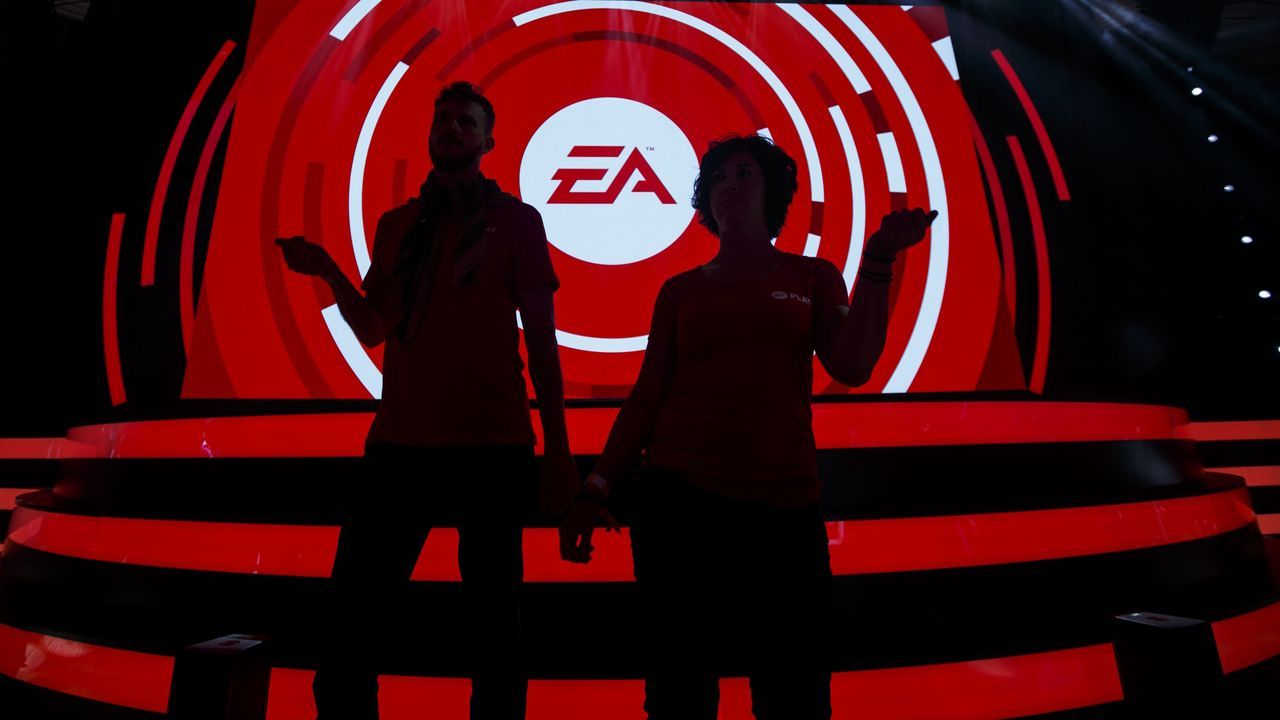
A monumental $55 billion deal has officially shifted the ownership of Electronic Arts to Saudi Arabia, marking one of the largest leveraged buyouts in private equity history. But beneath the headlines of financial maneuvering and corporate acquisitions, a more complex story is unfolding—one centered on the anxieties of the employees who make the company tick.
While the deal finalized earlier this month signaled a massive shift in corporate control, the real ripples are being felt inside the company’s walls. Reports emerging from Game Developer suggest that employees are facing growing concerns over potential changes to creative freedom and content development. There is a palpable fear that the pursuit of a new ownership structure could lead to much more stringent oversight regarding the types of games the company is allowed to create.
This tension is not entirely new. Since the announcement, current and former Electronic Arts staff have voiced worries about a potential crackdown on games deemed diverse or inclusive, with titles like The Sims being frequently cited as examples of content that might face scrutiny. Some industry insiders predict that while some traditional genres might remain untouched, more progressive or politically sensitive themes could be effectively sidelined.
The corporate reassurance that EA plans to maintain its cultural values proves to be a hollow promise for many. Despite these assurances, employee doubts persist about the genuine commitment to protecting creative autonomy under Saudi ownership. One employee noted that the acquisition felt less like a strategic move and more like a distraction from EA’s existing, well-documented human rights record.
This phenomenon is a classic case of sportswashing—using cultural or sports influence to improve an image. The motivation behind the massive purchase is rooted in geopolitics, as the new ownership is guided by Crown Prince Mohammed bin Salman, who has previously stated his willingness to use global platforms to achieve national goals. This dynamic raises serious questions about the moral alignment of the new regime and the global corporate entities it acquires.
For employees, this external context amplifies internal fears. One staff member expressed a deeply unsettling feeling that being owned by a regime widely criticized for its human rights record—including the murder of journalist Jamal Khashoggi—adds insult to injury. There is a sense that any moral objections to the ownership are often forced to take a backseat to immediate survival concerns.
The practical realities of this situation are stark. The massive debt taken on to finance the buyout suggests that massive cuts and project cancellations are looming. Employees are grappling with the knowledge that the instability and financial demands of the new ownership may lead to inevitable layoffs and the suppression of projects that do not meet lucrative financial targets.
While those who own vested shares benefit from the premium buyout offer, many employees—particularly those classified as temporary full-time staff—face the grim reality of job insecurity. The environment has shifted from one where executives felt genuinely invested in their well-being to one where corporate actions seem driven purely by financial necessity, leaving many feeling that the once-cherished corporate culture has been replaced by tired corporate bullshit.
Buy on Amazon
Credit
