
Eli Roth on Borderlands: ‘You got something that belonged to nobody’
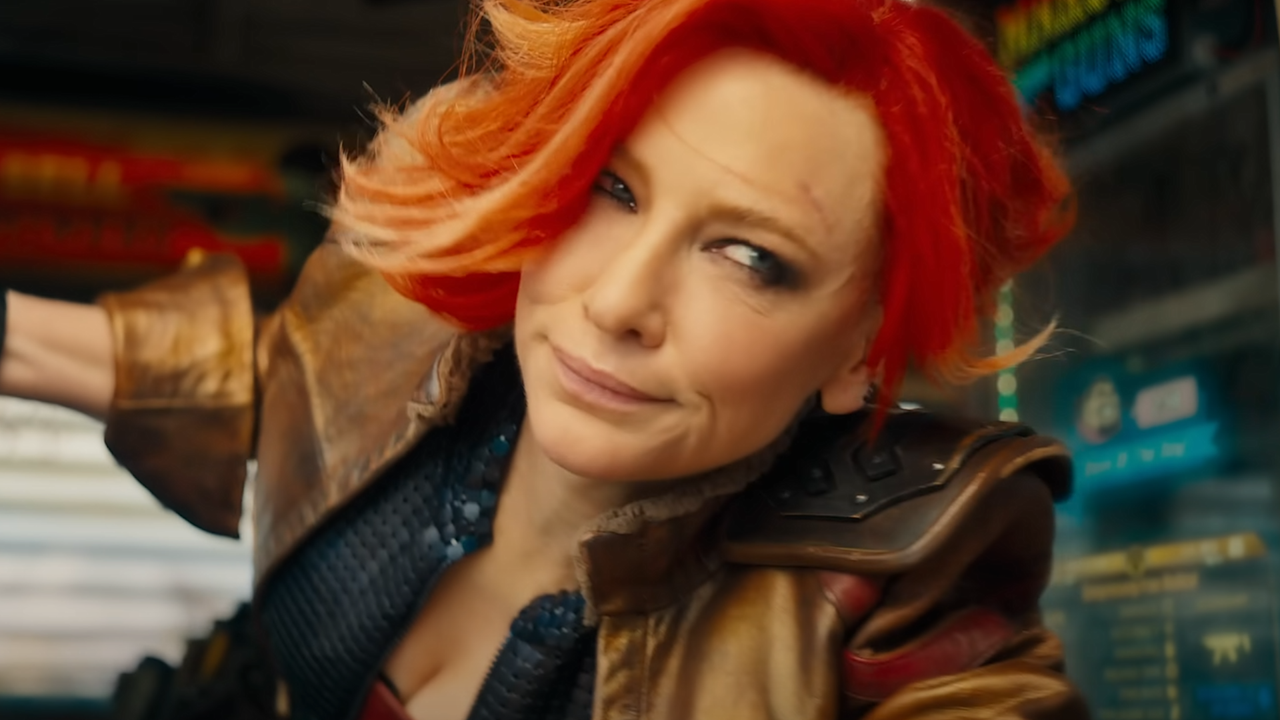
The cinematic journey of the Borderlands franchise proved to be less a triumph and more a cautionary tale about the perils of blockbuster filmmaking. Despite an enormous budget and high expectations, the resulting film struggled to find an audience, leaving many fans feeling that a truly great story was somehow lost in translation.
Even the creator of the property, director Eli Roth, admitted that the movie landed flat. Speaking with entertainment outlets, Roth offered a candid view into why this adaptation ultimately fell short of potential. The reality is that when studios invest massive sums—in this case, $120 million—they naturally become more risk-averse. This tendency often forces creative choices away from what is truly unique or left-of-center.
For a property like Borderlands, which thrives on ultraviolent, irreverent chaos, the mandate was to cast the widest net possible. However, this massive scope immediately clashed with the film’s identity. Executives pushed for changes, demanding a family-friendly PG-13 rating, a creative choice that felt dissonant given the franchise’s nature and Roth’s established reputation.
The film aimed to appeal to everyone, which meant sacrificing its core intensity. The result was a frustrating middle ground—a movie that felt neither entirely for gamers nor entirely for general audiences. As one observer put it, it ended up being something that belonged to nobody.
This tension between artistic vision and commercial demands created an unsatisfying product. Critics echoed this sentiment, with major outlets rating the film poorly. Even publications known for covering action and gaming expressed disappointment, labeling the adaptation as bland and tasteless mush lacking the necessary punch.
It is a shame, because the source material itself delivers gripping narratives. The Borderlands games, particularly titles like Borderlands 2 and Telltale’s spin-off series, are widely praised for their storytelling depth and compelling yarns. This contrast highlights a broader industry issue: an adaptation can fail spectacularly when it prioritizes safe commercial choices over artistic authenticity.
Buy on Amazon
Credit

