GameStop CEO says disc strategy is totally irrelevant
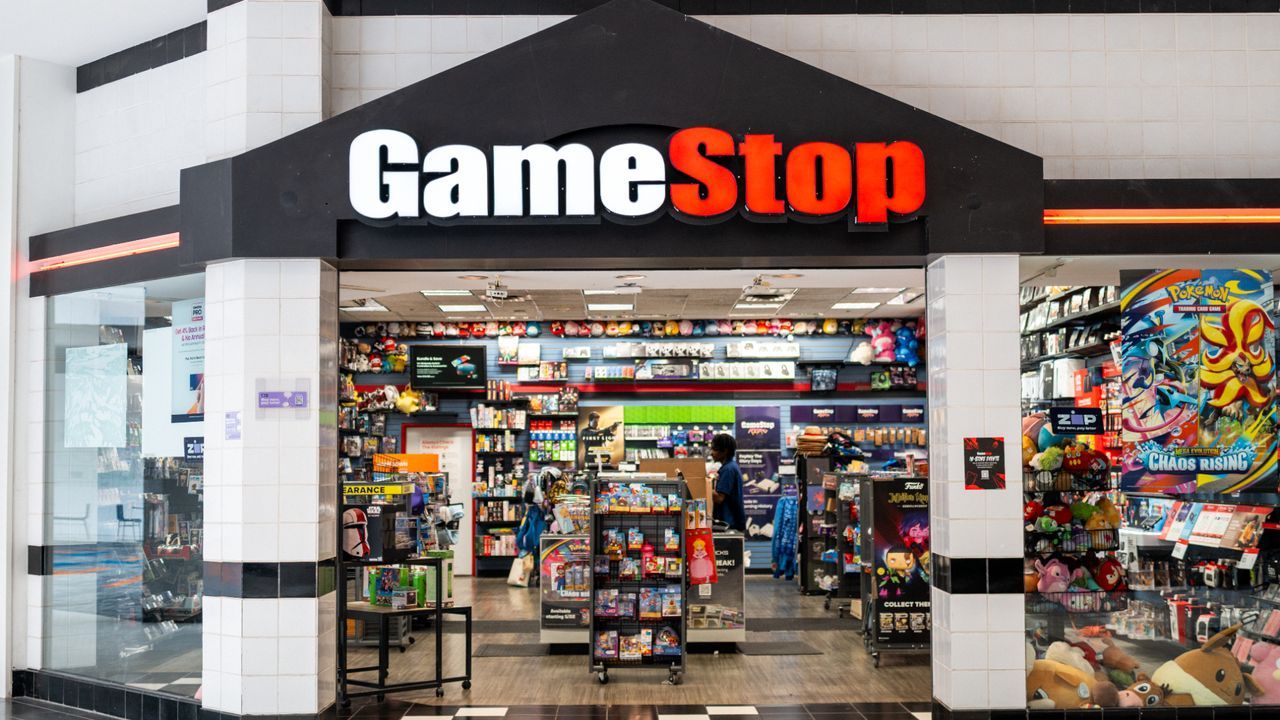
In the high-stakes world of retail and digital transition, some players seem determined to focus on the long game, while others remain anchored in current realities. This dynamic is perfectly illustrated by GameStop’s CEO, Ryan Cohen, who recently dismissed industry shifts concerning physical media production as entirely irrelevant to the company’s core business.
Cohen made this observation during a discussion about how hardware manufacturers are moving toward disc-less gaming. When pressed on how future software launches fit into GameStop’s business plan amidst these changes, his response suggested that the focus should remain squarely on what matters now: collectables and existing software revenue.
The narrative of GameStop’s financial health provides a deeper look at this strategic positioning. While the industry grapples with the shift away from physical discs, GameStop’s fiscal performance reveals a portfolio that thrives outside traditional console hardware sales. In fiscal year 2025, the company reported total net sales of $3.63 billion.
The breakdown of these revenues shows a clear divergence in focus. Hardware and accessories still constituted the largest segment at $1.84 billion, representing over half of total sales, though this category saw a decline of 12.3% compared to the previous year. In contrast, collectibles—encompassing trading cards, toys, apparel, and authentication services—drew significant attention, generating $1.06 billion and accounting for 29.2% of net sales, reflecting remarkable year-on-year growth of 47.7%.
Software revenue, which includes physical discs and digital codes, accounted for $729.3 million, or 20.1% of total sales. This category experienced a notable contraction, with revenue dropping by 27.5% year-over-year.
These figures highlight that GameStop’s success is increasingly tethered to the pop culture and collectible market rather than solely the physical media landscape of video games. As the industry pivots toward digital distribution, these alternative revenue streams demonstrate resilience, proving that value can be found in the artifacts and community surrounding gaming.
This focus on diverse revenue streams occurred alongside GameStop’s more high-profile corporate maneuvers, including its controversial bid to acquire eBay. Cohen has indicated his intent to pursue this acquisition, demonstrating a willingness to seek opportunities beyond the immediate confines of the video game console market, continuing to pursue complex strategies in the fiercely competitive retail space.
Buy on Amazon
Credit