Encrypted Quake shareware: Cracked ID Software games after 39 days
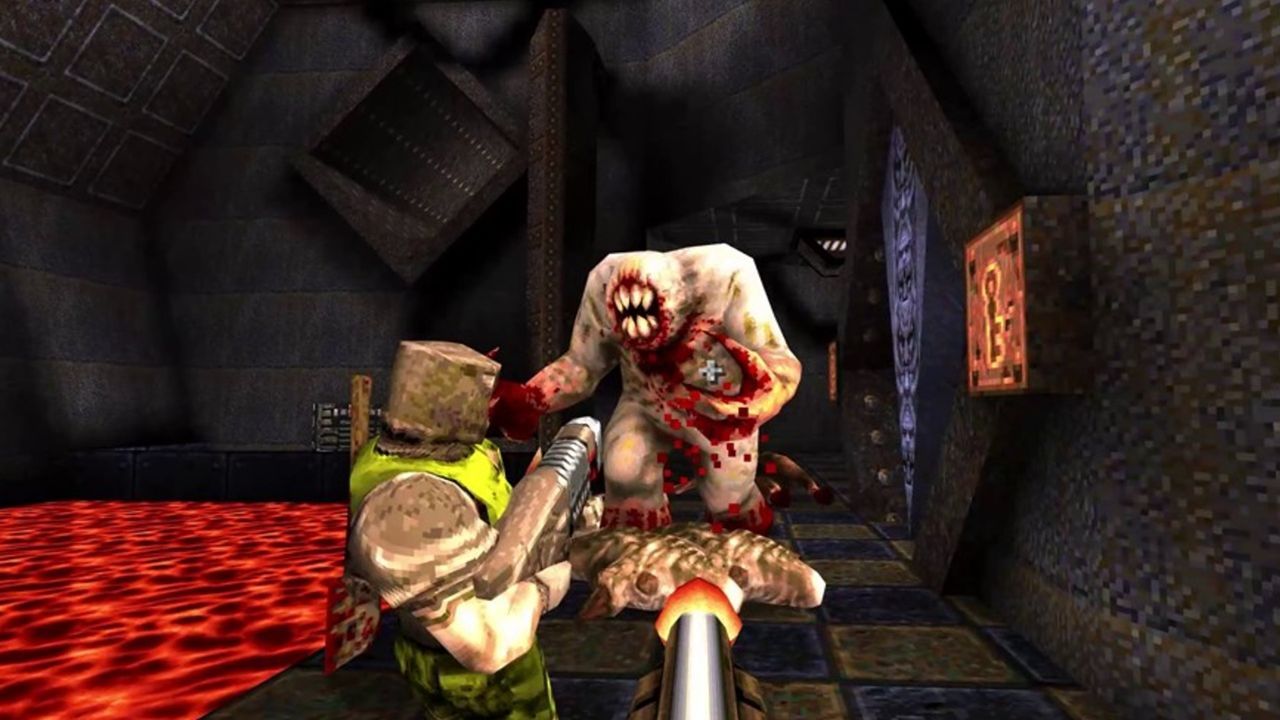
Remember the golden age of CD-ROMs? Before digital distribution became the seamless reality we know today, installing games meant inserting a spinning disc. This era, fueled by shareware, presented a fascinating, if flawed, experiment in digital distribution that left id Software and the gaming world grappling with some truly wild consequences.
The story begins with the release of the Quake shareware CD-ROM. Rather than simply containing the game itself, id Software filled the extra space with locked versions of their entire game catalog. The original idea was genius: allow users to access the full range of id Software titles by calling a hotline, paying, and receiving an unlock code. It was a clever way to maximize the use of the physical medium.
But in the nascent days of the internet, this seemingly brilliant structure contained a fatal vulnerability. Just thirty-nine days after the release, the inevitable happened: pirates emerged. They saw not just a product, but an opportunity to bypass the entire payment and distribution system.
The hackers quickly developed tools, such as Qcrack.exe, which allowed users to generate decryption codes. The system, designed to rely on phone calls and agents for serial numbers, had a serious oversight. The unlock program was capable of generating valid serial numbers internally, meaning a cracked program could generate the necessary codes and trick the system into granting access to the entire id Software back catalogue for free.
The fallout was massive. While legitimate customers were navigating payment and fulfillment, unauthorized users were accessing vast amounts of intellectual property without paying. This created a situation where the pirated experience was technically superior to the legitimate one.
Adding fuel to the fire, keen hackers dug into the file structure of the shareware release and discovered a glaring technical error. There was a simple typo in the filename for a critical file, which inadvertently created a loophole. This flaw allowed illegitimate users to access games, like Final Doom, in a way that bypassed the intended security measures.
This discovery highlighted the chaos. id Software was left with a warehouse full of CDs, and the entire distribution system spun completely out of control. It was a dramatic lesson that even the most clever technical designs can be undone by a single misplaced character, leading to a bitter realization that some secrets are simply too hard to keep locked away.
Buy on Amazon
Credit