Entropy RPG: Post-apocalyptic design inspired by Fallout and Warhammer
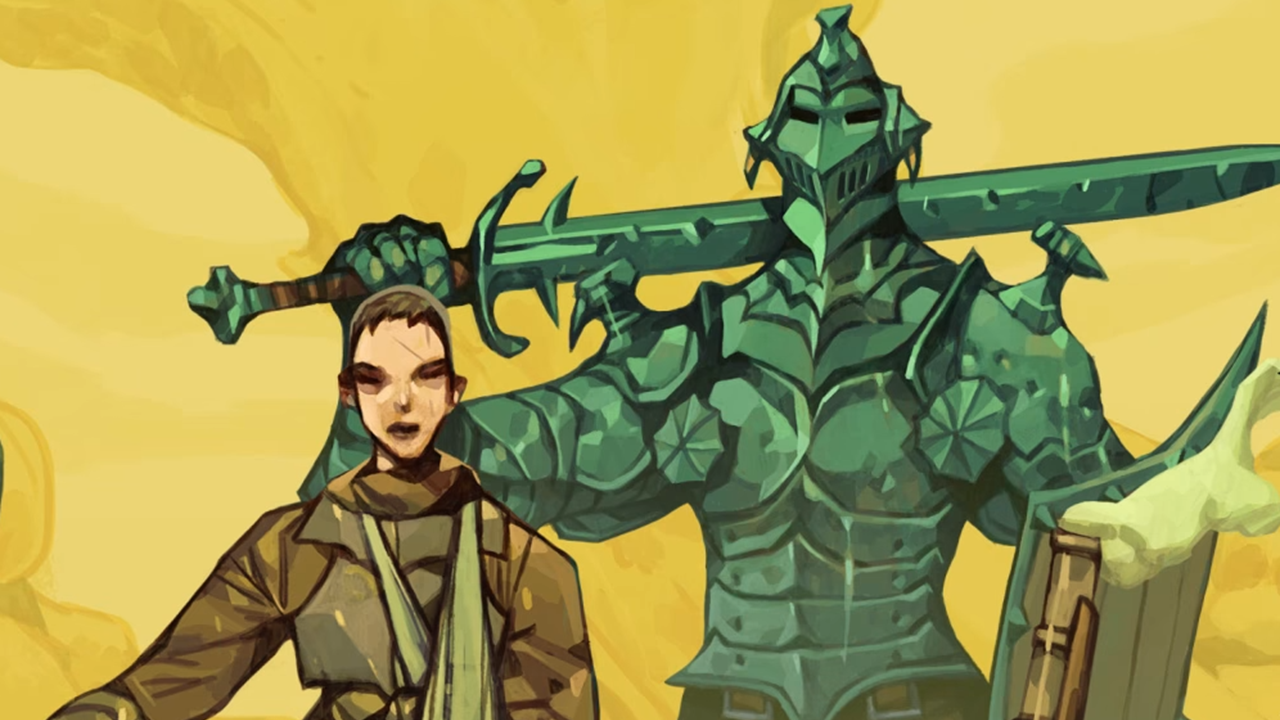
When you think of an RPG, you often conjure images of sprawling fantasy epics or meticulous, story-heavy JRPGs. But what happens when developers decide to blend those worlds into something entirely new? Enter Entropy, an early access title that is proving to be a wonderfully distinct beast, carving out its own unique space between genre lines.
Entropy manages to pull inspiration from a variety of sources. It’s steeped in the lore and atmosphere of classic post-apocalyptic games like Fallout, yet it carries the tactical party management and narrative depth reminiscent of beloved JRPGs like Final Fantasy 10. This fusion isn’t accidental; it’s a deliberate design choice that gives the game a feel far more rooted in PC gaming than in traditional console fare.
The mechanics of Entropy are where the real fun begins. Players dive into tactical battles featuring large party sizes, the high stakes of permadeath, and a unique locational damage system. This system isn’t just flavor; it’s deeply inspired by classic mechanics. For instance, players can deliberately penalize an enemy’s accuracy to target a specific limb or zone, allowing them to inflict greater damage or apply debilitating debuffs. Imagine disarming a foe with a powerful weapon or shredding the vulnerable weakpoints of a mutated enemy—that’s the kind of tactical mayhem the game allows.
This focus on visceral, tactical interaction feeds into Entropy’s gritty post-apocalyptic flavor. The world feels desolate and immediate, offering that stark, in-your-face atmosphere characteristic of games like Fallout, subtly laced with just enough remaining remnants of a pre-collapse world to give the desolate landscapes a melancholic touch.
The design philosophy behind Entropy is equally fascinating. Lead developer James Wragg explained that much of the game’s DNA comes from looking back at the roots of tabletop role-playing games. He noted that the freedom found in tabletop systems, where players create their own rules and customize their characters without being bound by complex, restrictive graphics, is highly inspiring. This approach extends to the art style itself: Entropy’s intentionally low-fidelity graphics allow the team the freedom to introduce a vast array of unique weapons and statuses without requiring an overwhelming amount of labor-intensive asset creation.
Wragg revealed that his journey into game development began with tabletop history, realizing that the core systems driving modern AAA RPGs originated in games like Dungeons & Dragons and various war games. This desire to understand how games fundamentally “tick” is what drives the team to explore the origins of RPG systems.
Further fueling this inspiration is the influence of games like Mordheim, a tabletop spinoff that emphasizes customizable, small-unit tactics. This focus on customization and custom rules taught the developers a valuable lesson: the essence of a great RPG lies in the systems and the narrative, not just the polish.
Ultimately, Entropy stands as a testament to the idea that gaming can draw deeply from diverse sources. By blending high-concept storytelling with systems rooted in classic gameplay mechanics, the game delivers a uniquely engaging experience, proving that sometimes, the most impactful creations are born from understanding where games started.
Entropy is available now in early access on Steam, and a substantial free demo is available to explore the world.
Buy on Amazon
Credit