EPA removes public input on pollution permits for data centers
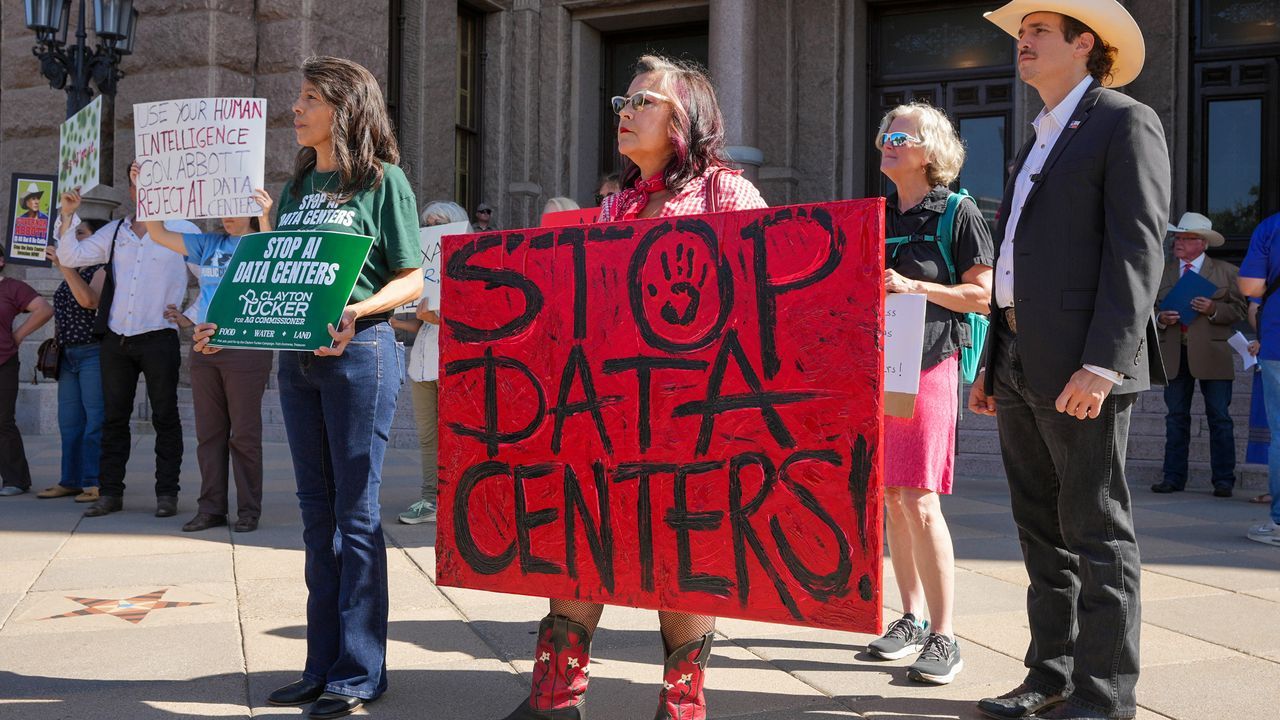
A significant shift is underway at the federal level regarding environmental transparency, as the Environmental Protection Agency (EPA) is proposing changes that could streamline the approval process for air pollution permits. This move aims to remove the requirement that states must seek public feedback on applications for permits related to “minor sources” of air pollution, a decision that immediately draws attention to the rapidly expanding landscape of AI data centers.
While the EPA maintains that these minor sources do not require federal oversight, the proposal creates a major gap when a federal agency reduces its enforcement and asks states to handle the public consultation process. The central concern now revolves around the immense environmental and health footprint of data center construction and the lack of public accountability surrounding these massive infrastructure projects.
This push for regulatory streamlining takes on particular urgency when considering the scale of AI infrastructure. The rapid expansion of data centers, driven by the demand for artificial intelligence, is generating growing public outrage and bipartisan pushback against big tech expansion plans.
The environmental impact is not abstract; it has tangible, devastating costs. For instance, analyses of large data centers show massive health consequences. The Harvard School of Public Health estimated that a single facility, the Vantage data center in Loudoun County, Virginia, contributed between $53 million and $99 million in annual health damages—the largest estimate for any single facility ever recorded.
This dynamic highlights the critical importance of public involvement in regulatory decisions. Research has shown that public discussion directly shapes outcomes, as demonstrated in cases where environmental assessments influenced decisions regarding fossil fuel plant expansions. When public comment periods are removed, the democratic safeguards designed to ensure accountability are sidelined in the name of administrative expediency.
This tension is reflected in recent real-world examples where community input was bypassed. In Gilroy, California, a massive Amazon data center began construction without many residents being informed, as the public comment window had already expired. Similarly, residents in small Missouri towns have taken legal action against city councils, arguing that they were denied adequate time to review proposals for multi-billion dollar data center approvals.
The attorneys general from fourteen states and three cities have responded to the EPA’s proposal with an open letter, strongly opposing the change. They argue that even “minor” sources of pollution can pose significant health and environmental risks, and that removing the requirement for publicization undermines fundamental democratic safeguards.
The proposal ultimately shifts the burden of regulation onto the states, allowing them to impose stricter environmental standards than the federal minimum. While this grants states flexibility, the core debate remains: whether regulatory efficiency should come at the expense of local transparency and environmental justice for the communities hosting this new digital infrastructure.
Buy on Amazon
Credit