Epic Games Store recovery questioned analyst
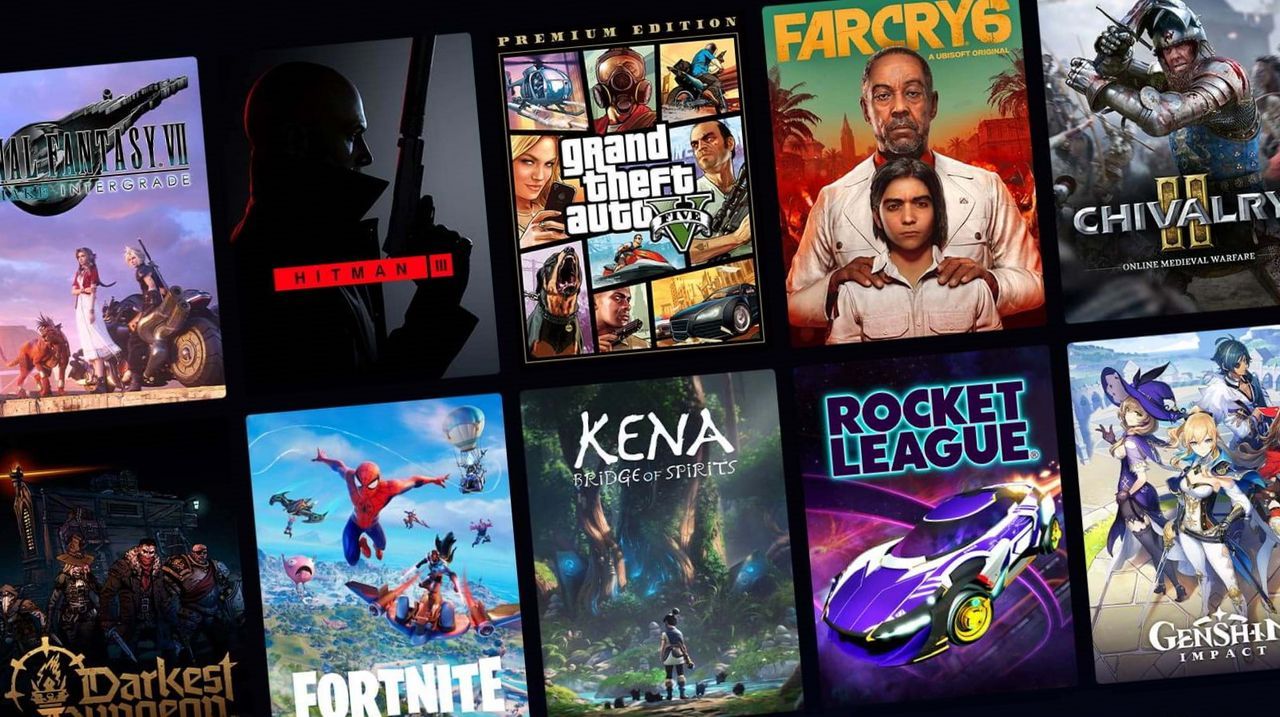
In February, Epic Games announced plans for a significant overhaul of its launcher, signaling a deep dive into improving the user experience. This technical initiative aimed to make the Epic launcher significantly faster and more efficient, promising a startup speed boost of up to five times faster on average. Beyond the technical tweaks, the plan involved transforming the storefront itself, introducing features like personalized game recommendations, quick-access categories, and integrated patch notes directly on the shop page.
Was this a necessary recovery, or simply a reminder of the impossible odds? Industry analysts weigh in on the potential impact. Emmanuel Rosier, director of market intelligence at Newzoo, offered a measured perspective, suggesting that while the technical upgrades were commendable, overcoming the current market landscape remains a colossal challenge.
Rosier pointed out that the central hurdle for Epic isn’t just technical performance; it’s market inertia. He noted that Steam has become practically inevitable, and the value proposition of Epic—giving away free games—doesn’t always translate into actual playtime. The free game model, while generous, sometimes functions more as marketing, successfully driving traffic and sales to competitors, as evidenced by how free giveaways can boost sales on Steam.
The core dilemma for Epic, Rosier suggested, is the attempt to win every battle simultaneously. The company is fighting against established giants like Steam, Apple, and Google Play, which creates a situation where they risk spreading their focus too thin.
However, the outlook for Epic as a game developer appears more promising than its standing as a storefront. Rosier believes the focus should shift toward what truly matters: game creation. He observed that Epic has been making positive strides in this area, particularly with Fortnite.
Fortnite has undergone a notable evolution, moving beyond its original scope by incorporating a trend of blending other popular game elements. Rather than solely relying on its own intellectual property, the platform is now embracing external cultural touchpoints, featuring cosmetics inspired by games like Sonic the Hedgehog, Pac-Man, and Crash Bandicoot, alongside characters from franchises like Persona 5.
This willingness to incorporate external game culture demonstrates a vital trend: Epic is not afraid to engage with the broader gaming world. This openness fuels exciting developments, such as the introduction of collectible “sprites” that offer players new goals beyond simple competition, suggesting a focus on community engagement and collection rather than just victory.
Ultimately, while the storefront recovery faces steep uphill battles against entrenched competition, Epic’s strength seems to lie in its development focus. By concentrating on innovative content and embracing platform trends like the Fortnite trend, Epic is positioning itself not just as a retailer, but as a dynamic force in the evolving landscape of interactive entertainment.
Buy on Amazon
Credit