ESO cash shop hit by Xbox layoffs
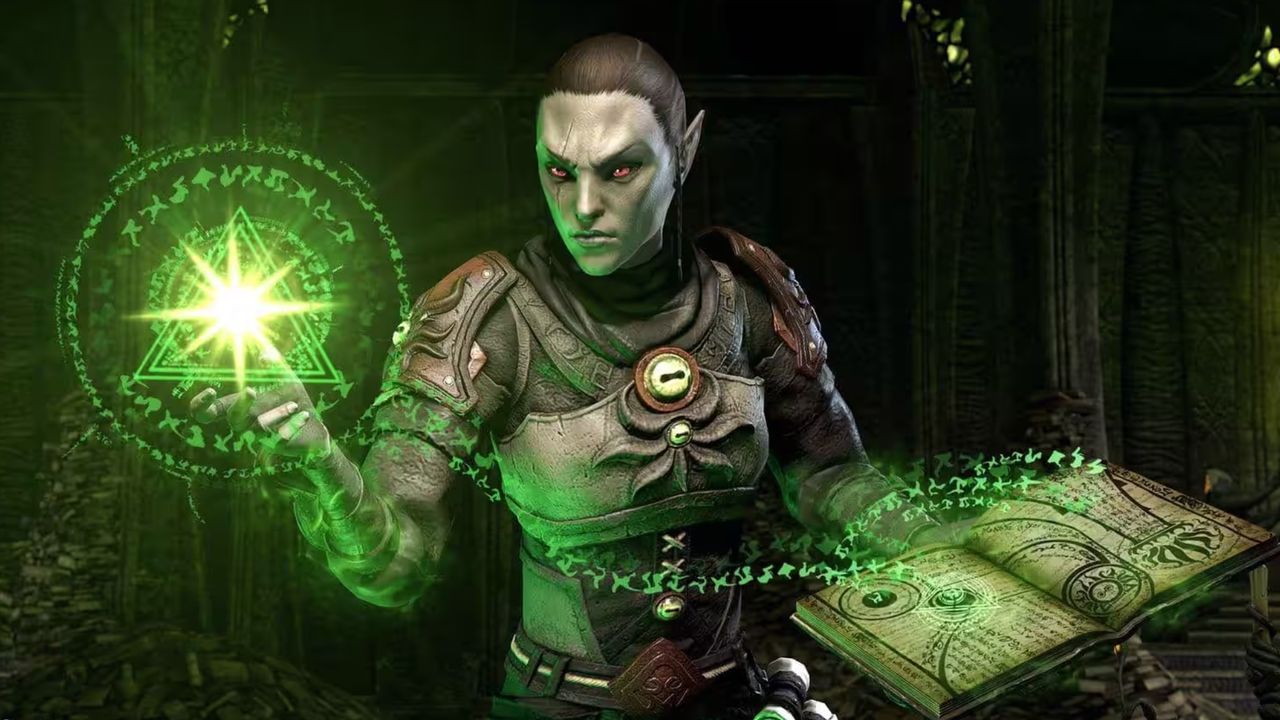
The world of massive online role-playing games is currently navigating some choppy waters, particularly for those who love diving deep into the world of The Elder Scrolls Online. The developer, ZeniMax, recently faced significant restructuring, with 379 staff members departing in a move that many felt was an unfair blow, especially given the recent actions taken by its parent company, Microsoft.
This wasn’t an isolated incident. These large-scale layoffs mark the second time ZeniMax has undergone such substantial cuts in just two years. While corporate restructuring often feels abstract to players, it translates directly into shifts in development bandwidth and community engagement. The irony is palpable: while the studio has shed staff, the core team is still tasked with carving out a path for the game.
The heart of the matter lies in the irony of the situation. Despite the recent downsizing, the developers are striving to maintain momentum. They are now working to manage reduced capabilities while continuing to push out seasonal content, keeping the community engaged even as internal resources shrink.
This pressure to manage workload has already led to tangible changes for players who interact with the game’s economy and community features. Community manager Kevin Gbolie recently announced adjustments designed to streamline operations and better manage team bandwidth.
For example, access to the Crown Store has seen modifications. The web version of the Crown Store has been removed from the official website. While players can still acquire crowns, they must now log into the game itself to view and purchase the latest offerings. Similarly, the monthly Crown Store Showcase blog is being adjusted to be more list-like, reflecting a necessary pivot away from high-production content toward more manageable updates.
These changes highlight the daily reality of development under duress: prioritizing essential functionality over elaborate presentation. Furthermore, community efforts that relied on high-resolution assets—such as building out the Unofficial Elder Scrolls Pages wiki with screenshots—are necessarily being scaled back. As Gbolie noted, the team simply does not have the capacity to provide the volume of content they once did, forcing a focus on what can be achieved with the remaining resources.
It is a sobering reminder that even beloved games are subject to the larger economic forces at play within the gaming industry. For fans of The Elder Scrolls Online, watching this evolution—from a sprawling MMO project into a leaner operation—is a complex experience, balancing disappointment over corporate decisions with admiration for the persistence of the community and the developers trying to keep the world spinning.
Buy on Amazon
Credit