Fable’s limitless 15-20 hour epic
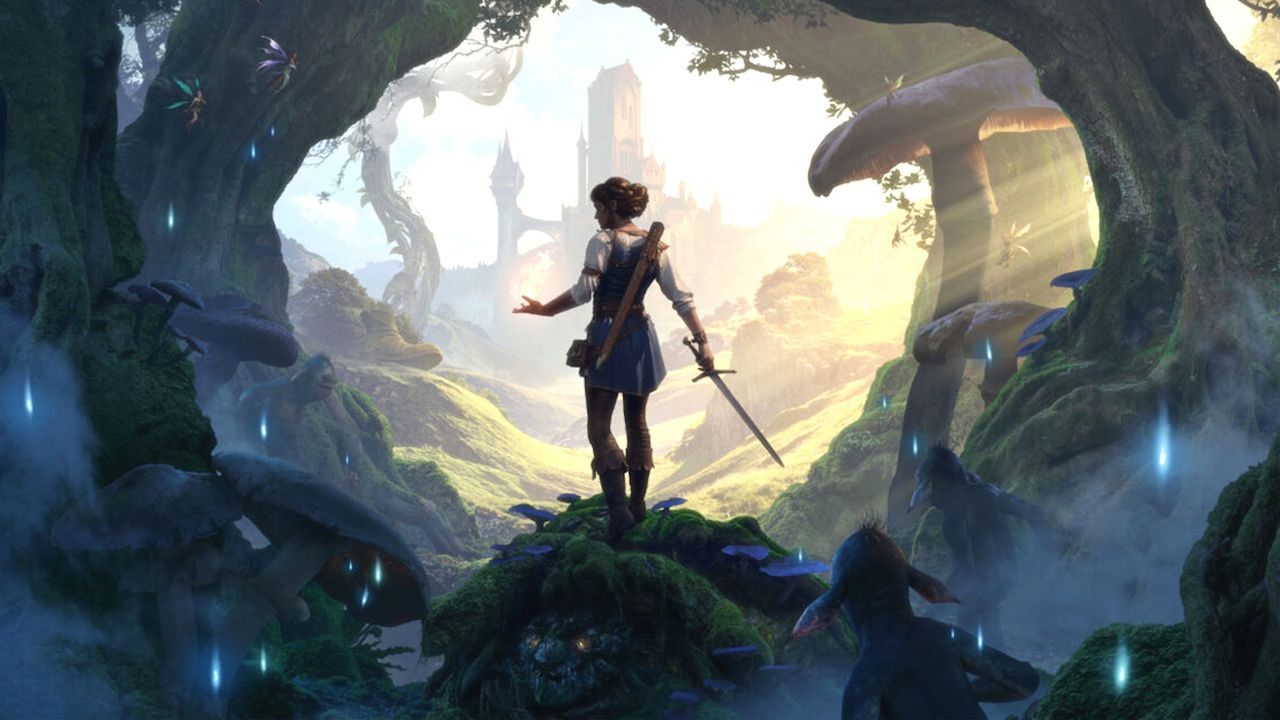
The Infinite Playground: How <Fable> Plans to Redefine RPG Scope and Time
When discussing the future of Role-Playing Games, the conversation inevitably turns to scope. With massive, sprawling titles like <Elden Ring> and <Baldur’s Gate 3> setting new benchmarks, players naturally wonder how much playtime they should expect from a new epic. For the long-awaited return of <Fable>, the question isn’t just about size, but about freedom. Will it stick to traditional RPG boundaries, or will it embrace the boundless possibilities of modern life simulation?
Game director Will Kennedy has offered a traditional baseline, outlining that the core experience of <Fable> will offer roughly 40 hours of focused activities within the world. This includes about 15 to 20 hours dedicated to the mainline quest, alongside another 15 to 20 hours dedicated to open-world exploration and side content. This measurement sets the foundation for the traditional RPG experience.
However, the real fascination lies in the mechanics that can expand that scope infinitely. <Fable> is not just a narrative adventure; it is a living world governed by dynamic life systems. These systems allow players to interact deeply with Non-Player Characters, commit real-world actions—from engaging in crime to buying property—and managing a dynamic social existence.
This depth fundamentally shifts the playtime equation. While the core quest offers a defined journey, the life systems themselves are limitless. Game directors have suggested that because these simulation elements are not constrained by linear objectives, players could theoretically engage with the world indefinitely, suggesting a possibility to “play it forever” if that’s what they desire.
This notion of infinite play places <Fable> in a fascinating comparison to modern simulation games. If the life simulation elements push the boundaries of interaction and consequence in a way similar to titles like <The Sims>, the potential for unbounded engagement becomes incredibly appealing. It suggests that the true measure of a game’s success might not be its total runtime, but the depth of the freedom it grants the player.
Meanwhile, the development team is navigating the landscape of future gaming. <Fable> is slated for release in 2027, a timeline chosen to ensure a smooth development process free from the shadow of impending behemoths like <Grand Theft Auto 6>. Furthermore, the game is taking a significant artistic step by replacing the older morality system with a more nuanced reputation framework tied directly to individual character choices.
This new approach allows for a more organic, character-specific narrative. If you’re feeling the rules of the old system, don’t worry—players can still achieve their goals. The implication is clear: with enough resources, players can effectively bypass complex moral constraints, mirroring the flexibility of real-world life. <Fable> seems poised to offer a richly detailed world where player agency dictates the story, offering not just a grand adventure, but an endless, customizable life to inhabit.
Buy on Amazon
Credit