Fake chips and memory scarcity reshape device manufacturing
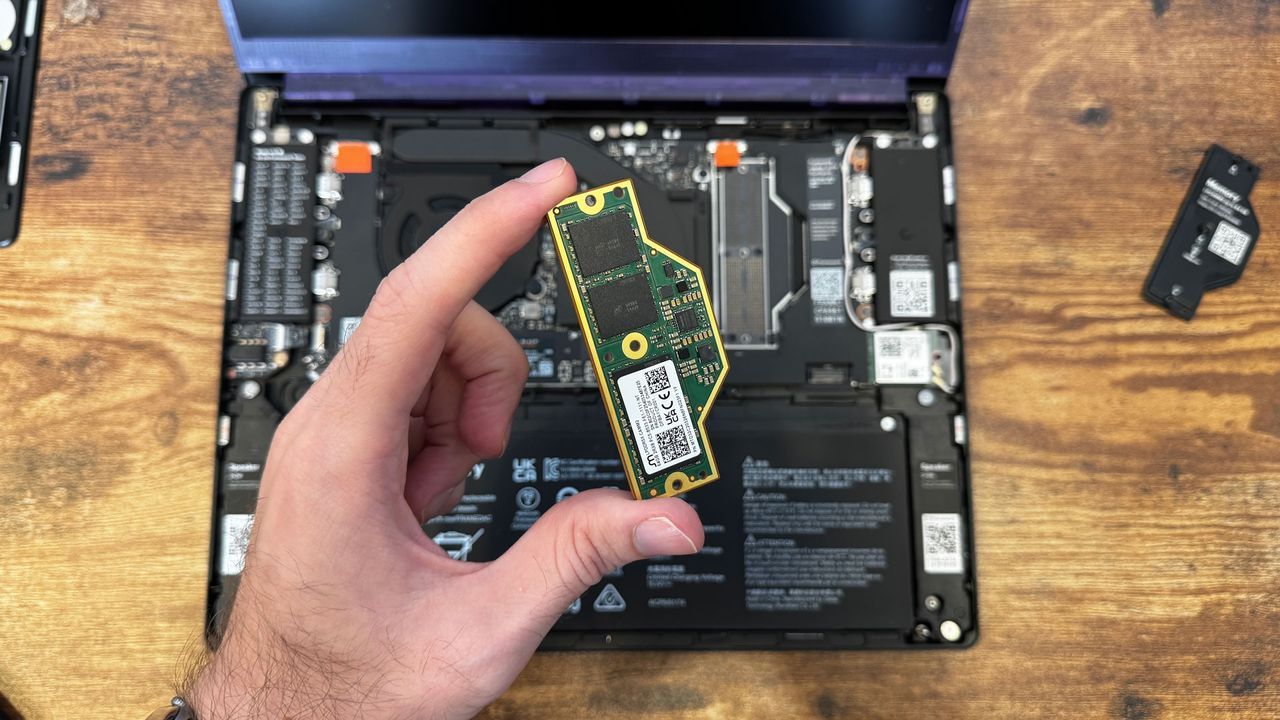
The world of technology is currently grappling with a severe crunch, not just of price, but of supply. As global demand for advanced memory chips skyrockets, smaller smartphone and laptop manufacturers are finding themselves at the epicenter of a massive supply chain bottleneck, forcing them to invent entirely new ways of doing business.
The situation is particularly acute because memory is no longer just a component; it is the foundation of modern devices. For companies focused on sustainability and modular design, this dependency is magnified. For instance, Fairphone, a leader in repairable phones, has discovered that memory makes up nearly 60% of the bill of materials for their devices. This staggering proportion highlights how tightly coupled device production is to the volatile memory market.
Meanwhile, the larger industry faces grim forecasts. Analysts predict that the memory crunch will persist until at least 2030, with some industry leaders predicting that 2027 will be the worst year for the shortage. This scarcity directly impacts the wider market, as reports suggest that the memory crisis, combined with geopolitical shocks, is contributing to a significant decline in global smartphone shipments.
To navigate this treacherous landscape, manufacturers are embracing creative, often unconventional, strategies. Some are digging deep into the supply chain, placing massive orders months in advance, even without knowing the final pricing, simply to secure their future supply.
Innovation is also driving product design. Companies like Jolla, a Finnish phone maker, have engineered flexible solutions, developing multiple motherboard versions that allow them to seamlessly switch between combined packages for discrete chips depending on real-time availability.
Further illustrating this ingenuity is the modular approach taken by other hardware giants. Framework, for example, has leveraged its modular design to utilize memory salvaged from older laptops or source second-hand units, offering customers and the company itself an alternative route around the acute supply constraints.
Even when facing price hikes, companies are finding ways to adapt. Framework recently managed to secure limited quantities of necessary RAM at a lower cost, even while navigating market volatility, demonstrating that operational flexibility is now as crucial as chip supply.
The challenge is clear: while the memory crunch continues to define the industry, it is also fueling a revolution in design and logistics. Smaller manufacturers are not just waiting for supply; they are actively engineering resilience into the very bones of the devices they create, ensuring that the future of computing remains within reach.
Credit
