FBI targets 153M driver’s licenses leaked on Russian forum
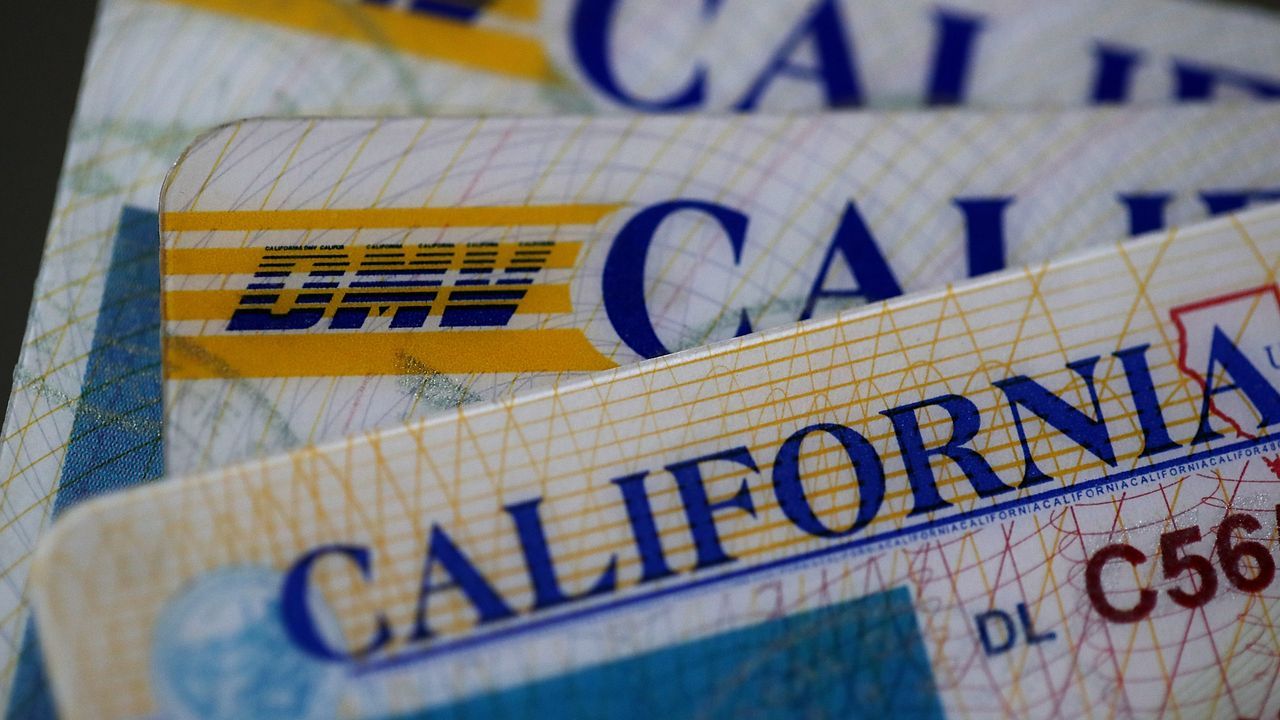
The digital shadows of the dark web are often filled with illicit trade, but recently, a massive and unsettling leak of identity documents has brought the scale of the threat into sharp focus. Reports indicate that a service, once known as Nexus, briefly offered access to an astonishing trove of identity documents, including driver’s licenses and various other official IDs, for purchase.
The scope of the alleged leak is staggering. Sources suggest that the service claimed possession of up to 153 million US and Canadian driver’s licenses, along with millions of other sensitive documents like ID cards, travel documents, and medical cards. This deluge of data allegedly originated from an ID-authentication service based in Louisiana, highlighting how easily highly sensitive personal information can be compromised and trafficked online.
The exposure did not remain a secret. Cybersecurity journalist Brian Krebs uncovered the service while investigating cybercrime forums, where the operator had posted a sample of a driver’s license. What caught his attention was not just the sheer volume of documents, but the access to highly sensitive data. Krebs reportedly glimpsed information pertaining to high-ranking government officials, sparking immediate concerns about the security of public records.
Further investigation revealed a sophisticated link between the leaked documents and real-world activity. By cross-referencing the leaked information, investigators found that the data seemed legitimate. A pattern emerged when data was matched with the activity of several individuals, suggesting the documents were sourced from a legitimate, albeit compromised, authentication system. This linkage pointed toward an identity verification service, dubbed IDScan, which was implicated in the leak.
The connections further complicated the investigation. Researchers found that the timestamps on the scanned documents aligned perfectly with the times these individuals used other services, confirming that the source of the data was rooted in the documented activities of the victims. This connection pointed to a potential exploitation within the system used for identity verification.
The implications of such a breach extend far beyond simple data theft. Driver’s licenses are foundational documents, often used to open credit lines and access financial services. The presence of photographic, UV, and IR scans on leaked documents raises serious concerns about the potential for identity theft and fraud. Vulnerable populations, including those fleeing domestic violence or those under witness protection programs, are particularly susceptible to this type of exposure.
This event serves as a stark reminder of the ongoing battle for digital privacy. It fuels the debate over online age verification and the necessity for robust security measures. Privacy advocates are increasingly pushing for stricter controls to prevent the misuse of personal data, arguing that unchecked access to sensitive identifiers poses a significant threat to individual security and civil liberties.
In response to these breaches, authorities are moving to act. The Federal Bureau of Investigation has launched an official inquiry into the leak, with its New Orleans field office opening a formal investigation into the security breach. Meanwhile, the implicated company is under scrutiny, actively working to address the massive fallout from this security failure.
Credit