File Explorer gets a modern UI update in Windows 11
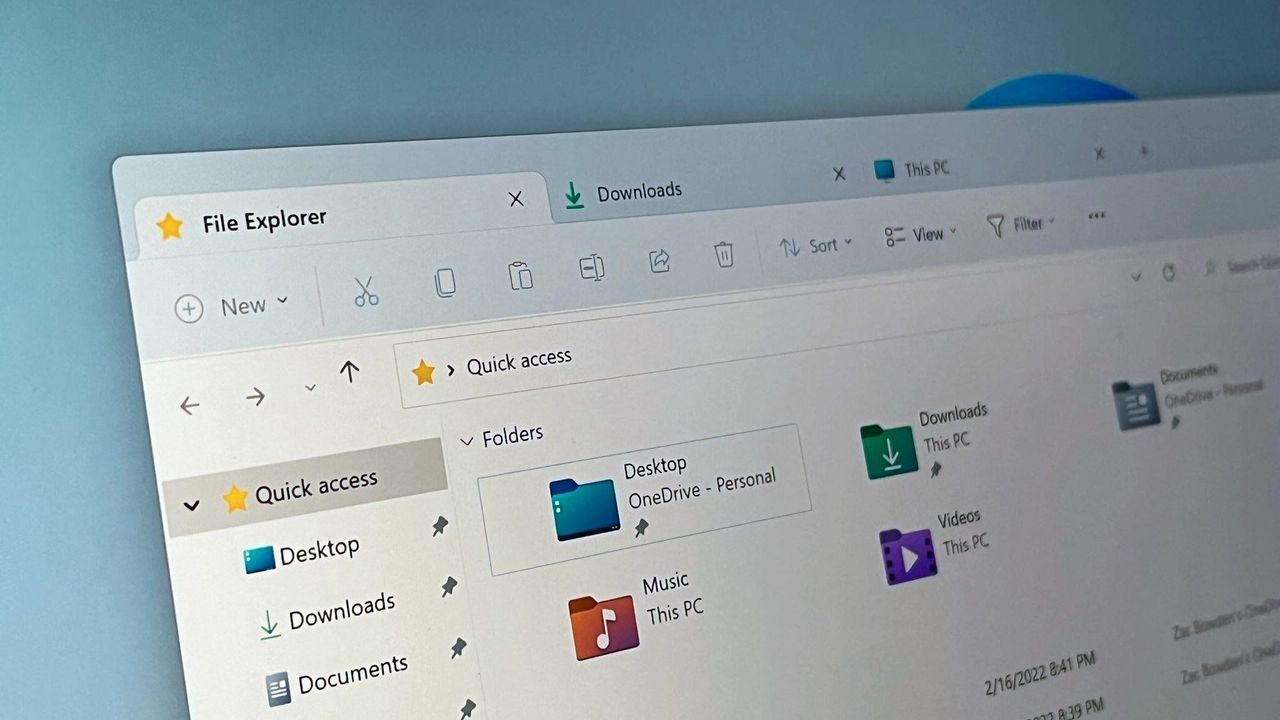
For years, users have navigated the Windows environment while experiencing a fascinating, yet frustrating, visual dichotomy: a mix of decades-old interface design sitting side-by-side with sleek, modern elements. Microsoft has been slowly attempting to bridge this gap by introducing modern UI features across the operating system, but the File Explorer experience remains notably fragmented.
While parts of the application—such as the Home page, top navigation, and details pane—have already embraced WinUI 3, the core structure of File Explorer has largely remained untouched. This coexistence of old and new design elements leaves many users feeling like they are juggling two different operating systems within one window.
However, the slow evolution is finally yielding concrete proof that Microsoft is planning a comprehensive overhaul. Evidence of this shift recently emerged in Windows 11 preview builds with the discovery of a hidden, modernized File Properties window that appears when accessing properties in the Recycle Bin.
This subtle sign is more than just an isolated update; it aligns perfectly with Microsoft’s larger commitment to bringing WinUI across the Windows Shell. Earlier this year, the company confirmed plans to extend this modern design philosophy to key areas like the Start menu and in-box applications, aiming for greater performance and design consistency.
For many users, interface fragmentation is a major source of criticism. In File Explorer, inconsistent popups and features make the experience clunky. Moving these components to WinUI promises a unified look and feel, crucially allowing for consistent support for features like dark mode that are currently inconsistently applied across the operating system.
Microsoft isn’t just focused on aesthetics; they are also addressing performance concerns. The company has confirmed plans to enhance the performance of the WinUI framework itself, leveraging its ongoing Windows K2 effort. This focus suggests confidence that migrating more elements of the Shell over to WinUI will not only improve the visual experience but also result in a noticeably faster overall system.
While the specifics of the full File Properties modernization are yet to be officially announced, the appearance of these early signs indicates that the wait for a cohesive and modernized File Explorer is likely drawing to a close. The direction points toward a seamless, unified Windows experience where design consistency meets high performance.
Buy on Amazon
Credit