Fired Rockstar workers fight to save GTA 6
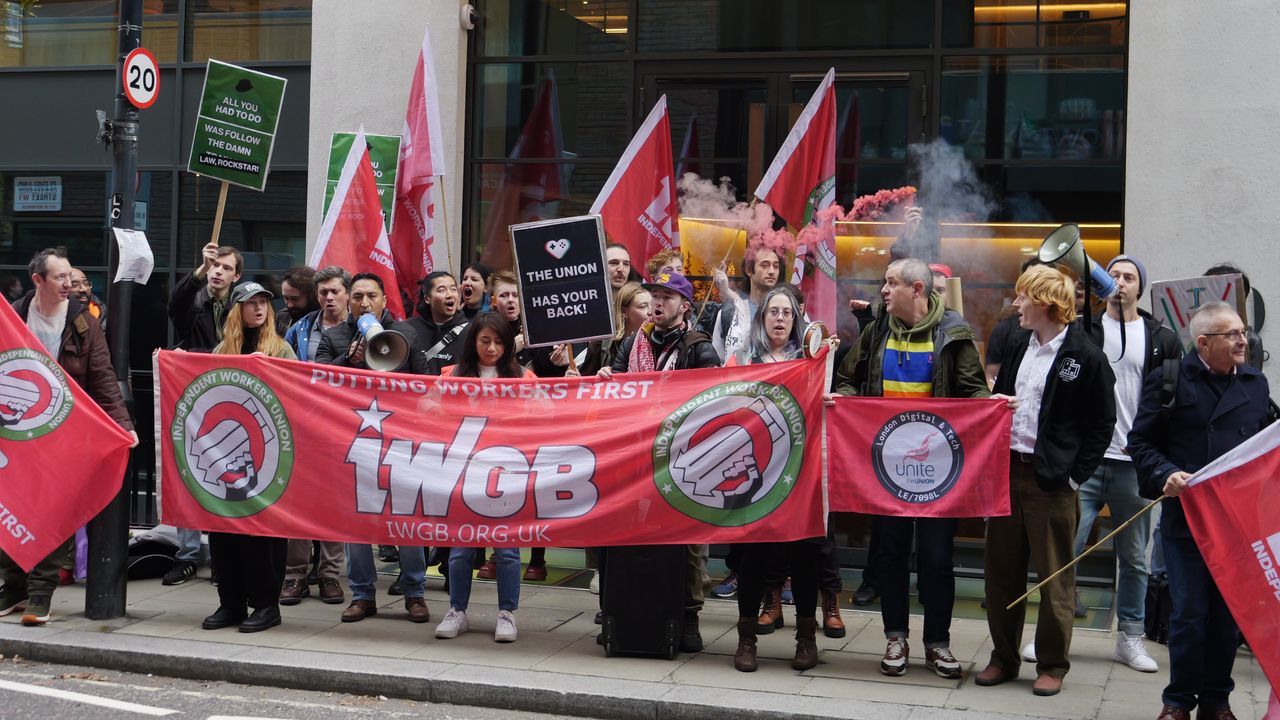
The High Cost of Ambition: Inside the Rockstar Labor Dispute
As the world eagerly awaits the launch of GTA 6, the spotlight is not just on the sprawling new world or the cutting-edge graphics; it is also on the dramatic legal and labor disputes that underpin the creation of these massive games. Behind the glitz of game development, a significant battle is unfolding in the United Kingdom, pitting unionized workers against the studio that created some of the world’s most iconic entertainment.
Rockstar has recently been embroiled in a high-profile legal dispute following the dismissal of over 30 unionized employees in the UK. For the workers, this action was perceived not as a simple personnel decision, but as a deeply concerning display of union-busting behaviour.
The fight for fairness centered on allegations that Rockstar deliberately sought to blacklist its union members. The Independent Workers Union of Great Britain (IWGB) challenged the studio’s actions, arguing that compiling a list of union members violated the Employment Relations Act, which prohibits treating individuals less favourably based on their trade union activities.
To ensure these serious allegations were heard, the IWGB successfully secured permission to bring their case to trial, setting the stage for a legal reckoning in September. In the interim, the union adopted a public appeal aimed at the gaming community, asking fans excited for the new title not to participate in a boycott on behalf of the fired employees, but rather to demand justice for those who contributed to the work.
The fired employees highlighted the harsh reality of their dismissal, describing the process as shockingly cutthroat. They recounted being called into meetings and losing their jobs, income, and creative work on GTA without representation or evidence, facing immediate accusations of gross misconduct.
Rockstar offered its side of the story, asserting that the departures were related to the distribution and discussion of confidential information regarding upcoming and unannounced titles in a public forum. The union countered this, framing the accusations as an attempt to mischaracterize workers discussing working conditions in a private forum as simple leaking information.
The fallout extended beyond the studio walls, drawing political attention. Prime Minister Keir Starmer commented on the dismissal as a deeply concerning case, underscoring the broader implications of corporate practices within the creative industries.
Ultimately, this dispute serves as a reminder that the pursuit of creative genius must coexist with the fundamental rights and fair treatment of the people who make that genius possible. The story of the Rockstar dispute is less about a game and more about the ongoing tension between corporate ambition and worker rights in the digital age.
Credit