Flying to PAX West to find the GeForce Evangelist beats buying the RTX 5090
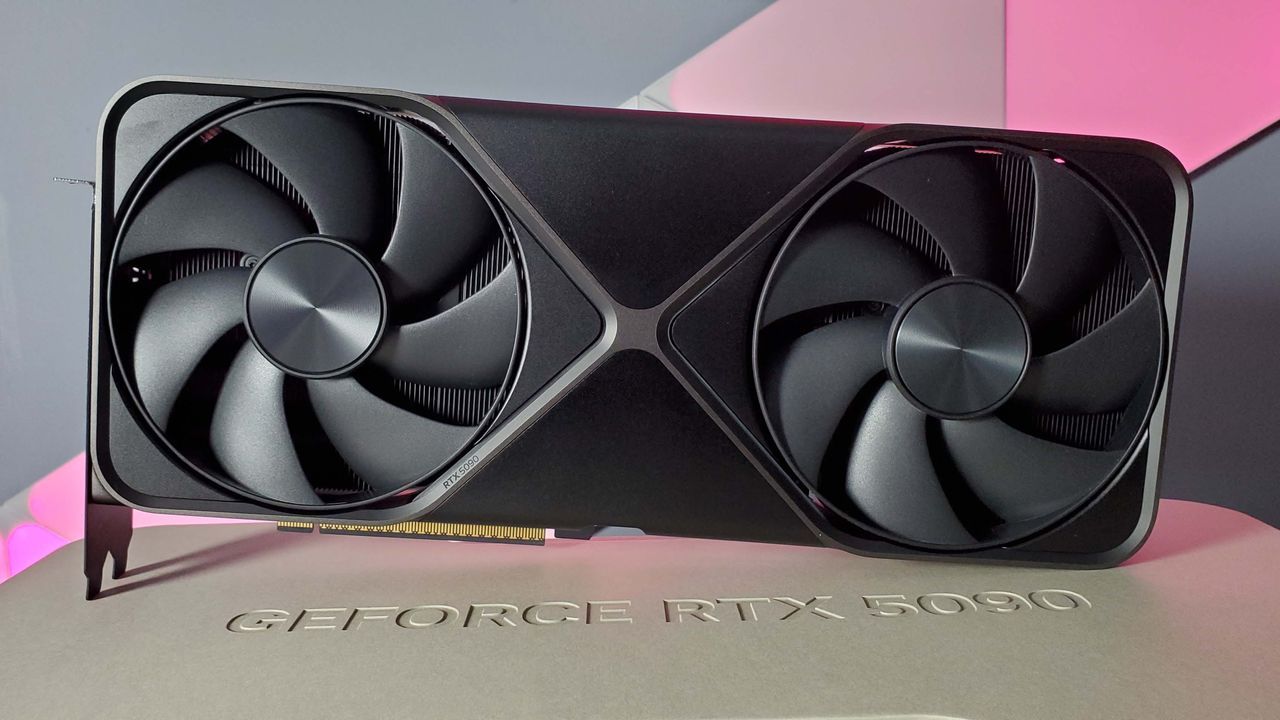
The world of high-end graphics cards is often defined by anticipation, hype, and the relentless pursuit of the next big thing. But sometimes, the most compelling moves aren’t about waiting; they are about finding a way to skip the line entirely. That’s what Nvidia attempted at recent gaming events, turning a trip across the Atlantic into a high-stakes scavenger hunt for the next generation of GPUs.
Nvidia’s self-described GeForce Evangelist, Jacob Freeman, put this idea into action by offering gamers a chance to snag the RTX 5090, 5080, or 5070 Founders Editions at their Manufacturer’s Suggested Retail Price (MSRP). This scheme, dubbed Verified Priority Access (VPA), operates like a draw system, giving participants the opportunity to pay full price for these highly sought-after cards.
For some, this meant making a pilgrimage. One gamer calculated the travel costs—a flight from the UK to Seattle, plus event passes—and the price of the card itself. The math, in this case, was staggering. By paying for the trip and the card, one could potentially acquire the RTX 5090 for around <$1,999>.
This price point stood in stark contrast to the current retail prices, which had seen cards like the RTX 5090 price tag balloon to as high as <$5,500> at major retailers. It highlighted a frustrating gap between manufacturer intent and market reality, especially when considering the current hardware supply landscape.
The absurdity of the situation becomes clear when examining the broader corporate focus. Nvidia’s current financial engine is not primarily powered by gaming hardware, but by its dominance in artificial intelligence. The company is reportedly focusing massive resources on AI infrastructure, evidenced by ambitious moves such as the intent to acquire Hugging Face for $13 billion and substantial investments in memory supply chains like Vera Rubin.
This shift suggests that the gaming segment, while still significant, is secondary to the explosive demand for AI-related hardware. When a company’s profits are overwhelmingly driven by AI demand, the pricing of consumer gaming products often becomes a secondary concern.
While the chase for hardware deals at events like PAX West might be a fleeting, witty stunt, the underlying reality remains that Nvidia is navigating a vastly different business environment. The future of their hardware and financial strategy is clearly being drawn much more heavily by the demands of artificial intelligence than by the fluctuating market for graphics cards.
Buy on Amazon
Credit
