FM26 with DLSS 5: Neural computer people
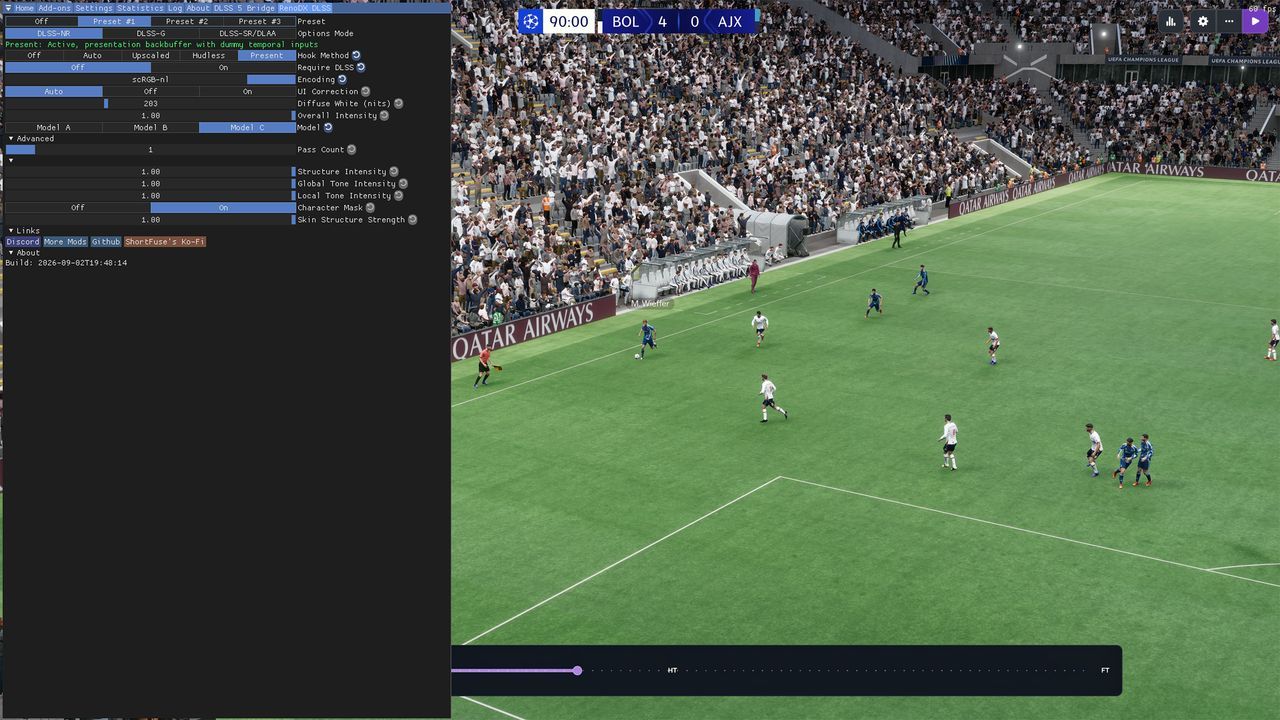
The world of PC gaming is currently buzzing with a chaotic experiment: modders are taking unreleased features and shoving them into games they were never meant to touch. This push, driven by the impending release of DLSS 5, has unleashed a wild new frontier for visual experimentation, blurring the lines between developer intent and artificial intelligence.
Since the appearance of tools like the Control mod, enthusiasts have been busy jamming the new DLSS 5 .dll files into various titles. The results are, as always, a mixed bag. While some games embrace the technology seamlessly, others twist the visuals into something decidedly unsettling—like characters encased in writhing, artificial worms.
This experimentation highlights a fundamental tension: can AI truly enhance visuals without destroying the original artistic vision? When looking at the official demonstration, the technology shows incredible potential. Experts noted that DLSS 5 can produce truly outstanding visual effects, provided it is used sparingly. By adjusting the intensity down to around 60 to 70 percent, users can achieve visuals that look better than the originals without the over-saturated, AI-heavy look of pushing the settings to maximum intensity.
However, this visual magic comes with a hefty performance toll. Nvidia has been explicit about the cost: DLSS 5 introduces a massive 50 to 60 percent drop in frame rate, regardless of the game. While this is expected when leveraging AI image enhancement, it means that even with the added visual fidelity, gamers must accept lower frame rates.
When running the technology on high-end hardware, such as an RTX 5090, the performance hit is stark. For example, pushing DLSS 5 in a game that was already demanding, like Ray Tracing, can see frame rates plummet, underscoring that this is a substantial resource hog.
The true genius of this modding trend lies in its ability to apply these features across games that don’t natively support them. Tools like RenoDX and ShortFuse allow users to squeeze DLSS 5 into practically any title. The process, while often awkward, is surprisingly accessible, demonstrating how gamers are reclaiming control over the graphics pipeline.
Consider the impact on simulation games. In titles like Football Manager 26, DLSS 5 doesn’t necessarily deliver photorealism, but it does introduce subtle improvements. It enhances environmental lighting, adds minor detail to the pitch and crowd, and subtly improves the rendering of player profiles, reducing the appearance of simplistic, plastic-looking faces generated by the game’s engine.
This is a significant gain for simulation fans who often rely on mods just to get better player faces. With DLSS 5, users are gaining a layer of facial detail and realism without needing to resort to complex, often repetitive, external mods. It’s a small, clever victory for those who appreciate detail without demanding full photorealism.
The debate now centers on control. While these community tools grant users flexibility, they operate outside the official framework. This has sparked a discussion about artistic integrity—does AI filtering truly respect the original vision of the developers? The community is pushing back, insisting that the final artistic choices should remain firmly in the hands of the player, rather than being dictated by automated algorithms.
Ultimately, the experiment with DLSS 5 and modding is more than just a technical exercise; it’s a philosophical one. It shows a generation of gamers determined to take the reins of their graphics, forcing the industry to contend with the balance between cutting-edge AI and the irreplaceable human element of artistic design.
Buy on Amazon
Credit