Framework cancels custom laptop keyboard module due to cost issues
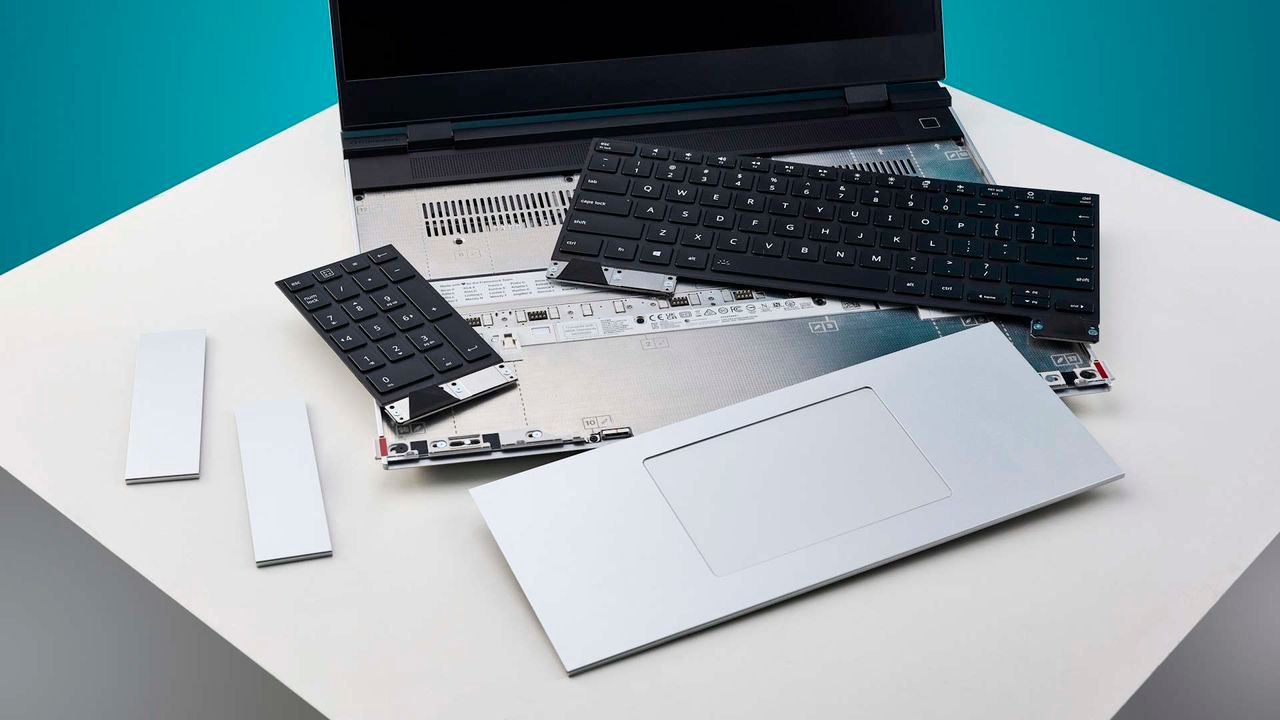
The dream of customizing your machine has become increasingly accessible, but turning that ambition into physical reality often bumps up against the harsh realities of manufacturing and economics. This tension is particularly evident in the world of modular computing, where the goal is to let enthusiasts dictate the hardware they use. Framework, a company known for its commitment to modularity, recently took on an ambitious project to push the boundaries of gaming-on-the-go through custom input modules.
This effort led to the launch of the One Key Module Developer Program, which kicked off in late 2025. The initial vision was straightforward: to develop ultra-low-profile keyboards and input modules specifically for the Framework Laptop 16, allowing users to tailor their experience precisely.
After three years of dedicated prototyping and gathering crucial developer feedback, however, the project encountered significant roadblocks. While the idea of custom hardware sounds appealing, the journey from prototype to sellable product proved much more complicated. Framework ultimately decided that the module could not be brought to market as planned.
The challenges were rooted in two main areas: economics and engineering. Framework noted that bringing the hardware to a commercially viable level was hindered by material and assembly costs. The per-key costs simply resulted in pricing that was too high to enable high-volume sales, making it impossible to achieve a reasonable breakeven point.
Beyond cost, the physical complexity of the modules presented another hurdle. Even expert DIYers and electronics tinkerers collaborating with the company struggled with the physical handling of the components. Some parts of the One Key Module were found to be too fragile for easy assembly, a significant drawback in any hardware design focused on user-friendly DIY projects.
Despite the project’s halt, Framework chose to prioritize community sharing. They decided to give away the prototype development modules to the community, ensuring that the innovative designs were not lost. Furthermore, the company opened up its intellectual property by making the open source documentation and firmware for its input module systems available on GitHub. This allows anyone interested in tinkering and exploring the technology to jump right in.
The transparency surrounding this development story speaks volumes about Framework’s approach. They demonstrated a willingness to be candid with consumers, even making significant decisions, such as retroactively reducing prices for components like LPCAMM2 to swim against broader market trends. It shows that while the road to creating perfect modular hardware is full of friction, the true innovation often lies in the open exchange of knowledge.
Buy on Amazon
Credit