Framework fights the RAMpocalypse by cutting prices
In a landscape increasingly defined by hardware scarcity and astronomical prices, where the cost of essential components seems to spiral out of control, some companies are finding ways to turn market turmoil into a win. While the memory supply crisis continues to dominate the hardware news cycle, the modular laptop purveyor Framework is actively working to ease the financial burden on its community by adjusting pricing on key components.
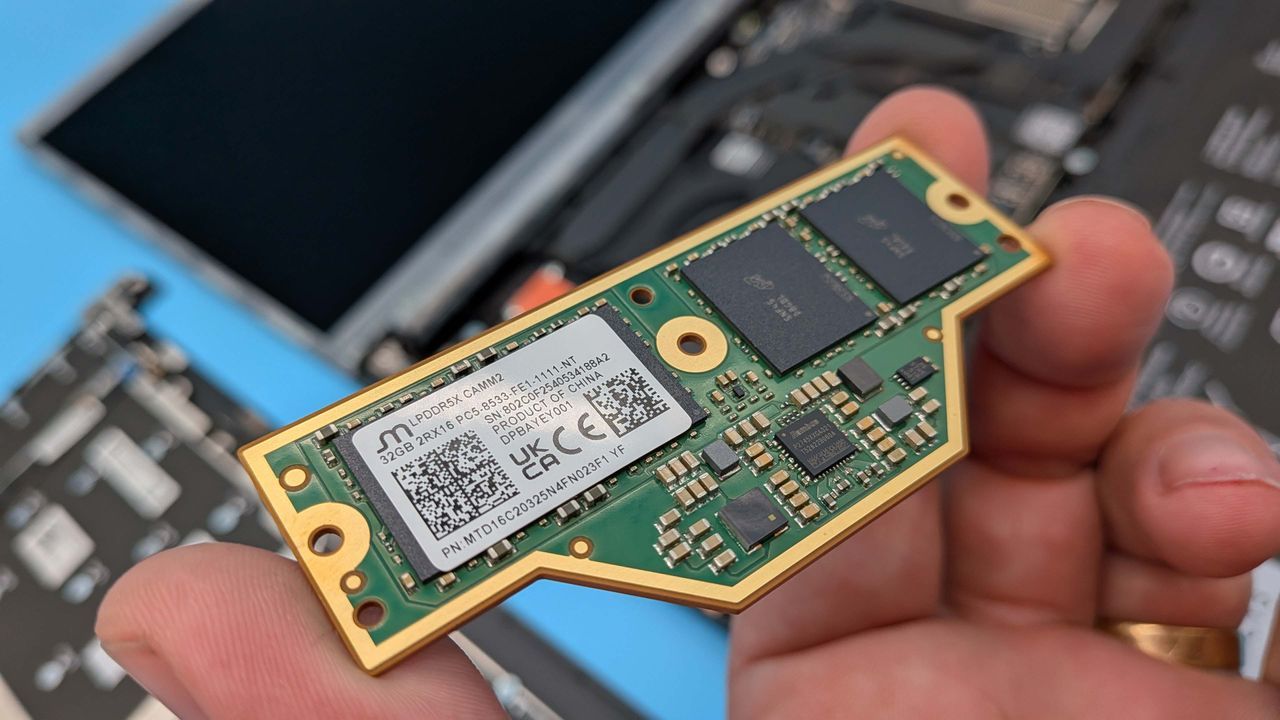
The good news is that Framework has managed to secure a limited quantity of high-demand memory modules, including Micron 32 GB and 64 GB LPCAMM2 modules, at a significantly lower cost than previously anticipated. This strategic sourcing move allows the company to directly mitigate the escalating costs faced by consumers.
Rather than letting the cost pressures dictate pricing, Framework is rolling out retroactive price reductions. Orders that had already shipped at higher prices are now being adjusted, ensuring that customers who received these components benefit immediately from the reduced cost.
Furthermore, the company is extending this generosity to pending orders. They are offering the lower prices to orders through the new Batch 10, ensuring that future buyers also gain access to these savings. This approach demonstrates a commitment to keeping their computers as accessible as possible, even amid volatile market conditions.
This price adjustment is particularly noteworthy given the backdrop of previous concerns. Back in July, Framework had previously noted that its suppliers’ memory prices had more than doubled compared to previous shipments, highlighting the severity of the supply chain pressures they face.
By stepping in to pass on these cost reductions, Framework is essentially ensuring that the savings generated by their successful sourcing are not kept internally, but are instead shared with the end-user. It’s a move that mirrors the spirit of community support, reminiscent of situations where organizations refund costs incurred due to external economic pressures.
For existing owners of Framework devices, the opportunity is clear. Those who received the LPCAMM2 modules can reach out to the company to switch to the reduced-price 32 GB or 64 GB modules. This ensures that upgrades or system modifications can be made economically, reinforcing the idea that hardware access should remain democratic.
In a market where everything feels expensive, Framework’s decision to leverage a favorable supply chain position to offer tangible relief proves that innovation isn’t just about hardware; it’s about how businesses respond to challenges. They are not just selling laptops; they are building a system designed to withstand economic headwinds, one cost-conscious transaction at a time.
Buy on Amazon
Credit