Framework Laptop 13 Pro stunning design review
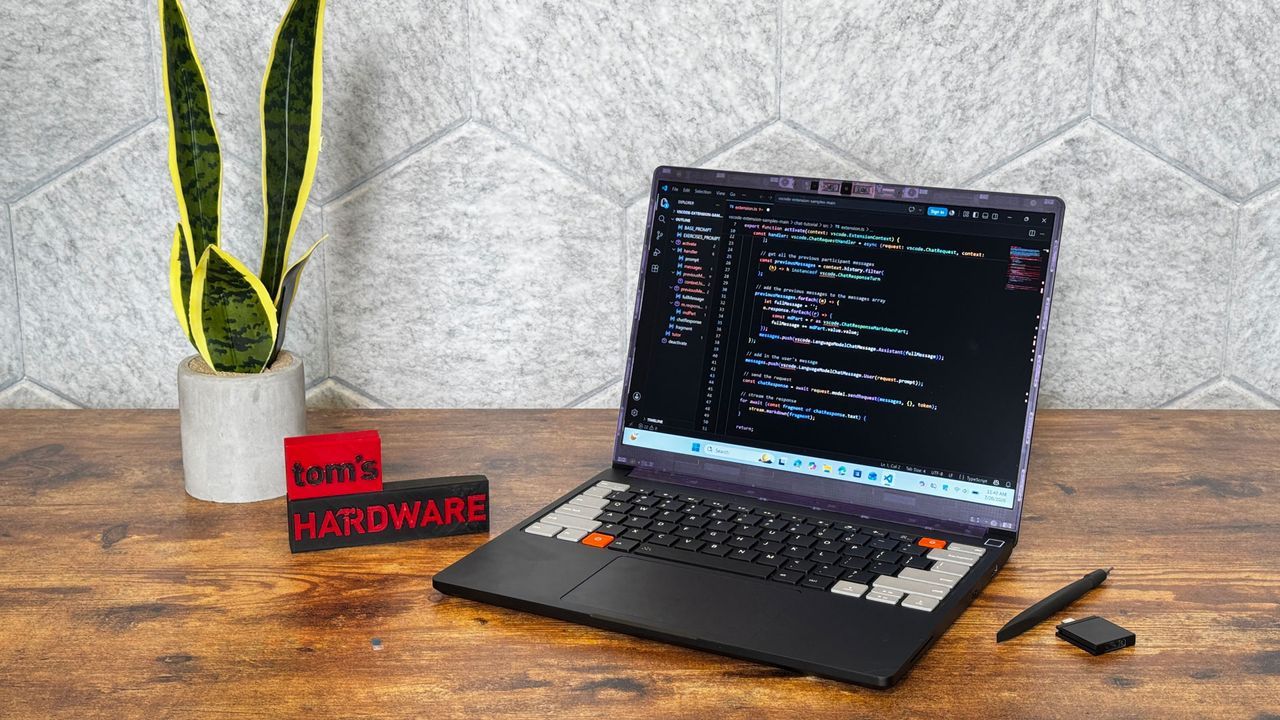
For too long, the world of high-performance laptops has presented a choice: sacrifice durability for sleek design, or opt for modularity at the cost of premium build quality. Enter Framework, a company that dares to challenge this dichotomy by fusing extreme repairability with genuinely premium aesthetics. Their latest offering, the Framework Laptop 13 Pro, is more than just a laptop; it’s a bold statement about what a modern computing device should be.
This new model seeks to shake up the industry image. By integrating a CNC-machined aluminum chassis, a haptic touchpad, and a high-resolution touchscreen, Framework has injected elements previously reserved for luxury devices into their repair-friendly philosophy. The result is a machine that feels far more premium than its predecessors.
The design evolution is noticeable. Moving away from the standard silver, the 13 Pro features a sophisticated blacked-out scheme that immediately elevates its presence. Crucially, the CNC aluminum construction offers significantly better resistance to flex compared to older models, making you feel more confident packing it away in your backpack.
However, as with any design choice, there are fine details. While the main chassis feels solid and refined, the bezels still betray a slight compromise, remaining somewhat plasticky despite the high-quality materials surrounding them. Yet, the keyboard deck itself feels much more cohesive and substantial, lending an air of monolithic quality to the entire system.
Delving into the mechanics of this machine reveals Framework’s enduring commitment to modifiability. The laptop is designed to be upgraded, with options to use your own SSD and memory modules. While the process of assembling these components—like handling specialized memory types such as LPCAMM2—requires careful attention, the ability to customize the system endures.
For those who prefer a fully customized build, the DIY route allows for incredible flexibility. The system can be configured with powerful Intel Core Ultra X9 388H processors and up to 64GB of memory, paired with fast storage like the WD Black SN7100 SSD. This modularity transforms the laptop from a static product into an adaptable platform ready for personalized engineering.
The display itself is a standout feature. The 13.5-inch screen boasts a stunning 2880 x 1920 resolution in a unique 3:2 format, offering a variable refresh rate up to 120 Hz. More impressively, the panel achieves an astounding 709 nits of brightness, easily outshining many competitor displays and making visuals—whether watching Avengers: Doomsday or working on demanding graphics—truly vivid.
Interacting with the hardware offers another unique experience. The haptic touchpad uses four piezo sensors to translate pressure into clicks, providing a tactile response that sets it apart from traditional touchpads. While some found the keys slightly stiffer initially, this sensory feedback speaks to a new era of input design.
Even the audio setup has been refined with dual side-firing speakers, providing clear, personal sound delivery. Despite minor heat management challenges under heavy load, the 74 WHr battery delivered impressive longevity, running for over fifteen hours on extended testing. This demonstrates that modern silicon is efficient enough to keep Framework competitive against premium Windows competitors.
Ultimately, the Framework Laptop 13 Pro positions itself as a thoughtfully crafted hybrid: a powerful, beautiful machine built with the promise of longevity and adaptability. While the high cost of specialized components remains a hurdle for some users, the combination of visual quality, modular design, and strong performance makes it an undeniable contender for those who demand more from their technology.
Credit