From Dungeon Keeper to Dwarf Fortress: Colony Sim Evolution
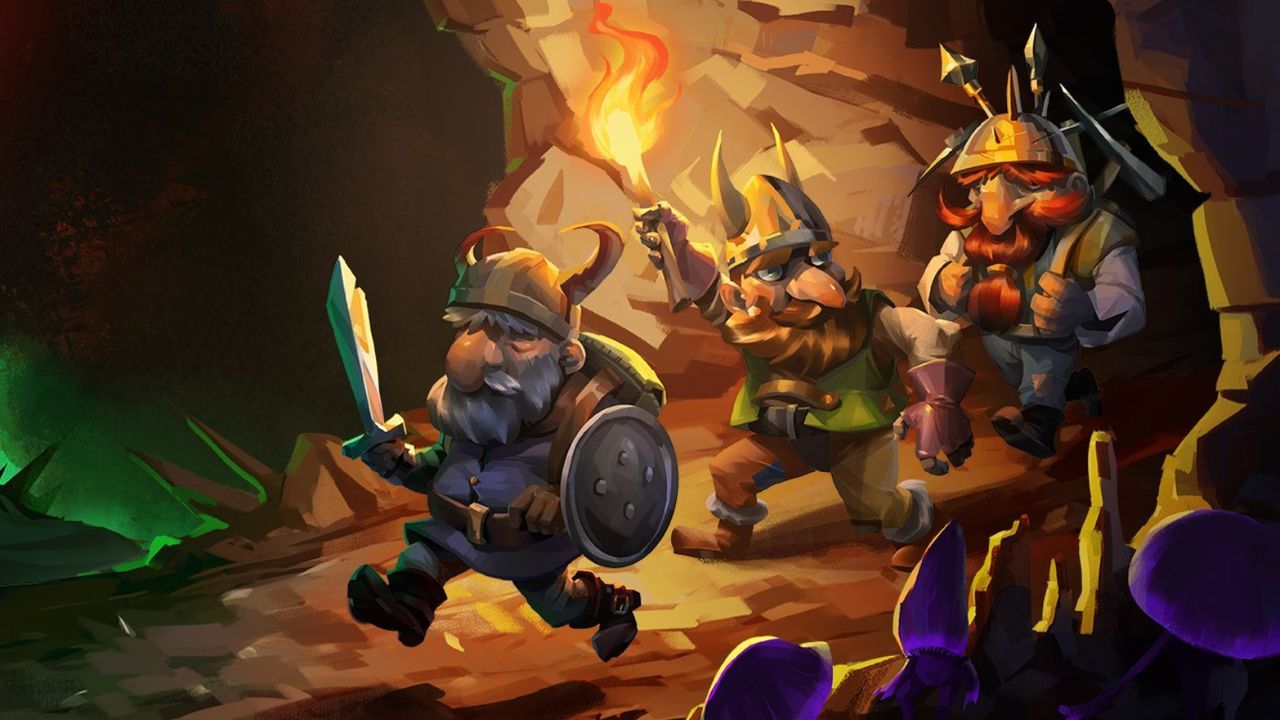
There are games that ask you to build cities, but then there are those that let your creations live, breathe, and ultimately decide their own fate. This is the unique, deeply immersive world of colony simulation, a genre that stands apart by handing control over an entire simulated society to artificial intelligence.
In these games, players focus less on direct command and more on shaping the habitat—constructing rooms, arranging resources, and setting environmental conditions. The real magic happens when colonists, populated by autonomous AI characters, interact with their surroundings and one another based on simulated needs and desires. This interaction is what generates incredible, incidental plotlines; tales of dwarves who succumb to greed, demonic rivals tearing apart plans, or prisoners exploding due to simple logistical oversights.
What sets colony sims fundamentally different from traditional management or city-builders is the depth of these autonomous personalities. It’s not just managing resources; it’s watching a complex social and psychological drama unfold in real-time, driven by the inhabitants’ unique goals and emotions.
The pinnacle of this granularity is found in Dwarf Fortress, a project that has spanned two decades and remains a monumental achievement. Built by Bay12 Games, it aims to simulate not just a colony, but an entire fantasy world, generating everything from terrain and history to the clothing worn by individual characters through its own internal strategy game.
The scale of this simulation is mind-boggling. Through procedural generation, Dwarf Fortress allows for astonishing detail—including procedurally generated poetry, music, and poetic forms, demonstrating how deep the rabbit hole of colony sim development can go. The sheer detail in simulating every angle of fantasy life has made it legendary within the industry.
However, this extreme level of simulation presents a core design challenge: balancing player control with emergent AI autonomy. Designers must determine exactly how much power to grant the player while allowing the colonists to genuinely govern their own lives and even disobey direct orders in extreme circumstances.
This tension between mechanics and narrative evolution is further explored in newer titles like RimWorld, which represents a natural evolution of the genre. Instead of using procedural generation solely as a basis for story, RimWorld flips the script: it uses storytelling to drive the generation of the world.
The core concept behind this narrative focus is embodied in the AI Storyteller, an overarching system inspired by cinematic directors that manages the pace of the game. This system features “story watchers” monitoring parameters and “incident generators” that trigger events—be they positive or brutal—to maintain dramatic tension without needlessly cruel outcomes.
Even when dealing with such complex interactions, communicating the AI’s internal world to the player remains paramount. In games like Maia, developers faced the difficulty of translating dozens of nuanced psychological needs—moods, relationships, and emotional states—into meaningful player feedback.
The solution often involves innovative communication methods. While standard indicators handle basic physical needs like hunger or fatigue, solutions for deeper emotional context have evolved into unique features. For instance, colonists in Maia can now send “emails,” allowing them to present the player with procedural thoughts and even suggest actions based on their perception of the colony’s state. This allows the AI agents to demonstrate a level of self-awareness that feels incredibly profound.
Ultimately, the enduring lesson in colony simulation is that it is not just about creating complex systems; it is about storytelling. The challenge lies in ensuring that the overwhelming complexity doesn’t drown the player but instead serves to amplify the dramatic potential, making every piece of AI life feel as engaging and memorable as any narrative.
Buy on Amazon
Credit