G.Skill pays $2.4M settlement for misleading DDR4/DDR5 speed claims
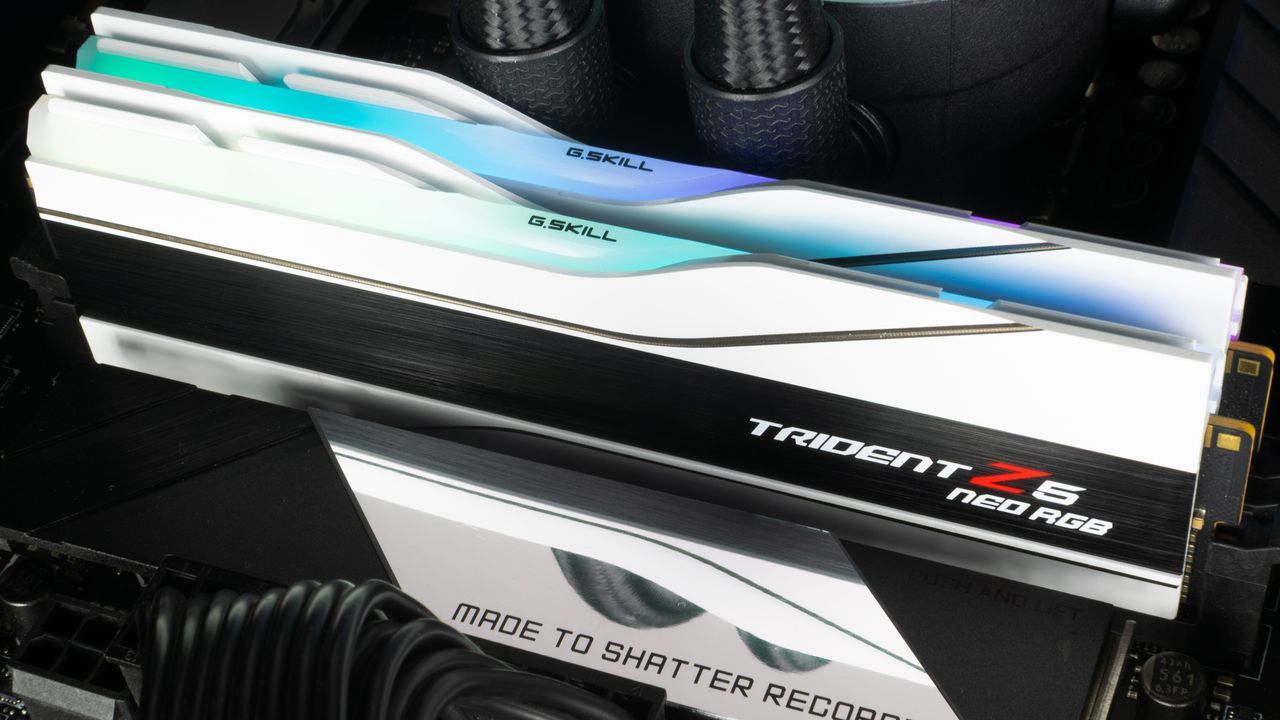
The world of high-performance PC gaming often involves chasing the bleeding edge of speed, and when that chasing involves marketing promises, the fallout can be massive. G.Skill, a titan in the realm of RAM manufacturing, recently navigated a significant class-action lawsuit stemming from claims that it misled consumers about the advertised speeds of its memory kits.
The core of the legal dispute centered on the complexity of memory performance. Plaintiffs alleged that G.Skill failed to clearly communicate that achieving the advertised memory speeds required system overclocking. They argued that the company’s packaging and marketing failed to warn consumers about the risks, including potential system instability or hardware damage, associated with pushing these limits.
In a move that signaled a willingness to resolve the conflict, G.Skill eventually reached a settlement of $2.4 million with the plaintiffs. As part of this agreement, the company committed to updating its memory kit packaging and online product listings to include clear disclaimers. These updates mandate that consumers must overclock their memory, through settings like Intel XMP or AMD EXPO, to successfully reach the rated speeds.
The settlement also included cash payouts to eligible U.S. consumers. Reimbursements varied depending on the number of claims and purchases, with some claimants receiving payouts ranging from $20 to $25.
Beyond the financial resolution, this case illuminated a fundamental truth about PC memory that often confuses the average user: memory speeds are not always plug-and-play. While a memory kit defaults to the JEDEC baseline (like DDR4-2133 or DDR5-4800) for maximum compatibility, reaching speeds above that baseline requires balancing several complex hardware variables.
For example, the final operational speed is determined by a tug-of-war between the memory kit, the processor’s integrated memory controller (IMC), and the motherboard’s capabilities. The processor’s IMC sets the guaranteed maximum speed, and the motherboard’s Quality Verified List (QVL) provides a verified list of compatible kits. Understanding these factors is crucial, as relying solely on manufacturer speed without considering the full system context can lead to disappointment and confusion.
Ultimately, this legal saga serves as a timely reminder for both manufacturers and consumers that marketing must be precise. In the high-stakes world of PC components, transparency about the technical prerequisites—like the need for overclocking—is just as important as the advertised gigahertz. It ensures that the excitement of pushing hardware limits is matched by a clear understanding of the reality behind the numbers.
Buy on Amazon
Credit