Game Pass cracks after Microsoft removes owned game
The world of gaming is constantly evolving, and lately, the Xbox ecosystem has been navigating some choppy waters as it updates its Game Pass lineup and restructures its ambitious vision. While exciting new titles are promised, recent decisions have sparked more debate than enjoyment.
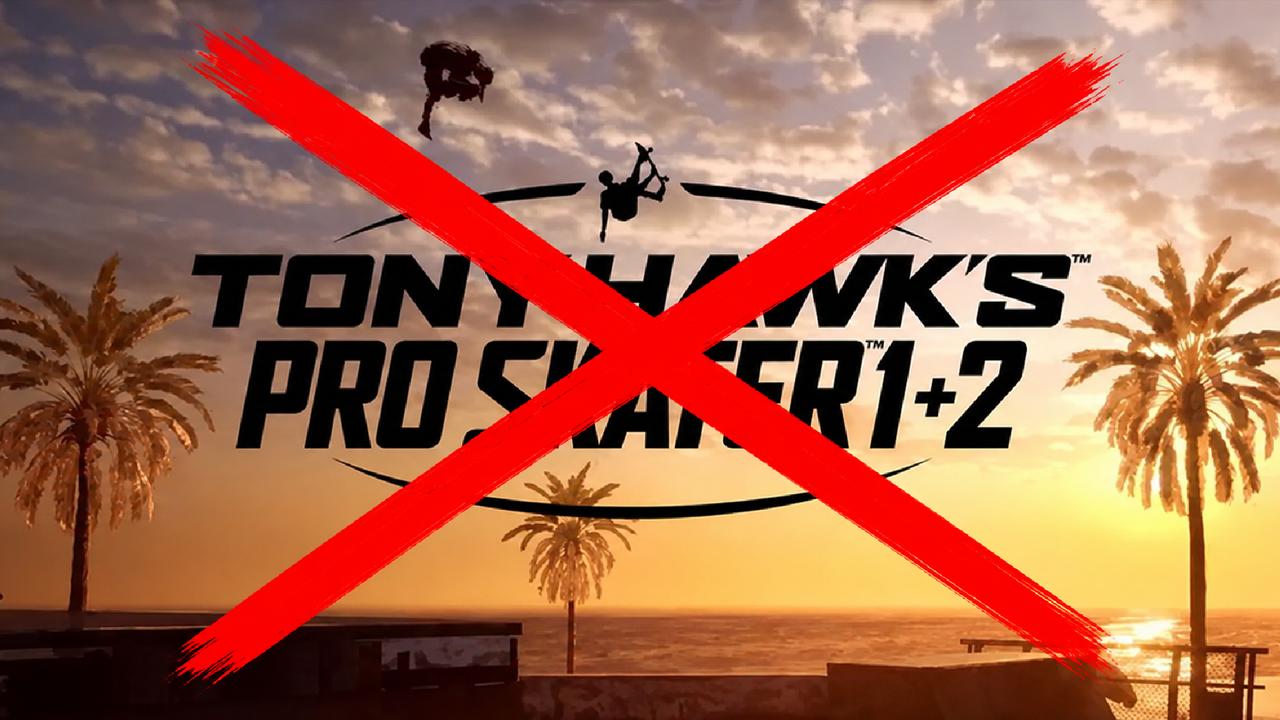
Xbox recently unveiled a compelling batch of games slated for inclusion on Game Pass, featuring big names like Palworld 1.0 and Tony Hawk’s Pro Skater 1+2. However, amidst the excitement, a notable item was pulled from the upcoming roster. The service has removed Tony Hawk’s Pro Skater 1+2 from the list of titles coming soon to Game Pass.
The reason for this move is intriguing. Because the intellectual property behind Tony Hawk’s games belongs to Xbox, the removal hints at deeper strategic considerations—speculations range from complex music licensing issues to broader corporate maneuvering. This situation leaves many wondering about the long-term health and direction of Game Pass itself.
Beyond specific game line-ups, larger shifts are underway at Microsoft. The company is currently engaged in a major internal restructuring, with studios becoming more independent and approximately 1,600 layoffs taking place as part of this overhaul. These corporate changes add another layer of complexity to the narrative surrounding Xbox’s focus on subscription services.
For many gamers, the core question remains: what does this all mean for the future of Game Pass? While some fans adore the service for offering access to diverse games they might never have explored otherwise, others are observing a slower growth trajectory compared to initial expectations. There is a palpable tension between the innovation offered by the service and concerns about its sustainability in a competitive market.
This divergence reflects a broader trend: gamers often prioritize sticking with titles they already know—be it Fortnite, Call of Duty, or Minecraft—rather than chasing the newest additions. As Game Pass growth has slowed, this preference for established favorites becomes more pronounced, highlighting that not all innovation wins over familiarity.
Ultimately, whether removing a single game impacts the overall perception of the platform is debatable. The larger implications suggest that while the content pipeline remains strong, the focus shifts toward evaluating long-term viability and corporate strategy. The gaming community is now watching closely to see how these internal adjustments will shape the future of Xbox and Game Pass.
Buy on Amazon
Credit