Gamer sleeves beat glass mouse pads
As a dedicated hardware enthusiast, I believe that the surface your mouse skates across is just as critical to gameplay as frame rates or processor speed. It’s not enough to focus on the technology inside the box; the interaction between the mouse and the pad defines the entire experience.
I recently found myself experimenting with this principle in action, trying out a new Superlight-style mouse and shifting my focus away from high-intensity competitive matchmaking toward FaceIt. This shift in focus naturally led me down a rabbit hole of material science, specifically comparing the world of cloth pads to the promise of glass surfaces.
Cloth pads have long been the standard, prized for their ability to absorb dust and dirt. However, this inherent reality comes with maintenance—fibers change over time, requiring periodic attention. This leads some to wonder how often professional gamers switch them out so frequently.
Then there is the allure of glass. Glass pads offer a promise of frictionless glide, minimizing static and dynamic friction. The idea is pure consistency: an incredibly smooth tracking surface where every movement is perfectly controlled by the user.
But this pursuit of slickness introduces a paradox. While the glide feels fantastic initially, I quickly realized that gaining control over my aim often meant giving up some physical control over my mouse. For tactical shooters like Counter-Strike 2, where holding angles and maintaining stillness is paramount, this reduced resistance felt counterproductive.
The stopping power of a cloth pad provides a tangible advantage. It allows me to hold my aim tighter and make those crucial small adjustments when peeking or flicking—a benefit that seems vital for competitive precision. While I appreciate the smoothness of glass surfaces for games prioritizing pure glide, in tactical scenarios, the friction of cloth pads offers a necessary stability.
Despite trying various glass options, including some designed to offer more control, I found myself gravitating back toward familiar cloth textures like the SteelSeries QcK Performance Speed or the Razer Gigantus V2 Pro. The experience felt more grounded and reliable.
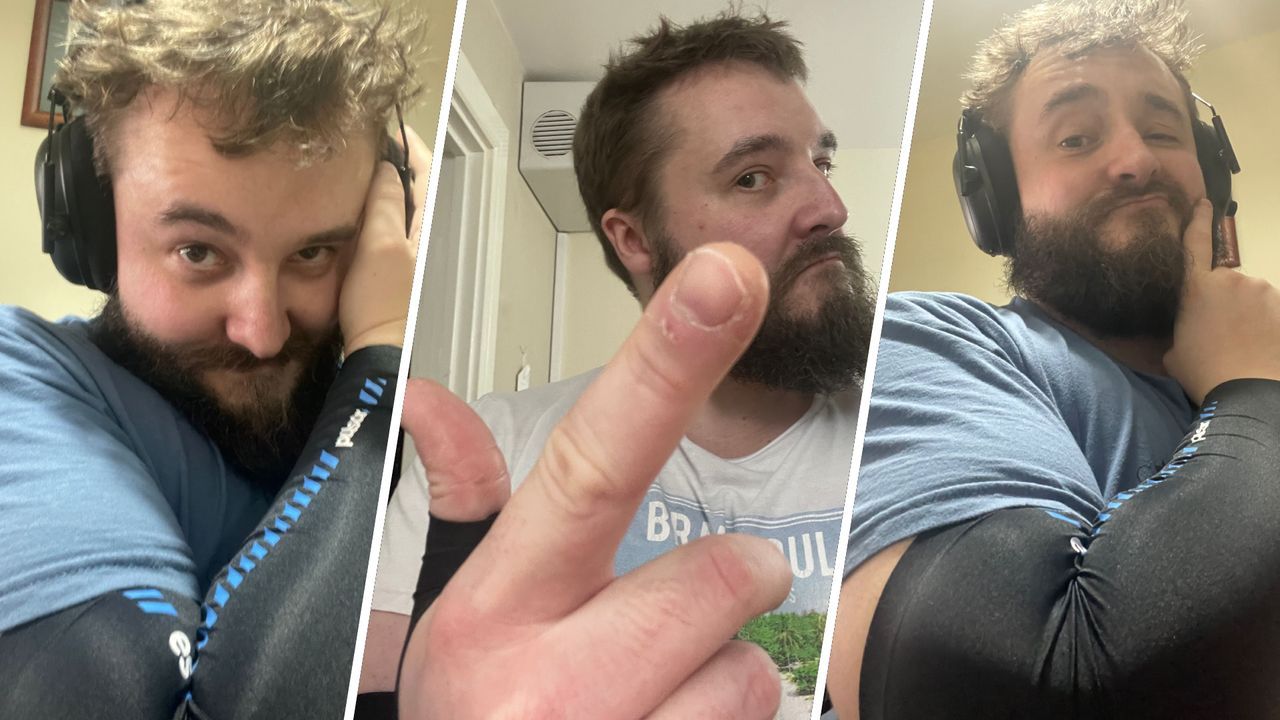
However, the journey didn’t end there. Whether using cloth or glass, a game-changer emerged: the gamer sleeve. Initially, I only thought about sleeves as a way to ensure consistent arm movement, regardless of surface texture. But I soon discovered that this accessory offers a benefit across the board.
I tested the concept of using a sleeve with a cloth pad, and even found it beneficial—something I hadn’t expected. The sleeve allows my arm to glide consistently over the pad, ensuring that my aim remains perfectly consistent every single time I boot up the game. It’s become an essential piece of maintenance, felt as natural as putting on a coat before going outside.
Ultimately, while glass pads opened my eyes to the wonders of smooth tracking, the combination of reliable friction and customized control confirmed that for competitive precision, especially in tactical shooters, the well-worn cloth pad remains the champion. And the gamer sleeve? That’s a necessity, no matter what surface you choose.
Credit