Games industry volatility is always gonna be around Tim Cain
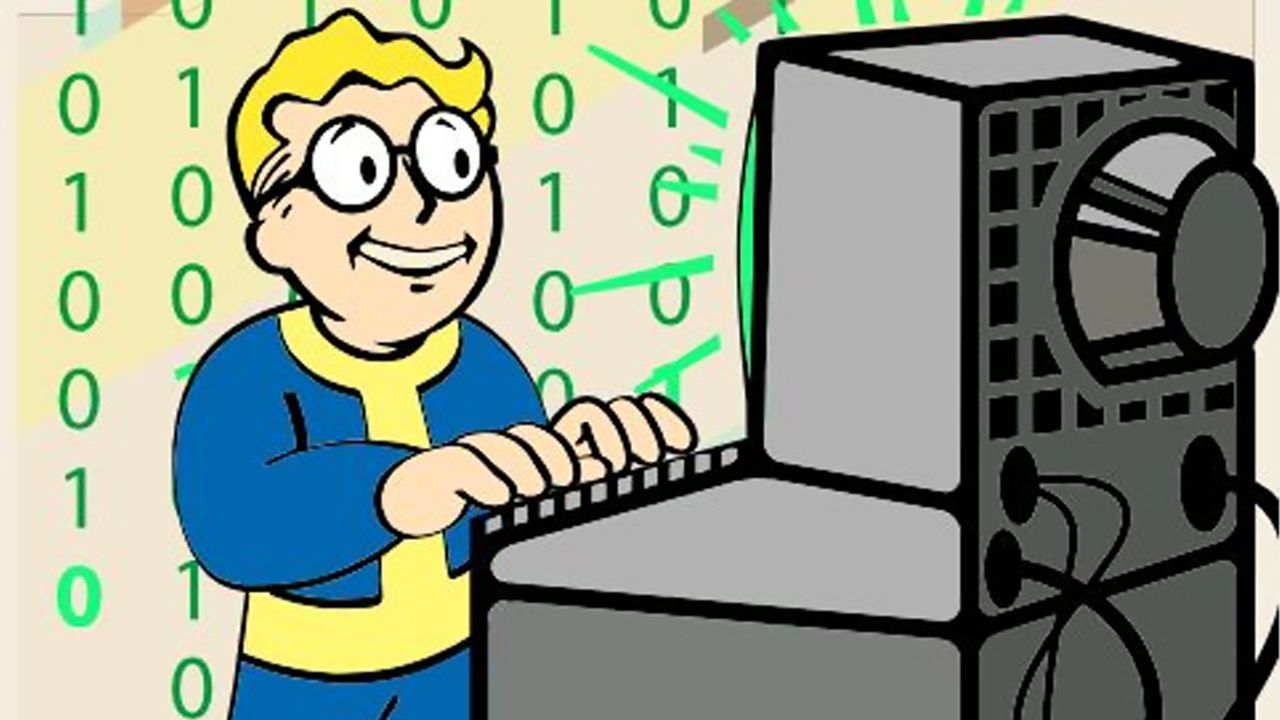
The video game industry, despite its astronomical profits, is currently navigating a tumultuous period marked by layoffs, massive hardware inflation, and aggressive corporate consolidation. It’s a reality many in the sector are grappling with, forcing a reckoning about the perceived stability of the creative and technological landscape.
Recent reports highlight significant instability. Massive layoffs, such as the recent cuts at Xbox, underscore a broader trend of financial contraction. Simultaneously, the foundational costs of the industry are skyrocketing. Factors like the demand for AI data centers are driving up the prices of essential components like RAM and storage, leading to what some are dubbing the RAMpocalypse.
Amidst this economic pressure, industry leaders are engaged in consolidation efforts, as seen in moves to merge electronic arts groups with major gaming entities. This environment makes the question of long-term stability a central concern for creators and workers alike.
Tim Cain, the co-creator of Fallout, recently offered a candid assessment of the current state. In his discussion, he acknowledged that the situation is undeniably tough, pointing out that the current poor state is simply the present moment, not a permanent fixture. He suggested that while the situation feels dire, history dictates that these difficult cycles will eventually pass.
Cain cautioned that assuming stability over the past decades is a form of survivorship bias. He drew a parallel to the video game crash of 1983, suggesting that what the industry is experiencing now is not novel—it is just a cyclical event happening at the intersection of rapidly evolving art and cutting-edge technology.
For those seeking to weather these shifting waters, Cain advises a dual strategy. Workers must either cultivate an eclectic and broad skill set, allowing them to pivot between various needs, or they must hyper-specialize, establishing themselves as indispensable experts in a specific niche.
Beyond economic maneuvering, the fight for better conditions is also gaining momentum within the industry. Labor groups are actively pushing for change, demonstrating that the push for fair compensation and working environments is alive and well. For instance, Blizzard Entertainment workers recently secured a historic first contract for their game development teams and shared services. Meanwhile, the Independent Workers of Great Britain are rallying in support of Rockstar Games workers as the company navigates ongoing legal challenges and union-busting allegations.
This ongoing effort to secure better working conditions illustrates that while the market may shift, the human element—the workers—are determined to ensure that the future of the gaming industry is built on more stable, equitable foundations.
Credit
