Gamescom apologizes and pledges security overhaul for dev hardware thefts
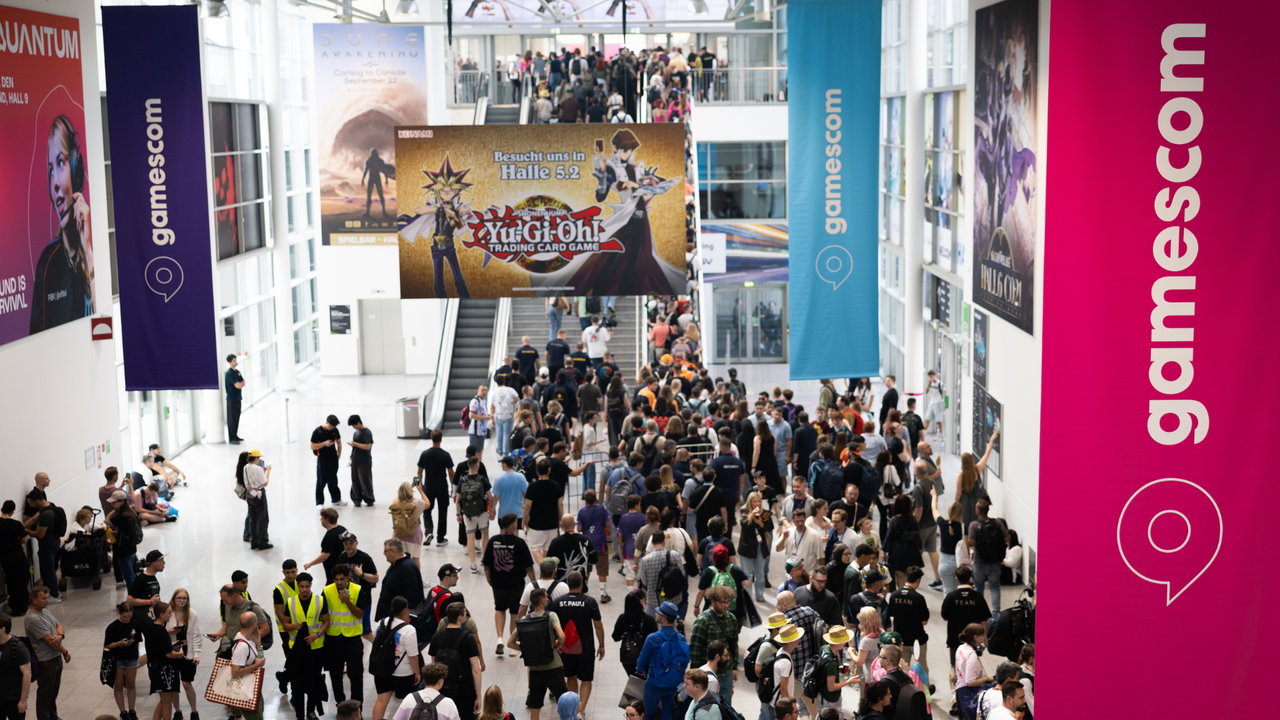
A Stolen Future: How Gamescom Handled the Hardware Heist
The glittering spectacle of Gamescom often promises a vibrant showcase of the world’s most innovative gaming technology. However, behind the bright lights and cutting-edge displays, a shadow of theft recently cast doubt on the security for independent developers who rely on their physical assets. Organizers have recently addressed this issue, acknowledging the fallout from the theft of hardware belonging to several indie exhibitors, setting a precedent for how large events manage their community.
The controversy arose from the initial response to reports that some exhibitors had experienced losses of equipment, including laptops and handheld consoles, stolen from their secured booths. The reaction from the community, and subsequently the criticism directed at the event organizers’ initial communication, was immediate and understandable. In the wake of this backlash, Gamescom issued an apology, recognizing the gravity of the losses suffered by the developers.
The organizers admitted that their first communication failed to strike the right tone and lacked the empathy owed to the affected parties. They accepted the criticism, stating that they understood the serious nature of the incident: a theft was not just a material loss but a threat to the entire work and future of a small studio.
The stakes were exceptionally high for these developers. The stolen items were not merely expensive electronics; they represented months or even years of painstaking work and intellectual property. For a small studio, losing these unfinished projects—which often reside on external drives or within physical hardware—can feel like a devastating blow to their creative endeavors.
So far, reports confirm that three exhibitors were affected by this incident. Developers like Mimic, iam8bit, and Tessera Studios reported losses. Ryan Laley, a developer at Mimic, lost a brand-new Alienware gaming laptop. iam8bit reported the disappearance of two laptops, while Tessera Studios lost two laptops and a Steam Deck console.
Beyond the financial implications, the theft posed a far more profound threat: the loss of intellectual property. While developers may have backed up their projects on external storage, the missing physical devices mean that unfinished creative work is now vulnerable in the wild. This realization underscored how crucial physical security is to the creative process of game development.
In response to the crisis, the organizers initiated concrete steps to address the matter. They have engaged directly with the affected parties to understand the consequences of the incident. Furthermore, the organization is conducting a thorough post-event review and security evaluation specifically for indie exhibitors. To foster genuine solutions, they are also inviting shared booth organizers to a roundtable discussion aimed at developing collaborative security measures.
The response from the wider gaming community has been particularly noteworthy. Within hours of the incident, the broader industry stepped in, offering unconditional support and assistance to the affected studios. This swift, collective solidarity highlighted the deep trust within the gaming ecosystem, demonstrating that when creators are threatened, the community rallies to protect their shared creative space.
Buy on Amazon
Credit