Gaming RAM: Ultimate machine specs 10, 20, and 30 years ago
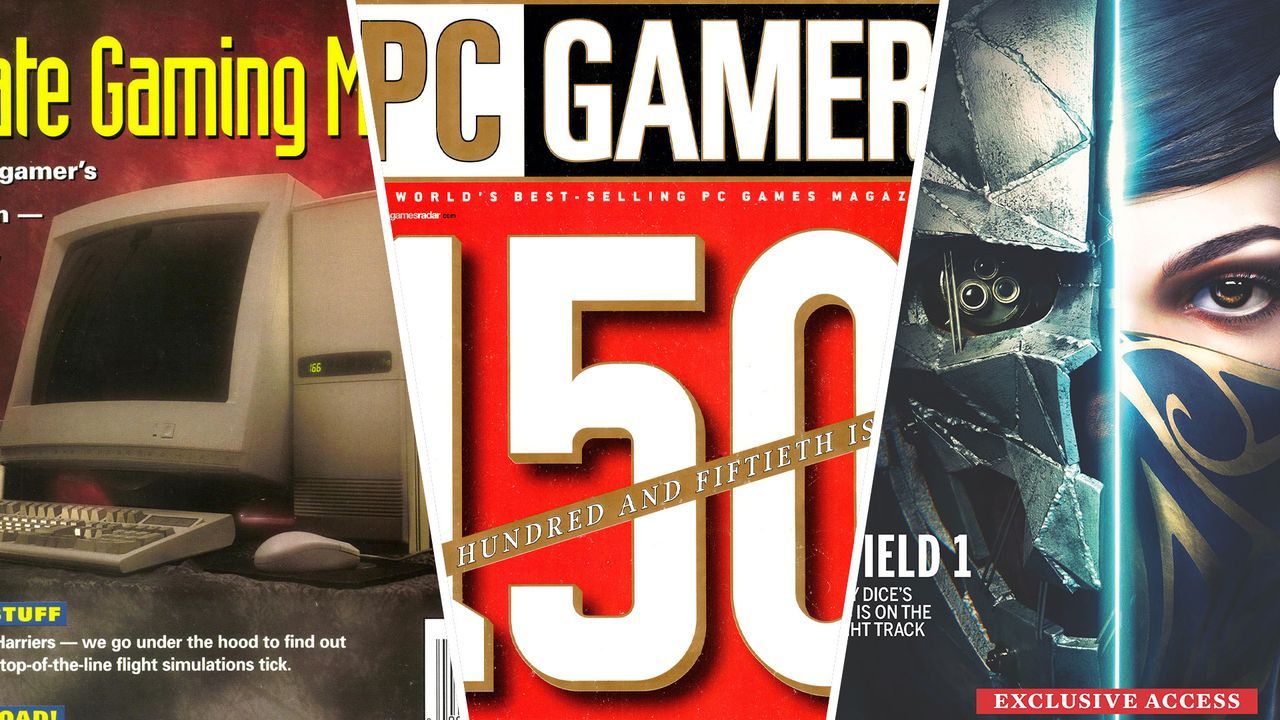
There’s a curious phenomenon that strikes us when we look back at history: the frequency illusion. When you first learn about something, it often feels like a fleeting idea, but as time passes, it starts to manifest everywhere. This realization is particularly striking when examining the evolution of PC gaming, which serves as a perfect case study in technological leaps and cultural shifts.
The journey through three key dates—July 1996, July 2006, and July 2016—reveals not just changes in hardware specifications but an entire shift in what PC gaming meant. It’s a fascinating look at how rapidly the landscape transforms while some core passions endure.
The Dawn of the PC Gaming Era: 1996
Back in 1996, the focus was squarely on raw computing power and foundational experiences. The magazine cover featured the “Ultimate Gaming Machine,” highlighting hardware configurations that defined early PC gaming. A system recommendation included a 166 MHz Pentium, 16 megabytes of RAM, and a Super VGA card. Even the peripheral limitations were notable: a 28.8 kbps modem meant downloading fancier web pages was a slow process.
The game hits featured that year reflected this hardware focus, including titles like Duke Nukem 3D, Civilization 2, and Zork Nemesis.
Mid-Era Shifts: 2006
By 2006, the industry was buzzing with new developments. The focus broadened from sheer hardware specs to celebrating gaming history and ongoing industry drama. The magazine celebrated milestones, including a retrospective of PC Gamer history and acknowledging the influence of titles like The Game Gods and The Next Game Gods.
This era saw significant industry movements, such as Ubisoft ditching anti-piracy technology following legal action, and the acquisition of popular chat software. Gaming remained central, with celebrated titles like Tomb Raider: Legend demonstrating the enduring appeal of classic franchises.
The Immersive Future: 2016
The latest chapter brought a focus on immersive experiences and emerging technology. The spotlight shifted to titles that redefined gameplay, such as Dishonored 2 “Long Shadows,” which was praised for expanding the potential of immersive simulation.
This period also saw a major technological push with Nvidia revealing the GTX 1000 series and discussions surrounding virtual reality. The review of VR headsets, including the Oculus Rift and HTC Vive, pointed toward a future where immersion could be fully realized, marking the peak of that specific excitement in PC gaming.
From early memory limitations to cutting-edge virtual worlds, the history of PC gaming provides a compelling story of constant evolution. The core impulse remains the same: finding new ways to interact with the digital world, no matter how quickly the technology changes around us.
Buy on Amazon
Credit