Gears of War: One mission rocked, the other didn’t
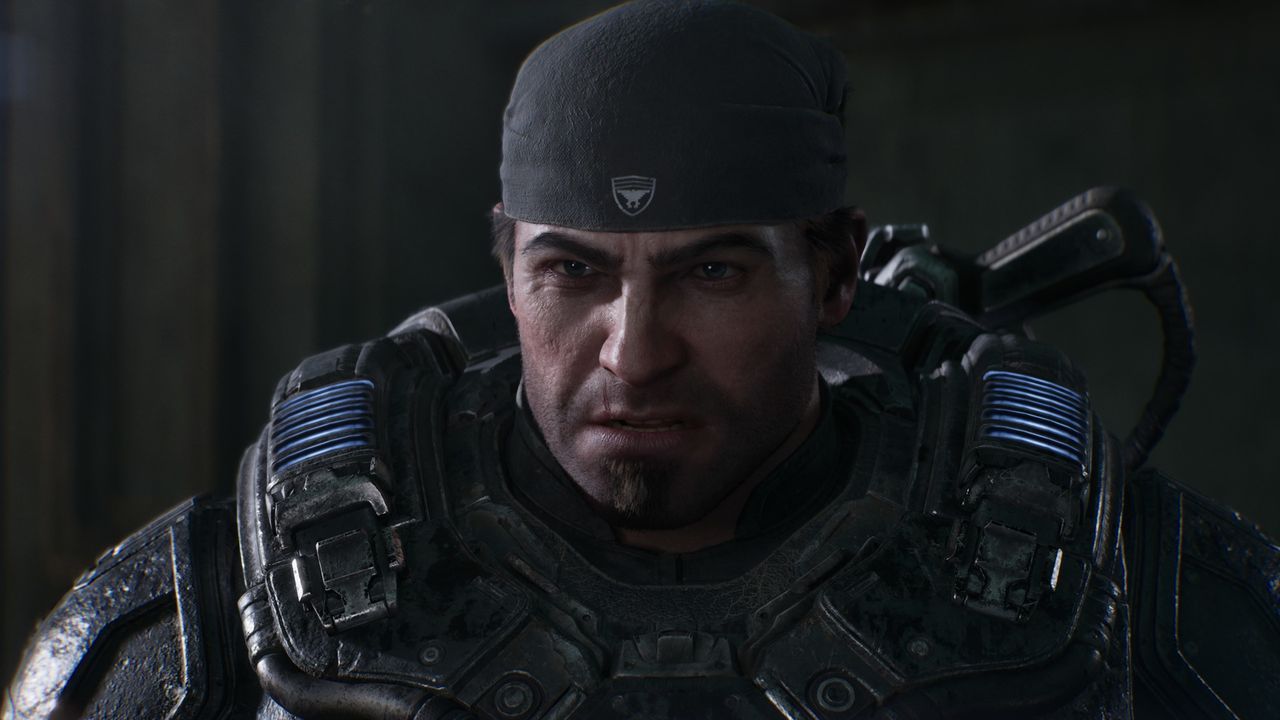
Stepping into the world of Gears of War: E-Day felt like finding a stash of high-octane fuel. Even in a single-player shooter drought, the promise of new content is electrifying, and the initial demo delivered a potent dose of action that left me eager for the full experience.
The vertical slice provided a fascinating look at The Coalition’s design philosophy. The first mission showcased the linear spectacle that defines Gears of War—tight, tactical engagements that are masterfully executed. This was followed by a second mission that threw the players into the deep end, allowing Bravo Squad to roam and interact with Kolona City in an open environment, complete with optional objectives and a sprawling map.
One of the most immediately compelling segments was the high-stakes sequence involving the bridge. The setup was pure Gears brilliance: waves of drones and explosive vehicles advanced down a sea of abandoned cars. The design cleverly utilized a raised platform, forcing players to choose between tactical cover or diving into the fray with lancers and shotguns. It was a claustrophobic masterclass in combat design.
The weapon introduced in this section, the Breechshot, instantly became a standout. This bolt-action rifle offers a unique blend of power and versatility, functioning effectively as a versatile weapon that can hold its own against other arsenal pieces, possessing the utility of a Lancer without the drawbacks of a Longshot sniper rifle. Adding to its unique flair is the axe head attached to the stock—a perfect nod to the Locust R&D.
The design masterfully used compact spaces to generate tension. Watching Marcus and Dom navigate the bridge, they weren’t just fighting; they were maneuvering through train subway cars, flanking Locusts advancing from above. The Coalition succeeded in packing intentional encounter design into these confined areas, proving that atmosphere and challenge can thrive in limited space.
However, the introduction of open-world elements provided a different kind of experience. After crossing the bridge, players were given a map and a large chunk of Kolona to explore. While appreciating the density of culture The Coalition packed into the city streets, this open exploration felt less like a guided narrative and more like a leisurely jog down streets, collecting optional details and engaging in chatter that didn’t always feel immediately invested in.
The central question for the full campaign, therefore, revolves around this balance. If the game is set entirely in Kolona, does the open-world structure function as a persistent hub connecting more linear, focused missions, much like a modern open-world title? The instinct for Gears seems to thrive on a clear, linear track. The challenge now is determining how effectively the open spaces integrate with the tactical heart of the series, ensuring that the story remains on the track while still allowing for rewarding exploration.
Buy on Amazon
Credit