Genius recreates Minecraft on Game Boy Color and original Game Boy
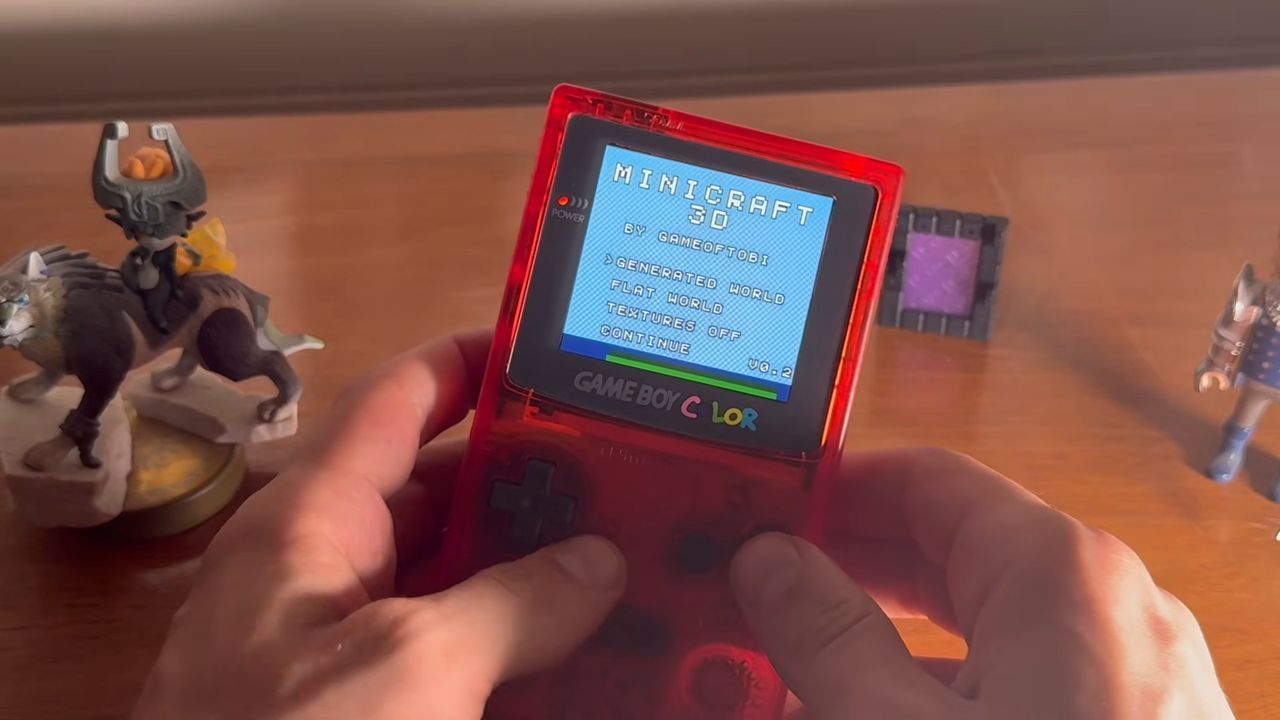
The gaming world has recently been bogged down by some heavy news—from major corporations making difficult decisions about physical media to large layoffs shaking up the industry. Amidst this commercial turbulence, a fascinating counter-narrative is emerging, proving that true creativity doesn’t wait for corporate approval. It’s in the hands of technical visionaries who are turning forgotten hardware into portals for endless wonder.
Take, for instance, the work being done by the YouTuber Game of Tobi. This ingenious tinkerer is not just playing games; they are pushing the boundaries of what old technology can achieve, resurrecting classics in ways that defy expectation. Their recent focus on bringing the legendary Minecraft”>Minecraft to life on vintage handhelds offers a potent reminder of the magic hiding within obsolete devices.
The project involves running a version of Minecraft on two iconic portable consoles: the Game Boy Color, released in 1998, and the original Game Boy from 1989. This isn’t just a simple port; it is a demonstration of technical wizardry. The resulting game, often dubbed Minecraft, allows players to navigate either a flat map or a full 3D-generated world where they can place blocks and build.
While the graphics and frame rates are necessarily limited compared to modern standards—especially on the original Game Boy, which only offered black and white—the sheer accomplishment is staggering. It showcases how deeply complex gaming mechanics can be translated and optimized for hardware that was built decades ago. This level of creative re-engineering turns nostalgic novelty into a profound technical achievement.
Game of Tobi’s portfolio extends beyond Minecraft. They have demonstrated an impressive knack for retro compatibility, having successfully created working versions of other beloved titles on older systems, including Minecraft on the Game Boy Advance and the Nintendo DS. Furthermore, they have tackled classic RPGs, such as adapting The Legend of Zelda: Twilight Princess for the Nintendo DS and reimagining Super Mario Odyssey for the Nintendo 3DS.
This dedication to retro-tech innovation speaks to a broader desire for games that offer genuine, offline experiences. In an era where online services can be delisted at any moment by corporate whim, the ability to enjoy a full, self-contained world of adventure on older hardware is incredibly appealing. It emphasizes the value of content that is stable and independent, free from the volatility of server dependence.
Ultimately, this work makes us pause and consider what the gaming landscape would look like if these experiences had been created in the 1990s. It forces a reflection on how we perceive technology and gameplay across different eras. The brilliance lies not just in the execution, but in proving that innovation can thrive by finding unique pathways, even using the most limited tools available.
Buy on Amazon
Credit
