German scammer strips hollow RTX 5090s, nets $5000
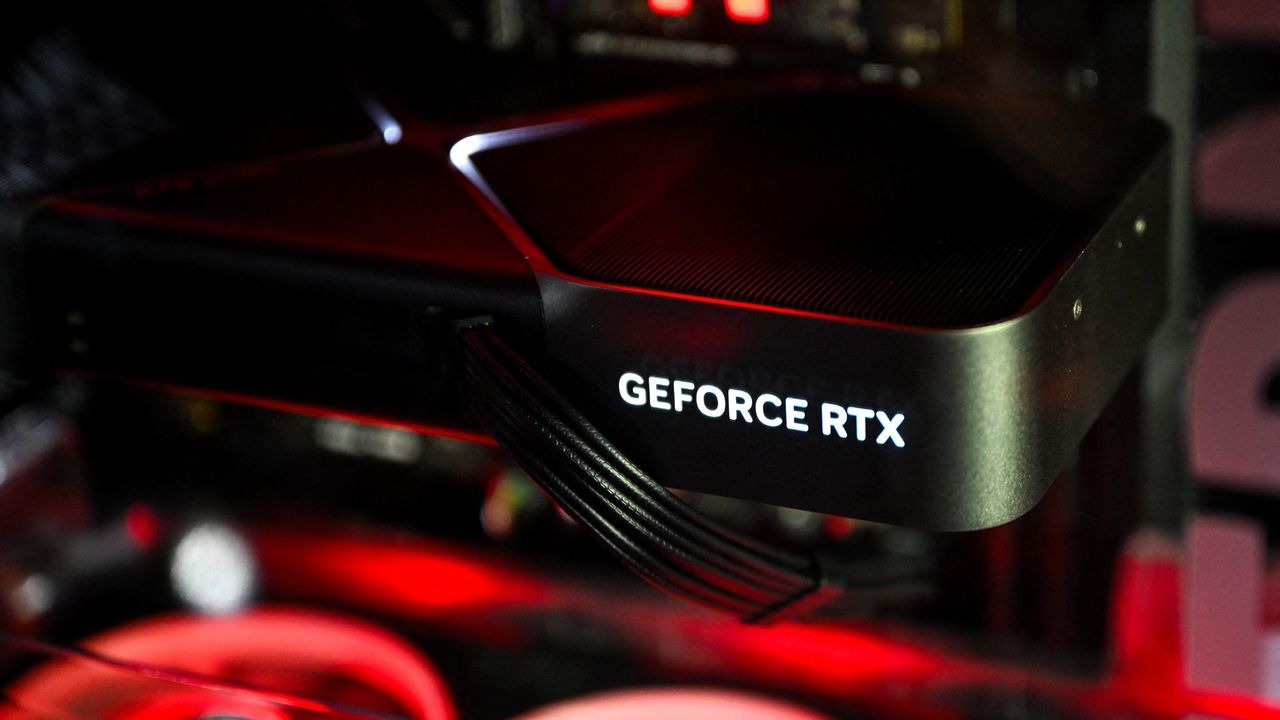
The Phantom Graphics Card: How the AI Gold Rush Fuels a New Scammer Epidemic
The world of high-end graphics cards, particularly Nvidia’s GeForce RTX 50-series (codenamed Blackwell), is currently booming. These cards are the undisputed champions of the hardware landscape, driving the current frenzy in the AI gold rush. However, this intense demand, coupled with the high resale value of these components, has created a dangerous vacuum for criminals looking to exploit unsuspecting buyers.
While enthusiasts focus on next-generation architecture and performance benchmarks, a different kind of market—the used component trade—has become a hotbed for sophisticated fraud. Scammers are increasingly targeting buyers with phantom graphics cards, devices that look real but are fundamentally hollow, lacking the essential silicon and memory chips required for functionality.
The reality is that these fraudsters don’t need to hack complicated systems; they simply remove the core components from legitimate cards and sell the shells. Because the average consumer typically doesn’t perform a full internal disassembly, the fraud goes undetected until the moment of purchase.
This type of deception is not new. Scammers have historically used similar tactics, such as selling memory modules without integrated circuits or external storage devices that are hollowed out, convincing buyers they are acquiring genuine components. Today, the threat has escalated with the high stakes of cutting-edge GPUs.
Recent reports emerging from Germany underscore the seriousness of this trend. Two separate incidents have surfaced involving buyers who fell victim to the same deceptive seller, showcasing a calculated, organized approach to fraud.
One case involved a buyer who purchased a used Palit GeForce RTX 5090 GameRock OC for approximately $2,090. This price seemed incredibly attractive, especially when a brand-new unit in Germany was priced significantly higher. The discrepancy immediately flagged the transaction as highly suspicious.
In both instances, the scammers attempted to build trust by presenting convincing paperwork. For one victim, the seller provided an invoice claiming to sell a second card, while in the other case, the seller ensured that the serial numbers on the invoice and the packaging matched perfectly. However, the trick was more subtle: the serial numbers printed directly on the graphics card itself were deliberately altered or scratched off to hide the fraud.
These scams often take place during in-person dealings, where buyers rely on the seller’s word, hoping a face-to-face interaction will guarantee legitimacy. Unfortunately, without the tools to test complex hardware on the spot, this reliance on trust proves fatal.
The consequence of this deception is tangible. One victim ultimately paid nearly $2,613 for the phantom graphics card, demonstrating the significant financial toll these scams inflict on consumers.
As the AI gold rush continues to fuel the demand for powerful GPUs, the motivation for scammers remains strong. This cycle demands heightened vigilance from consumers. Anyone looking to procure high-end components, especially from second-hand markets, must exercise extreme caution and insist on rigorous verification before handing over any money.
Buy on Amazon
Credit