Get $175 back for Windows 11 license beware wiping storage
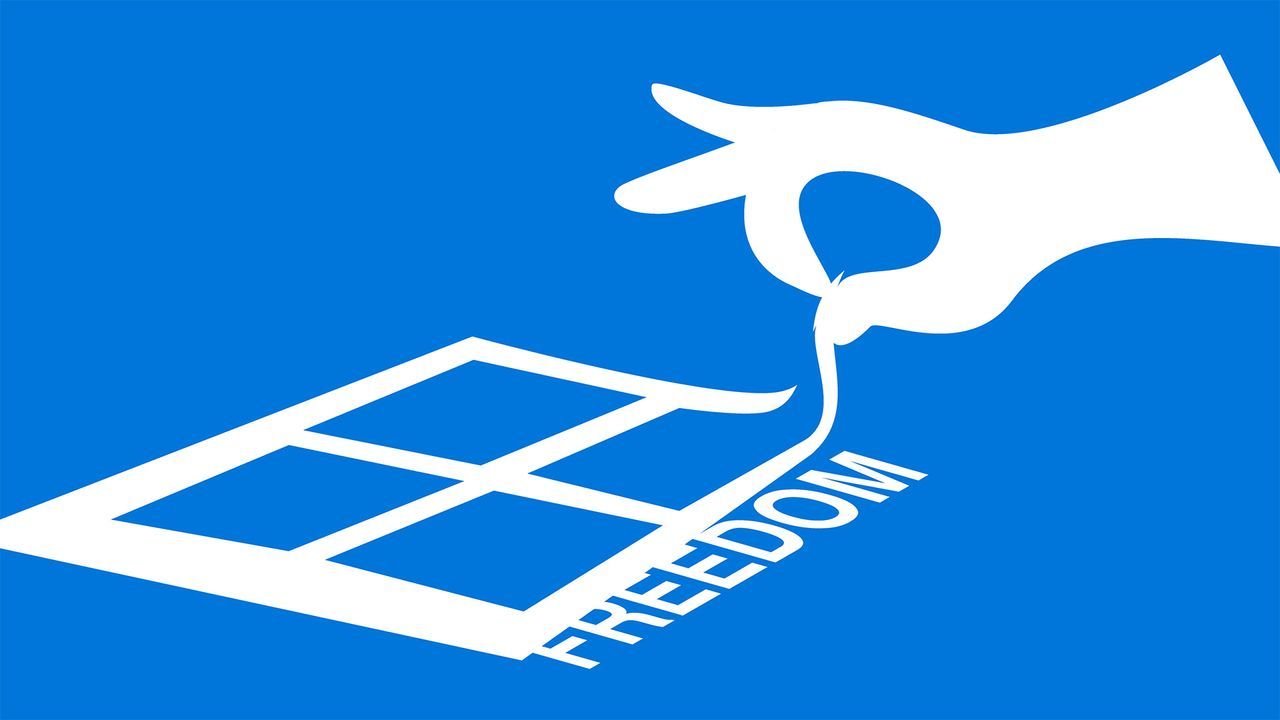
The modern computer landscape often comes with a built-in surprise: most new PCs arrive pre-loaded with Windows 11. While this convenience appeals to many, it creates significant friction for consumers who value freedom of choice, particularly those who prefer operating systems like Linux. For enthusiasts seeking a clean start and free software, the default setting can feel less like a welcome feature and more like an unwelcome imposition.
To tackle this imbalance, a collective effort has emerged. Organizations like the Italian Linux Society and the Free Software Foundation Europe have launched Refund4Freedom, a movement dedicated to ensuring that consumers can purchase hardware without mandatory, unwanted operating systems and licensing fees. Their mission is clear: consumers should be able to buy the physical machine they want, free from pre-installed software, and only pay for what they choose.
Refund4Freedom isn’t just advocating for a single change; they are pushing for systemic reform. Their demands focus on establishing consumer rights in the hardware and software market. First, they insist that device manufacturers and vendors should not impose an operating system on buyers or force them to pay for software they do not desire. Second, they call for transparency, arguing that buyers must have the right to see the price of a product both with and without operating systems like Windows.
To make this vision a reality, the group works to demand clarity on the process. They urge manufacturers to clearly outline the steps for requesting and obtaining refunds for pre-installed operating systems and software, ensuring the entire process is as frictionless as possible for the consumer.
However, the journey toward transparency is complicated by the diverse landscape of manufacturers. Refund4Freedom recognizes that not all companies operate equally when it comes to reimbursement. Some vendors have established reimbursement procedures, while others do not. This disparity means that the path to a refund can be highly dependent on the specific brand of PC purchased.
Navigating this system requires a deliberate approach. If consumers wish to pursue a refund, Refund4Freedom advises a method of protest: start by examining the contract clauses detailing reimbursement rights. Then, contact the manufacturer’s customer service, preferably in a recordable format like email or messaging, to create a clear paper trail. Do not modify or erase the computer at this stage.
Should direct contact prove insufficient, the group offers pre-made forms to guide the process. While these resources provide a helpful starting point, the process often requires local adjustments, as legal frameworks vary significantly by country. This highlights the need for consumers to seek guidance from local legal rulings when pursuing their rights.
Ultimately, the goal is to hold vendors accountable. Refund4Freedom encourages users to report their experiences, whether positive or negative, to relevant regulatory bodies. This collective reporting helps expose the true operational standards across the industry. While the process can be complex, the movement demonstrates a strong push for greater consumer control over the technology they buy.
Buy on Amazon
Credit