Gigabyte supports 8200 MT/s CXMT memory on AM5
The world of high-performance computing is a battlefield defined by memory—the invisible, yet utterly critical, component that dictates how fast our systems run. For years, the supply chain has been dominated by three titans: South Korea’s SK hynix and Samsung, and the United States’ Micron. But as the industry grapples with massive demand, a fascinating new player is stepping into the arena, shaking up the established order:
ChangXin Memory Technologies, or CXMT, a Chinese manufacturer that is rapidly expanding its output of RAM to ease global shortages. CXMT is pumping out memory at an incredible pace, positioning itself as a vital antidote to the ongoing scarcity known as the RAMpocalypse.
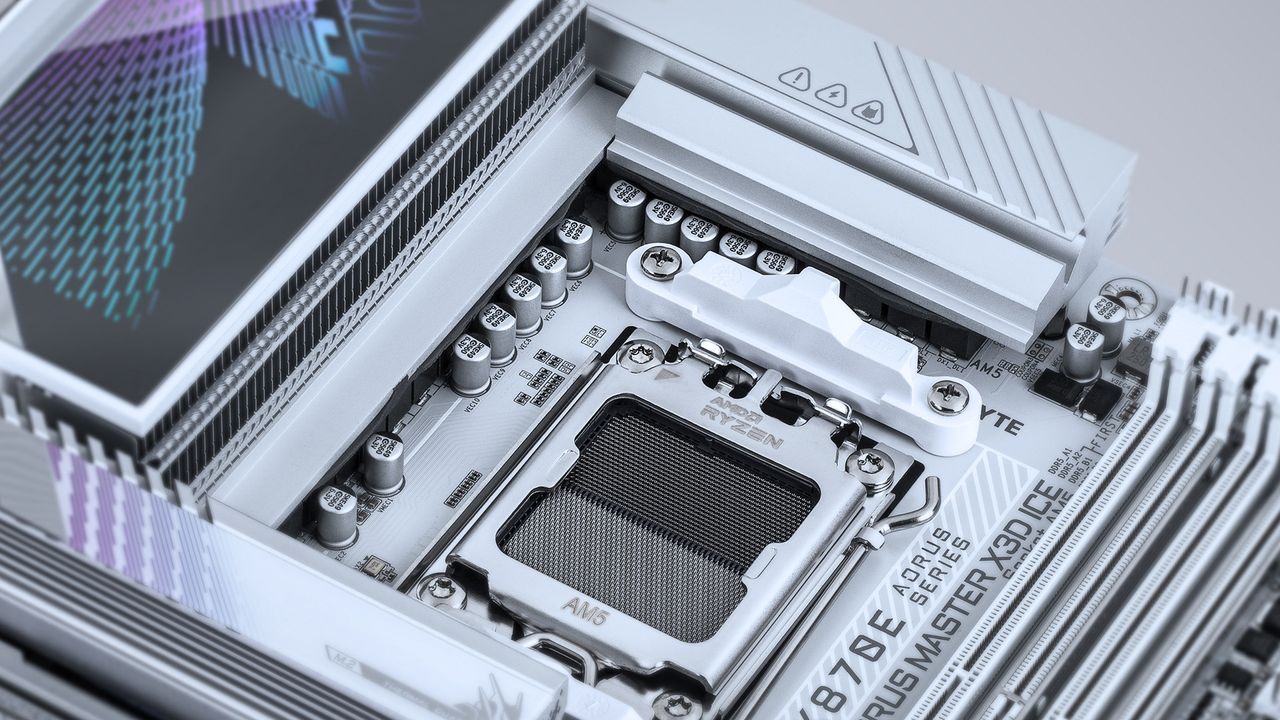
This sudden surge in supply has created ripples across the hardware ecosystem. Naturally, motherboard vendors are quick to recognize this shift, ensuring compatibility and performance for their customers. Companies like Gigabyte have been at the forefront, publicly advertising fresh support for CXMT memory across their platforms.
Meanwhile, other giants are also adapting. MSI, for instance, has made waves by promoting BIOS optimizations specifically tailored for CXMT DDR5 memory, initially rolling these updates out through China before making global announcements. This move signals a willingness to embrace the new supply stream to deliver cutting-edge performance.
The integration of this new memory isn’t just theoretical; it’s measurable. Gigabyte is demonstrating real-world capacity by offering test results showing CXMT chips achieving impressive speeds, reaching up to 8200 MT/s on select motherboards. These benchmarks showcase that the new memory isn’t just available—it performs exceptionally well, proving it can handle demanding workloads with excellent latency.
This performance data highlights a significant supply advantage. Gigabyte notes that CXMT chip-based memory offers a welcome additional source of supply for consumers, supporting various module sizes like 16GB and 24GB single-rank modules.
However, the story extends beyond silicon and motherboards; it delves into complex geopolitical waters. While CXMT chips offer supply solutions, their origins raise serious questions about supply chain security. The company is currently considered a Chinese military entity by the Department of Defense after being removed from export lists, fueling legislative concerns in the United States regarding the risk posed by relying on foreign suppliers for critical technology.
This tension is visible in corporate actions. Major hardware manufacturers like Corsair, HP, and Dell are already integrating ChangXin RAM into their product lines. Even tech behemoths like Apple are reportedly seeking access to these chips, suggesting a growing demand that bypasses traditional supply routes.
Ultimately, for the average DIY builder, the reality is often more straightforward than the headlines suggest. Most consumers purchase memory from established, trusted vendors like Silicon Power, G.SKILL, Patriot, or Corsair. If the RAM meets its rated specifications, the origin of the chips becomes secondary. The exciting part is that as these new supply chains mature, we gain access to a wider, more competitive market for the essential components that power the future of technology.
Buy on Amazon
Credit