GoPro’s AI push: Merger funds US data centers and manufacturing return
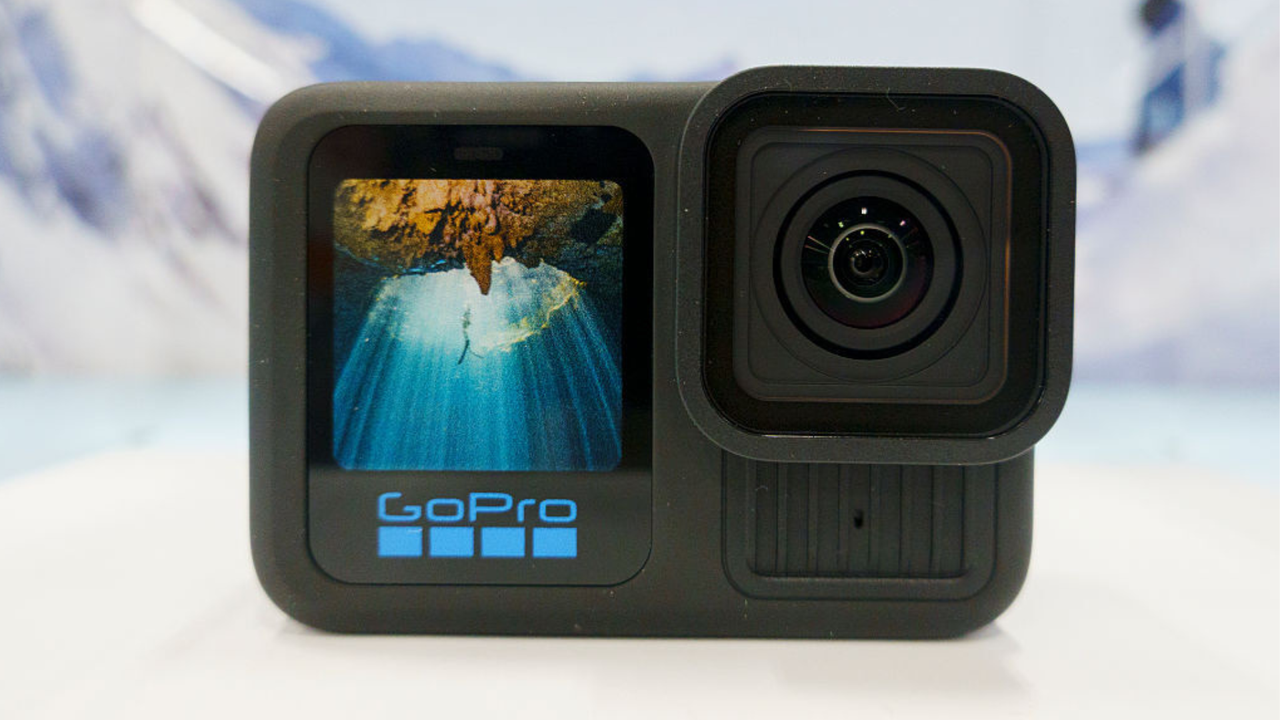
The Lens of the Future: How an Action Camera Merger is Powering the AI Data Center Revolution
In a move that bridges the gap between adventure photography and cutting-edge data center technology, GoPro has entered into a merger with Starman Optical, Inc., an optical-photonics specialist. This strategic alliance is far more than a simple corporate transaction; it’s a powerful convergence of technologies aimed squarely at equipping the next generation of AI infrastructure.
The core objective of the deal is ambitious: to combine GoPro’s extensive intellectual property and imaging solutions with Starman’s expertise in advanced optics to produce U.S.-made optical transceivers essential for AI data centers. This endeavor positions the combined entity at the nexus of consumer technology and critical global infrastructure.
Financially, the deal is structured to provide significant value to the shareholders. Starman will pay GoPro shareholders $285 million in cash, while also settling its outstanding debt of $92 million. Interestingly, existing GoPro investors will retain a 10% stake in the newly formed company, ensuring continued alignment of interests.
For Starman, the acquisition grants access to GoPro’s valuable assets, including over 2,500 patents, advanced imaging solutions, and sophisticated optical technologies. This infusion of IP is vital, providing the foundation needed to sustain the company, especially as GoPro faced increasing costs and declining sales, prompting warnings about the company’s ability to continue.
Beyond the immediate need for survival, the merger opens up vast, high-growth markets. By integrating their optical expertise with data center demands, the combined company can now expand into sectors like defense, government, robotics, and aerospace, leveraging their combined IP to supply domestic solutions.
The demand for this technological pivot is massive. AI data centers are currently fueling an unprecedented technological boom, projected to hit an estimated $32 trillion in infrastructure spending by 2050. As these data centers transition heavily toward fiber optics for networking, the need for highly efficient, specialized optical components has skyrocketed.
While the connection between an action camera and data center cooling systems might seem abstract, the underlying technology shares critical links—namely, advanced imaging sensors, sophisticated lenses, and complex optics. This merger acknowledges that the future of data infrastructure relies on the same principles of precision and optics that drive high-quality imaging.
This trend of industrial pivoting toward AI infrastructure is not unique. Other companies are rapidly adjusting their strategies to capitalize on this shift. For example, a struggling apparel brand recently pivoted toward AI data centers, resulting in a significant stock price jump as they began offering GPU-as-a-service solutions.
The GoPro-Starman partnership exemplifies how seemingly unrelated fields can intersect to create powerful new solutions. By blending consumer-facing innovation with enterprise-grade optical engineering, the deal is setting a precedent for how specialized technologies will drive the enormous demands of the AI age, ensuring that American innovation remains at the forefront of the digital revolution.
Buy on Amazon
Credit