GoT: Ancient war brewing before the battle
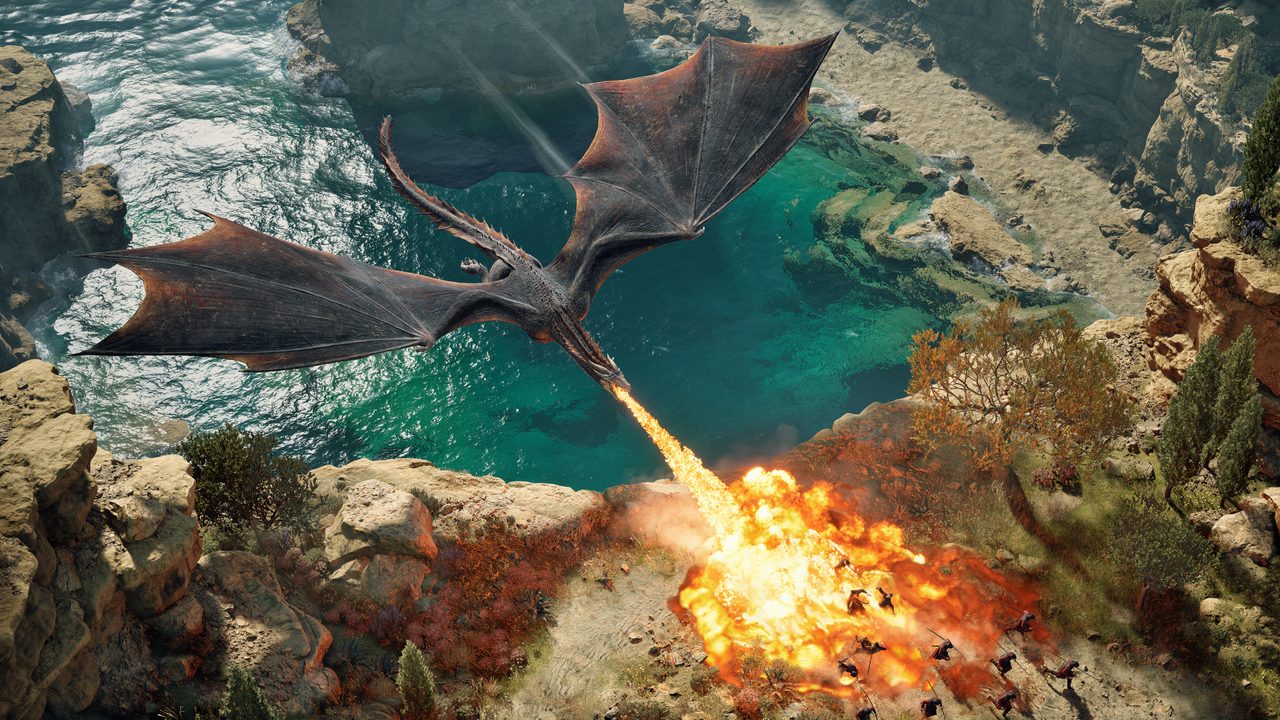
When diving into a world as complex and dramatic as Game of Thrones, one expects an experience that mirrors the epic scope and character depth of the source material. Yet, stepping into Game of Thrones: War for Westeros, an RTS built around the saga, the feeling is less a triumph and more a thoroughly competent, if uninspired, exercise in strategy.
The biggest sticking point, perhaps, is the timing. While the original saga delivered phenomenal television, the game lands in a space that feels somewhat adrift. We are presented with a fight for the Iron Throne, but the surrounding cultural context feels a little thin. HBO is currently focused on its ongoing narratives, navigating the complex waters of House of the Dragon and the brisk pace of A Knight of the Seven Kingdoms, leaving the market somewhat hungry for a fresh, unique adaptation.
Instead of delivering something new or immediately current, the game anchors us firmly back into the historical conflicts of Westeros. We command small figures, listen to narration from beloved characters like Charles Dance, and manage resource gathering while building mines. These touchpoints, though familiar, don’t quite ignite the excitement needed to pull us into the fray.
The core issue lies in the design philosophy. While Game of Thrones provided us with gargantuan, sprawling pitched battles that defined epic conflict, this RTS leans heavily on the mechanics of games like Age of Empires or The Battle for Middle-earth 2. This foundation, while functional, fails to play to the inherent strengths of the source material.
The gameplay centers on resource management, building structures to generate troops, and territorial capture. Conflicts are typically fought between generic units—squads of spearmen, swordsmen, and Night’s Watch warriors—lacking the unique flavor that made the original conflicts so memorable. While fortifications and siege engines are available, the resulting battles rarely reach the titanic, messy scale of the legendary clashes we associate with the saga.
The available factions, notably the Starks and the Lannisters, offer some asymmetry. The Starks can field direwolves and Night’s Watch troops, while the Lannisters have an economy-focused debt mechanic. However, these differences, while present, are not overwhelmingly exciting. It is difficult to feel pumped about one faction needing slightly more gold to recruit marginally better swordsmen.
Ultimately, the experience is very straightforward. The aesthetic is plain, and while there are special mechanics, they often fall flat. The game provides tactical skirmishes, but it lacks that obvious, irresistible hook that makes a story resonate. For players seeking a truly unique spin on epic conflict, the game feels safe and predictable.
If you are looking for something deeply traditional, titles like Age of Empires 4, Age of Mythology: Retold, or Tempest Rising offer far more depth and engagement. While the skin of Game of Thrones provides some visual flavor, it is not enough to carry the weight of such an epic world. Perhaps future updates will inject the necessary theatricality, but for now, the game remains a solid, if unspectacular, historical simulation.
Buy on Amazon
Credit