GPU supply crisis prices are about to explode
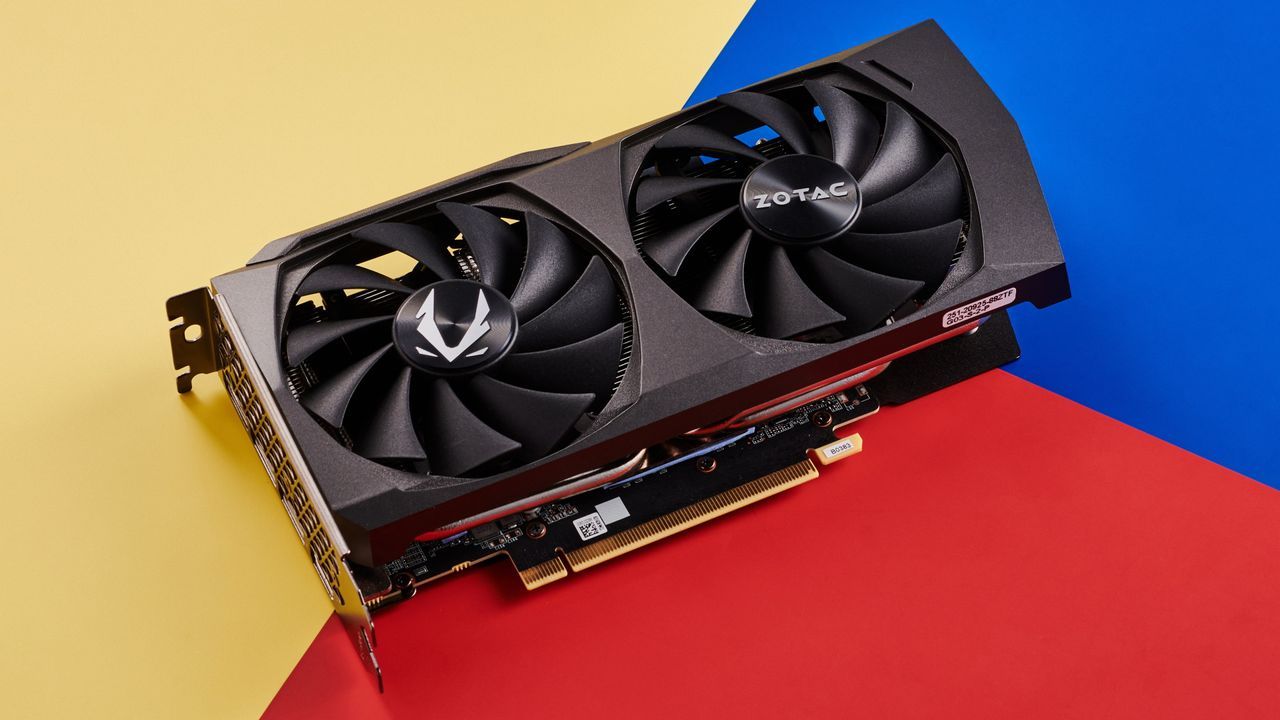
The relentless pursuit of cutting-edge graphics cards is currently colliding with a harsh reality: the supply chain is tightening, and the pricing pressures are set to escalate. What started as routine tracking of hardware prices has quickly morphed into a high-stakes narrative about scarcity, manufacturing bottlenecks, and the future cost of gaming technology.
Industry insiders are signaling that the coming months will bring even greater constraints. Major manufacturers, including PC Partner—a key producer for brands like Zotac, Inno3D, and Manli—are hinting that the supply of graphics cards is going to get significantly tighter, suggesting that the current market conditions are only the prelude to more serious shortages.
This supply crunch won’t affect the high-end enthusiasts alone. The most vulnerable segment appears to be the entry-level cards. As supply lines falter, it is expected that the most affordable GPUs will face the most severe price hikes, creating a difficult landscape for mainstream gamers trying to upgrade their systems.
The concern is compounded by the dynamic between competing hardware giants. While premium cards, such as the Nvidia RTX 5060 Ti 16 GB and RTX 5070, are already commanding prices around the $800 mark, the fear is that the more accessible spectrum will soon follow suit. Experts are watching closely for a scenario where entry-level cards might see prices spike dramatically.
The difficulty extends beyond the graphics chips themselves. Reports indicate that the supply chain is struggling with more than just the GPUs. Manufacturing processes for essential components, such as PCBs and power componentry, are also experiencing long lead times, adding another layer of complexity to the production timeline.
Furthermore, the pressure is not solely focused on Nvidia. Since PC Partner is also a contract manufacturer for Sapphire, a major producer of AMD graphics cards, the supply constraints also impact the competition. If the supply of AMD cards is similarly restricted by component shortages, it could leave gamers with fewer alternatives in the race for new hardware.
Ultimately, the situation raises a significant question for the gaming community: what does this mean for the average consumer? The concern is that if the price curve continues to climb, the cost of essential gaming hardware could rapidly outpace expectations, making the pursuit of a powerful new GPU a much more expensive endeavor.
Buy on Amazon
Credit