GTA 5 gang notoriety makes them murder everyone
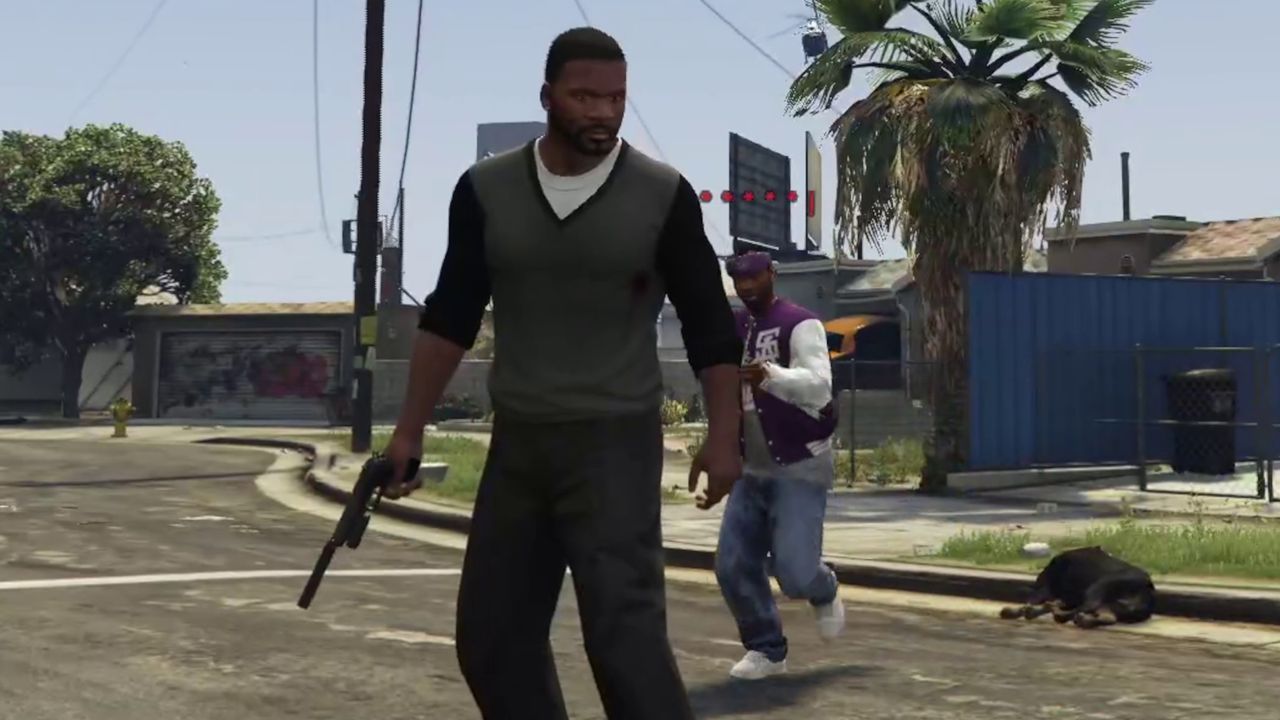
In the sprawling, chaotic world of Grand Theft Auto 5, real-life gang dynamics often clash with the in-game philosophy of “live-and-let-live.” Yet, the behavior of these criminal organizations in the game rarely reflects the complex, often unforgiving, realities of the street. This is where the simulation can become a fascinating laboratory for social theory, and a recent experiment in Grand Theft Auto 5 proved to be an illuminating test of gang relations.
To explore this dynamic, a player introduced a custom modification known as Gang Notoriety. The goal was ambitious: to force gangs to experience sustained anger and consequence, mirroring how law enforcement operates, rather than maintaining a state of passive tolerance.
The premise was simple: gangs should accrue wanted levels and notoriety much like the police do, creating genuine, escalating tension. The modification aimed to change the social contract within Los Santos, making criminal interactions carry a tangible weight of consequence.
The test involved teleporting to Grove Street and initiating confrontations with members of the Ballas. The immediate effect was visually striking. The minimap instantly filled with thousands of red and orange rings, each marking a gang member who was intensely cross with the player, ready for retribution. A personal wanted star also materialized, blurring the lines between the player and the criminal element.
But the true innovation lay in the subsequent social fallout. Rather than reacting with the expected grudging acceptance, the assembled Ballas quickly lost their focus on the player and began shifting their attention inward. The initial antagonism transformed into mutual suspicion and conflict. Members began seeking out and attacking each other, demonstrating that the notoriety had fractured the gang’s internal cohesion.
The chaos continued as internal strife erupted, even leading to unpredictable situations, including one member deploying a rottweiler that seemed equally confused by the escalating melee. While the frictionless vehicles of Los Santos continued their ceaseless movement, the focus of the criminal element had shifted entirely away from the outside threat and toward internal survival.
Ultimately, the experiment demonstrated that imposing external consequence on criminal groups can fundamentally alter their social structure. The immediate, visceral reaction to conflict was replaced by a more complex internal negotiation. The notoriety didn’t foster forgiveness; instead, it created a new, more volatile reality for those operating within the game’s simulation.
Buy on Amazon
Credit
