GTA London 1961 Cockney Innuendo and Street Hardness
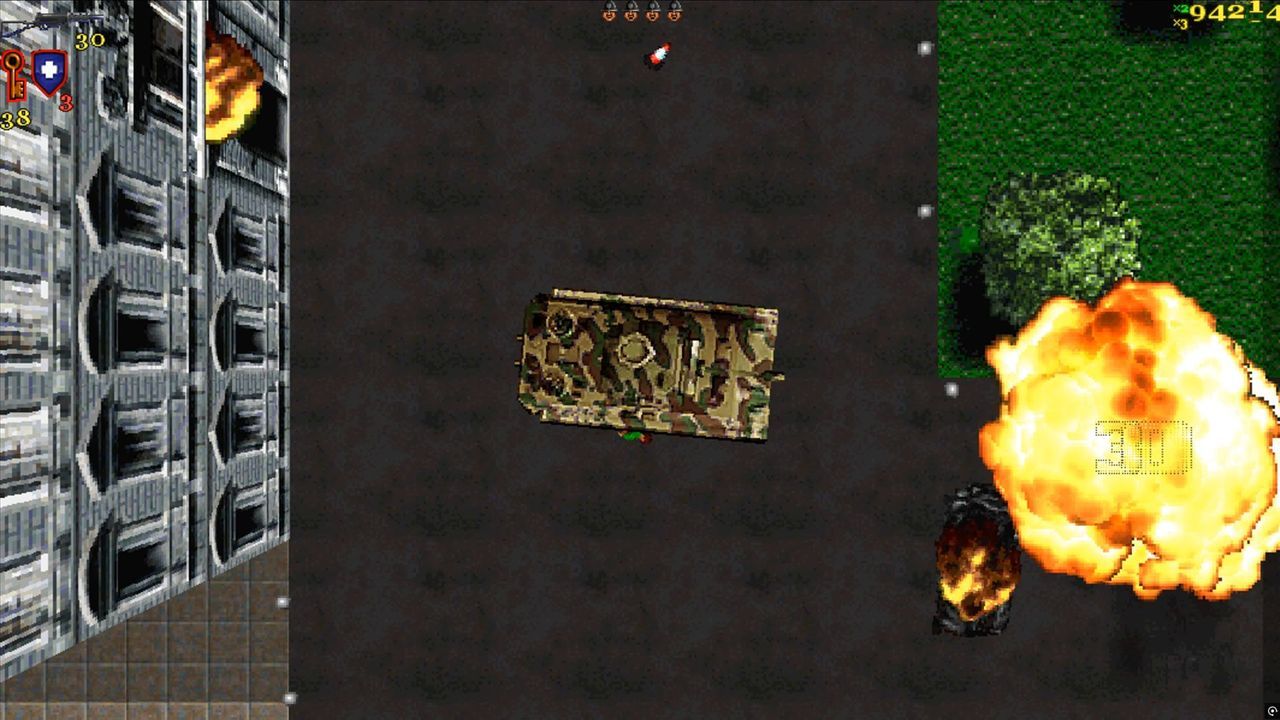
The world of Grand Theft Auto is a sprawling monument to open-world freedom, but looking back at its early days reveals a peculiar history—a time when even the expansion packs carried a certain unpredictable charm. For series veterans, the memory of the golden age of Rockstar expansion packs is a warm, nostalgic echo of an era that, while demanding, built a unique kind of gaming legacy.
We’re talking about a time before everything was perfectly streamlined. The original Grand Theft Auto already pushed players to their limits, forcing them to blend the nascent open-world structure with the tight constraints of arcade-style lives and scorechasing. But the true peculiarity emerged when the series birthed games like GTA: London 1961, which introduced mechanics that were less about smooth cruising and more about frantic, high-stakes time management.
GTA: London 1961, in particular, was a masterclass in punishing design. The developers decided that time and crime should be tightly interwoven, imposing mission timers so unforgiving they tested the patience of even the most seasoned player. Imagine the frustration: a sprint from East Bermondsey to West Southwark, or a rush through the City of London, all ticking down against you. The game demanded not just skill, but perfect, lightning-fast execution, forcing players to be a master of dodging and route optimization just to keep up with the clock.
The atmosphere of these missions was equally charged. The narrative delivered with a wry, almost cynical edge—a line like, “You blew it, you nob!” perfectly captured the high-stakes, chaotic reality of the criminal world. Players navigated these scenarios, attempting to balance the sheer chaos of the action with the relentless ticking of the clock, feeling like they were constantly juggling a dozen impossible demands.
Some of the most memorable moments involved elaborate, if absurd, criminal pursuits. Whether it was the temptation to use a red bus to block the Thames delivery crane or attempting a high-octane chase through Hyde Park, the gameplay was a dizzying mix of anarchy and precise timing. These systems, while frustrating, provided a unique flavor to the experience, pushing players to think on their feet in truly chaotic situations.
Yet, this period of frustrating mechanics also fostered an incredible sense of community ingenuity. In the spirit of do-it-yourself gaming, a kind traveller named Duckilous stepped in to address these restrictive timers. He shared simple instructions, carving out just a few extra seconds per mission—a seemingly small adjustment that proved transformative.
These modifications allowed players to breathe. That extra inch of breathing room meant having time to actually read the objectives before launching into the chase, adding layers of narrative depth that the original design had inadvertently suppressed. It transformed a frantic dash into a more thoughtful, albeit still frantic, adventure.
By simply granting players more time, the experience shifted. They could tackle more objectives, access deeper missions, and engage with the rich, absurdist prose of the world more fully. The frustration melted away, replaced by the satisfaction of overcoming a challenge that was, ultimately, just a little bit less punishing. It was a testament to how community collaboration can refine even the most stubborn pieces of digital history.
Buy on Amazon
Credit