GTA VC and GTA III return to web browsers 100 FPS gaming
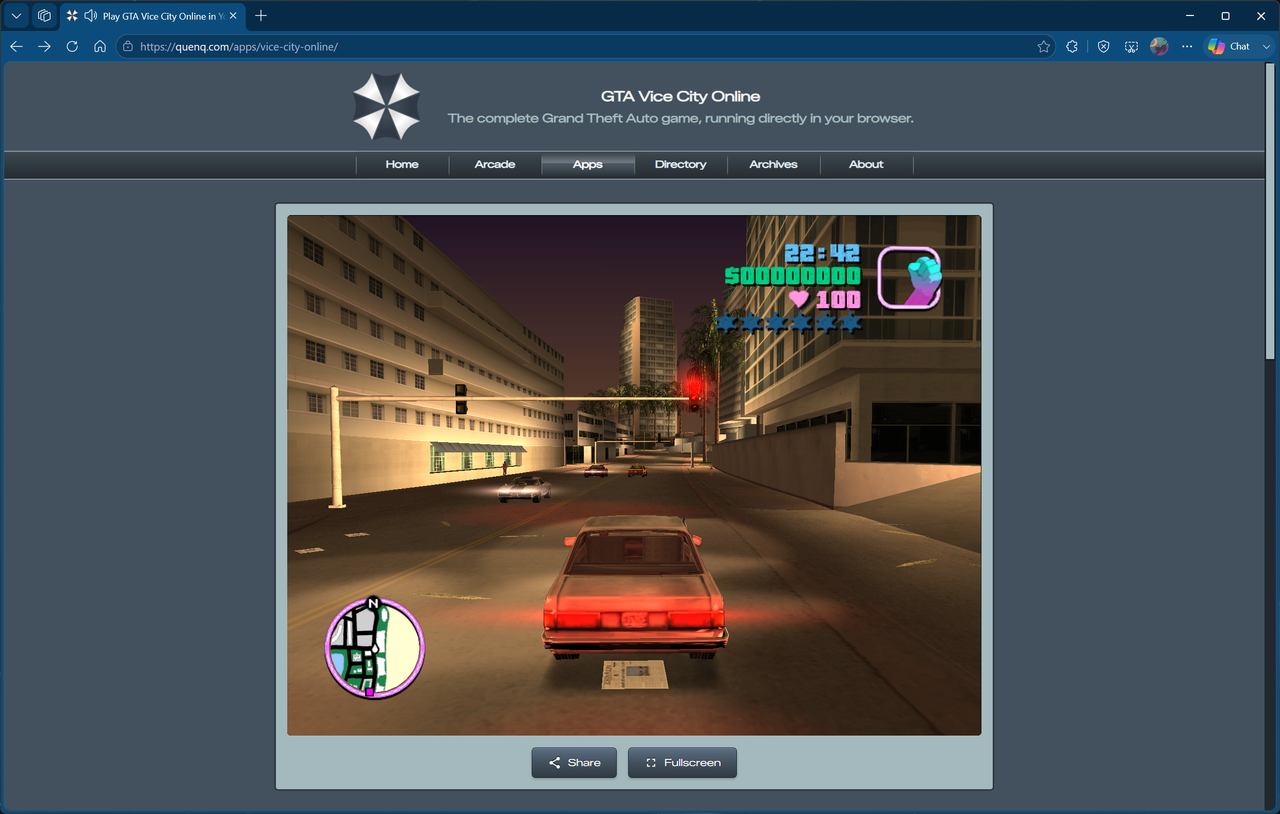
The Digital Resurrection of a Legend: How GTA Vice City is Thriving in the Browser
Few video games possess the cultural weight of Grand Theft Auto: Vice City. Released in 2002, the title quickly became a cornerstone of gaming history. Fast forward to today, and this iconic world has undergone a remarkable digital renaissance, moving beyond console and PC boundaries to thrive directly in the browser. This evolution isn’t just a technical feat; it’s a testament to community ingenuity and the enduring power of classic gaming.
What began as a concept, now realized, demonstrates how history can be reinterpreted in the digital age. The journey from demanding Pentium 3 processors to running smoothly in a modern web environment showcases an incredible leap in technological capability. The goal is simple: bring back a legend, updated and accessible for everyone, regardless of their hardware.
The modern iteration of the game is powered by sophisticated community projects that tackle the complex challenge of porting decades-old code. At the heart of this revolution is the use of tools like reVC, a community-driven effort to decompile the original source code of GTA: Vice City into clean, readable C++ code. This is then translated using WebAssembly, allowing the game to execute natively within the browser environment.
This approach bypasses traditional limitations. By leveraging WebGL 2, the game communicates directly with the graphics processing unit (GPU), executing demanding visual tasks efficiently. It is a perfect example of how modern web technologies can breathe new life into vintage intellectual property.
The excitement extends beyond the technical specifics. Players are now enjoying unparalleled flexibility. Compatibility extends far beyond standard keyboard and mouse controls; the game supports touchscreen input, allowing players to seamlessly navigate the world in both landscape and portrait orientations. This accessibility is further enhanced by integrated tools, including save game and mod managers, empowering users to manage their progress and customize their experience directly within the browser.
This groundbreaking initiative isn’t isolated. The principles behind this project are being applied to other classics. For instance, the same technical architecture is powering the online experience for GTA III, which is also accessible through the same ecosystem. This ability to re-engineer classic titles showcases a powerful convergence of history, coding, and modern web development.
While the distribution landscape for classic games has often been fraught with complex copyright issues, the emergence of platforms like Quenq demonstrates a new way forward. These community-driven projects offer a compelling alternative to traditional publishing methods, proving that digital preservation and creative reinvention can coexist successfully. The story of GTA: Vice City online is not just a gaming update; it is a compelling narrative about technology, ownership, and the enduring magic of classic entertainment.
Buy on Amazon
Credit