
Hall Effect optical Topre switches are changing keyboards how to pick yours
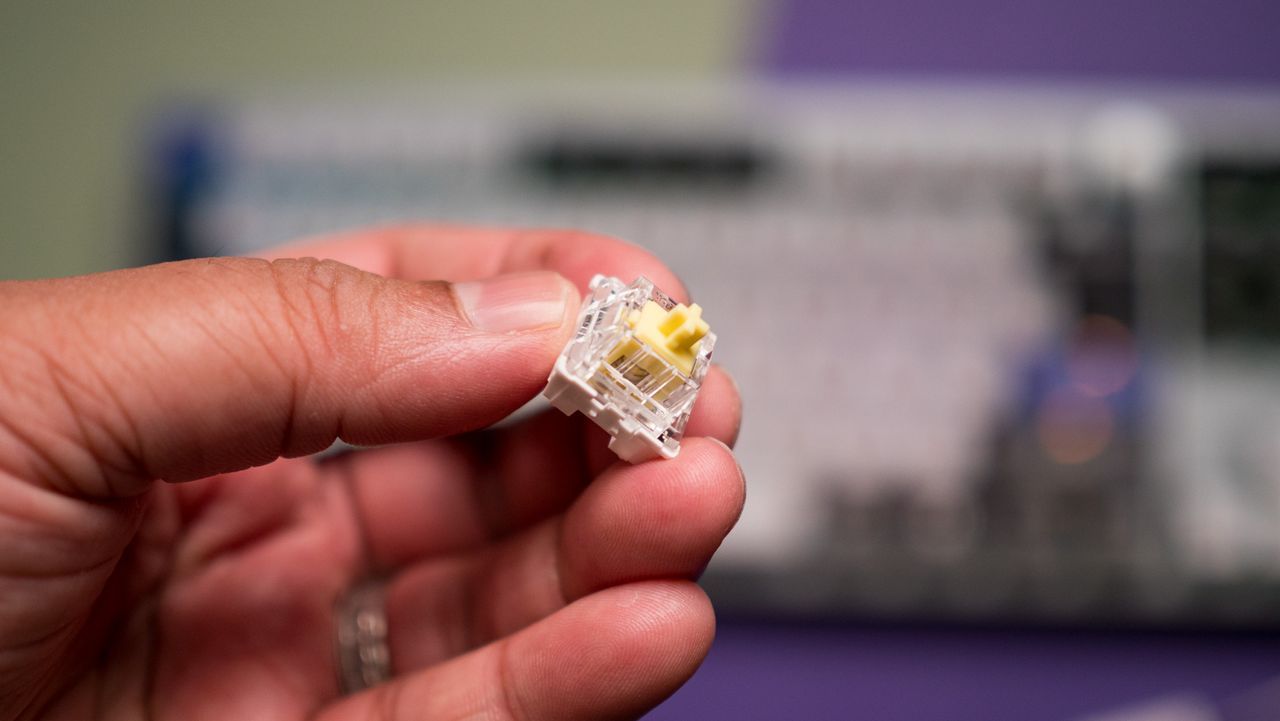
Keyboard switches used to be an enthusiast’s secret. If you were deep in the gaming or typing world, you knew exactly what you wanted and sought it out. But those days of specialized knowledge are rapidly fading. Today, the hardware landscape is shifting faster than a mechanical keyboard can type a sentence.
The market is exploding with new technologies—including Hall Effect and optical switches—that are pushing mainstream adoption across gaming peripherals and even for everyday office work. This rapid evolution means that choosing the perfect keyboard in 2026 might feel like a confusing endeavor, requiring a deeper dive into the shifting world of actuation, sound, and feel.
To cut through the noise, we need to understand the main types of switches available. At the foundation of modern keyboards are mechanical switches. These rely on a stem compressing a spring and metal contacts completing a circuit every time a key is pressed, allowing for that satisfying physical feedback.
Mechanical options typically fall into three main personality categories:
Linear Switches
Linear switches offer the smoothest travel from top to bottom, without any noticeable bump or click. They are prized by PC gamers for their speed and consistency, making them ideal when rapid, consistent keystrokes are essential.
Cherry MX Red and Black are the most famous examples, but variants like Speed Silver and Silent Red offer options for quieter operation. For gaming, linearity means a smooth, consistent experience where performance is king.
Tactile Switches
Tactile switches strike a balance, offering a small, noticeable bump when the key is actuated, letting you know exactly when a keystroke has registered without the noise of a click. Cherry MX Brown is the quintessential tactile switch, beloved by both gamers and typists who appreciate that subtle physical confirmation.
Clicky Switches
Clicky switches are for those who want maximum audible feedback. They feature that tactile bump followed by a distinct, loud click. While some users enjoy this retro sound, the noise can become quite distracting in shared environments over time. Cherry MX Blue is the classic example, though other variants like Green and Ultra Low Profile exist.
Beyond mechanical designs, newer technologies are reshaping the industry:
Optical Switches
Optical switches ditch metal contacts entirely. Instead of physical contact, they use a beam of infrared light that is interrupted when the key is pressed. This method offers superior durability and faster response times, often allowing for features like adjustable actuation to fine-tune how far you have to press to register a keystroke.
Hall Effect Switches
Hall Effect switches introduce magnetic sensing, eliminating physical contacts completely. A magnet in the switch stem interacts with a sensor to measure movement, allowing for incredibly precise customization—down to 0.1 mm actuation distances. This high level of customization and reduced wear means Hall Effect is rapidly becoming the preferred choice for performance-focused PC gamers.
For those who prioritize typing comfort above all else, switches like Topre offer a unique solution. These capacitive switches combine a rubber dome and spring, providing a softer, less fatiguing feel that many long-time typists find exceptional, even if they come at a higher price point.
So, which one should you choose? The answer depends entirely on your priorities:
Competitive PC gamers often lean toward the precision and durability of Hall Effect or optical switches. For the majority of users, classic mechanical options—be it linear for speed, tactile for confirmation, or clicky for flair—remain perfectly viable, offering excellent customization without breaking the bank.
Professional typists and programmers should focus on comfort and longevity, where a reliable tactile mechanical switch or high-end Topre option delivers the perfect blend of durability and fatigue reduction. If budget is the main constraint, don’t overlook quality membrane options, but be warned: they simply won’t provide the same long-term satisfaction as the advanced technologies discussed here.
Buy on Amazon
Credit