
Windows Update Drama Should it be Windows 12
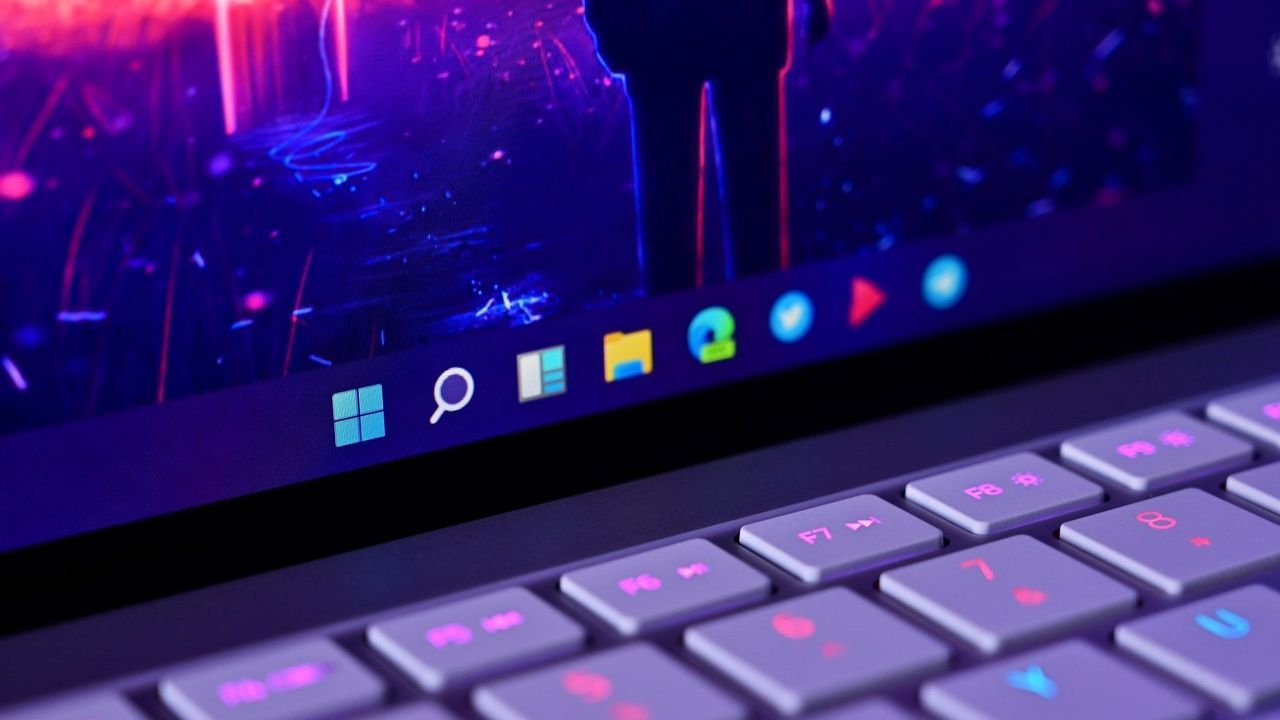
The anticipation is building. As we approach the next major refresh cycle for Windows, much buzz centers around promises of sweeping improvements aimed at silencing some of the operating system’s most persistent complaints.
Microsoft is clearly working behind the scenes, refining elements like the taskbar and the Start menu. These cosmetic yet crucial upgrades are in the final stages of testing, signaling a significant overhaul that could finally address years of user feedback.
But this raises the perennial question: should these changes warrant a full rebranding to Windows 12?
While it’s tempting to jump to a new number, the architectural reality is often more subtle than expected. When comparing major versions of Windows, the core kernel and underlying codebase remain remarkably stable. We have moved far beyond eras defined by drastic architectural changes that made old software completely incompatible.
The real debate isn’t about swapping code; it’s about the quality of the user experience. Is a refreshed interface enough to justify a name change, or is there more to consider?
Windows 11 arrived with controversy. It introduced changes—from stringent minimum hardware requirements like the TPM 2.0 mandate to overhauls of familiar elements like the taskbar—that drew considerable criticism. These decisions created friction for millions of users who simply wanted an upgrade.
If we look at the potential for Windows 12, the focus should not be on trendy gimmicks but on shedding those lingering imperfections. A successful new OS would focus on smoothing out the rough edges left by prior iterations and delivering genuinely useful improvements.
There is a risk that the upcoming evolution might simply chase the latest trend. The current push toward Copilot+ PCs suggests Microsoft might prioritize an AI-centric experience in Windows 12, potentially overlooking fundamental polish for novelty.
A truly impactful Windows 12 would focus on fixing the foundational issues that have plagued the operating system over time. It should address UI inconsistencies and remove unnecessary hurdles, allowing users to finally enjoy a seamless, reliable experience without feeling like they are jumping into an entirely new world based purely on marketing.
Ultimately, the next major step in Windows evolution needs to prioritize refinement over revolution, ensuring that future updates deliver tangible quality improvements rather than just a fresh coat of paint.
Meanwhile, for those looking to upgrade their hardware experience right now, the XPS 14 remains an outstanding choice, offering premium design and excellent performance at a very competitive price point.
Buy on Amazon
Credit