
Hit markers are an unfair FPS crutch
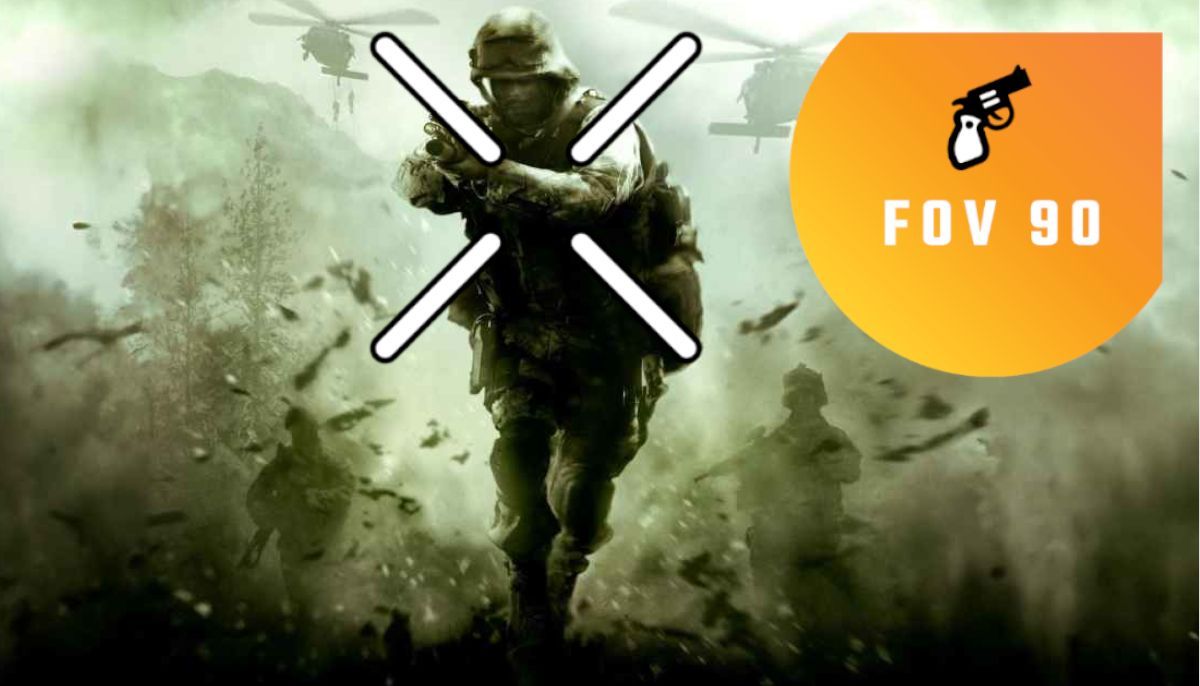
You’ve been shot. You landed the hit. Now, where is the proof?
In the world of first-person shooters, the humble hit marker—that little glowing X or glyph confirming a successful shot—is an omnipresent fixture on the screen. It’s supposed to be simple communication: you hit your target, and the game tells you. But while these markers offer immediate feedback, they introduce a fascinating tension between functionality and immersion that has been defining FPS design for over a decade.
For many years, this visual cue was the undisputed champion of shooter UI. It became instantly iconic, particularly through series like Call of Duty 4: Modern Warfare, where the gratifying “thwip” sound and visible markers were celebrated as essential. Yet, this shift introduced a subtle paradox: the developers who popularized the mechanic often intended it primarily for competitive multiplayer settings, leaving single-player campaigns strangely without them.
The argument against the ubiquity of hit markers boils down to clarity. In a cinematic single-player experience, true immersion comes from intuitive feedback—what you see and hear should reveal the action, not force you to stare at a UI element. Earlier games mastered this by employing impact animations, blood spurts, and visceral wound effects. When an enemy was struck, the target itself reacted, providing immersive feedback that felt like “show, don’t tell” filmmaking.
This philosophy shone brightly in classic titles. For instance, Halo: Campaign Evolved relied on the flickering of an Elite’s energy shield or a grunt’s demise to signal success—it was diegetic feedback that made the action feel organic. Similarly, Gears of War: E-Day delivered impact through gory blood eruptions upon hitting a foe, creating a visceral sense of consequence that felt far more engaging than any floating marker.
The trend toward hit markers shifted the focus from physical reaction to digital confirmation. While they undeniably serve network and competitive purposes in PvP by clearly communicating projectile paths, critics argue they introduce an unnecessary layer of artifice. In the heat of a tense match, these visual cues can become distracting, pulling attention away from the environment and diminishing the overall sense of presence.
The difference between optimal feedback and visual clutter is stark. Newer iterations are balancing this debate. Some titles, while incorporating markers, still struggle to deliver the same level of intuitive realism found in earlier designs. A comparison of modern experiences reveals a noticeable tonal shift:
The raw, visceral animations and environmental reactions seen in titles like Left 4 Dead 2 remain a benchmark for how to convey impact through spectacle. The way zombies react, splatter blood, and ragdoll with genuine weight creates an atmosphere that hit markers simply cannot replicate.
In contrast, newer trends seem to opt for the marker over the mechanic. While some games have embraced visual cues for player guidance, it remains a fascinating ongoing debate: are hit markers a useful tool for multiplayer coordination, or merely a distracting concession that sacrifices the depth of true sensory feedback?
Buy on Amazon
Credit