Double VRAM creates a budget AI powerhouse
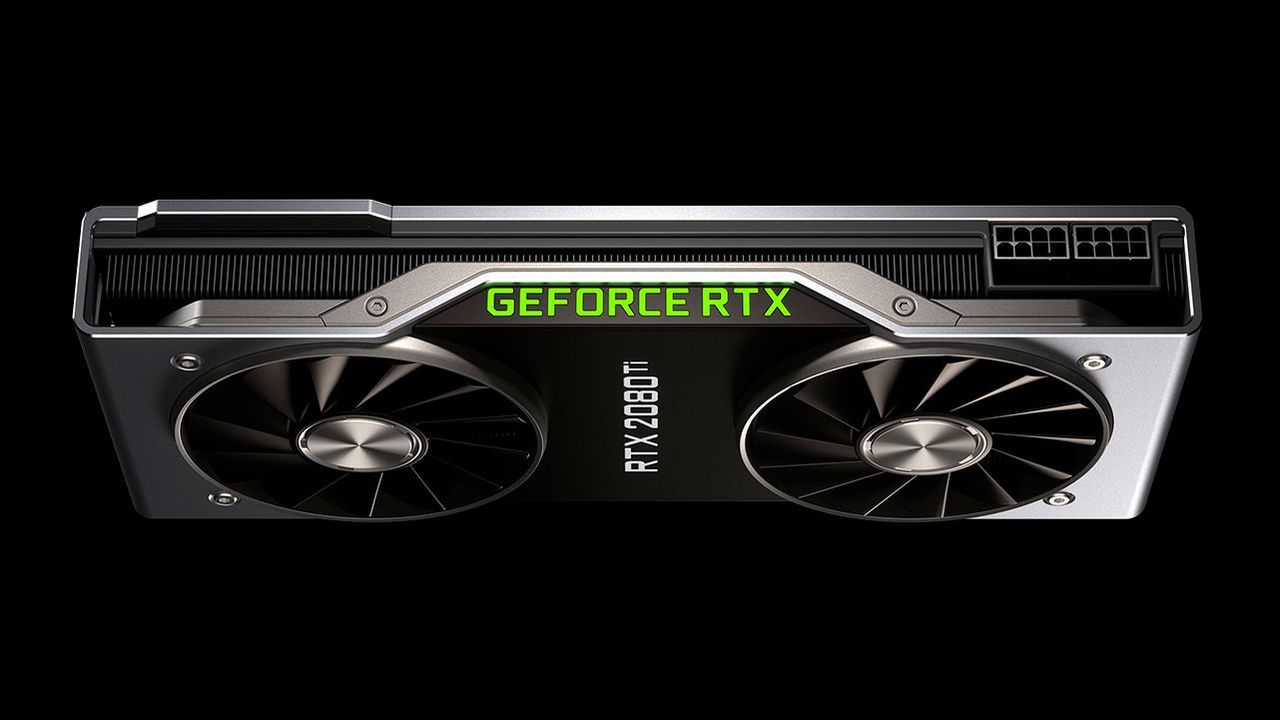
The NVIDIA GeForce RTX 2080 Ti isn’t just a graphics card; it’s a legend in the hardware modification community, primarily due to its unique memory configuration. This particular card, with its initial 11GB of VRAM, has become the perfect canvas for enthusiasts looking to push hardware boundaries through ingenious modifications.
The goal for many users is simple: to double the memory pool. By cleverly reconfiguring the card, it is possible to extend the memory capacity to a massive 22GB. This isn’t simple plug-and-play; it involves deeper intervention, requiring physical adjustments to the PCB’s strap resistors to support a new BIOS, turning a standard gaming card into a potent AI workhorse.
This modding trend is flourishing globally. We’ve seen operations taking place in China and the UAE, but the services are increasingly spreading. Now, a vendor based in Japan is offering these specialized services, demonstrating a growing international ecosystem dedicated to GPU reconditioning and memory expansion.
The supply chain for this kind of upgrade relies on finding suitable memory modules. One vendor recently secured a shipment of 2GB GDDR6 modules made by Samsung, which provided enough extra VRAM to boost multiple RTX 2080 Ti cards. This haul included 200 modules, supplying 400GB of extra capacity, enough to upgrade 36 cards to the 22GB configuration.
The economics of this operation are surprisingly accessible. The service cost for this physical modification ranges from $282.48 to $25.68 per gigabyte of added VRAM. Given that pre-modded versions of the RTX 2080 Ti are readily available for under $250 on the secondhand market, achieving a fully modified 22GB card costs just over $500 in total.
For some, buying a pre-modded unit is the easiest route. However, for those who already own an RTX 2080 Ti and are focused on leveraging its power for machine learning and AI tasks, the option to upgrade the VRAM offers a compelling alternative. While increasing VRAM doesn’t dramatically impact traditional gaming performance—as the 2080 Ti’s core silicon often becomes the bottleneck—it is transformative for AI workloads.
In AI training and inference, having a large memory pool is critical. An RTX 2080 Ti is already powerful for these tasks, but the memory limitation can hold back larger models. For those with a larger budget, the appeal of a card with significantly more VRAM, such as a 44GB RTX 2080 Ti, becomes much more enticing for professional developers.
Despite the expanded VRAM, it is important to note that memory bandwidth remains locked at 616 GB/s post-upgrade. This means that while the card can hold more data, speed-intensive tasks will not see a noticeable boost. Ultimately, this modification is less about gaming and more about unlocking the potential for serious computational power in the age of artificial intelligence.
Buy on Amazon
Credit