Homemade chips corner China’s semiconductor market
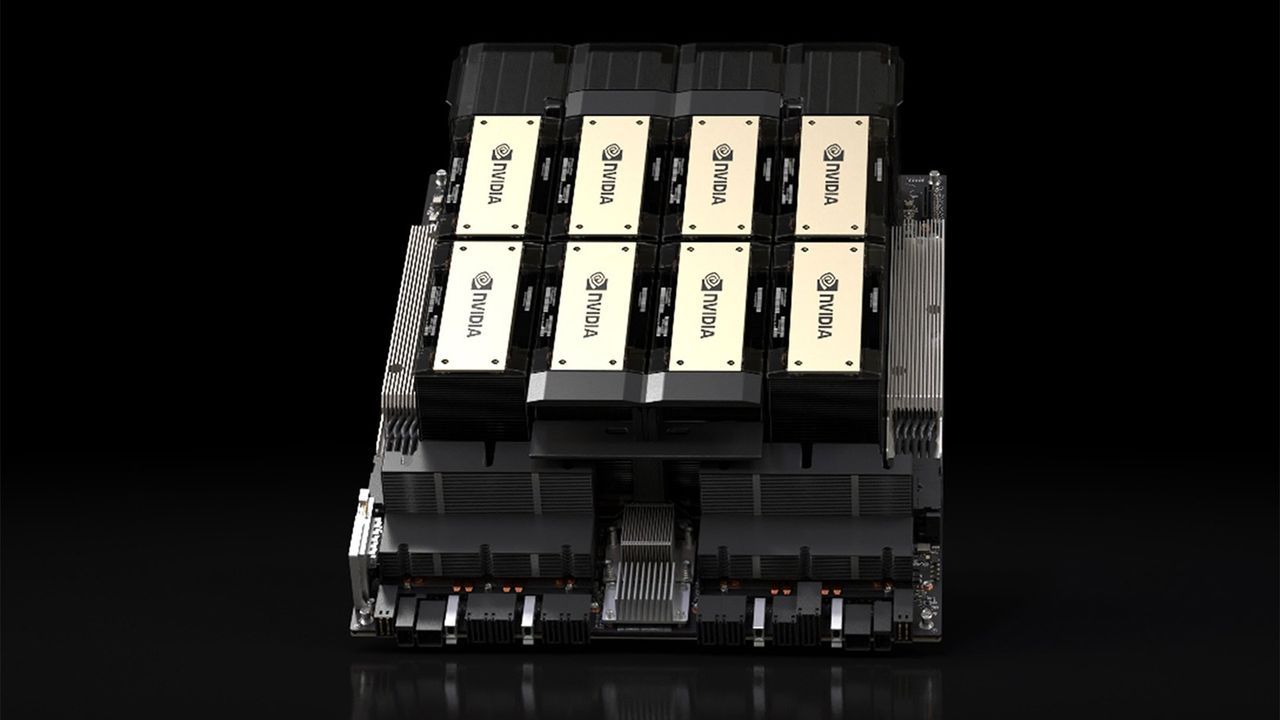
ByteDance and Tencent recently took delivery of approximately 10,000 Nvidia H200 accelerators, marking a significant, albeit tightly controlled, movement of advanced chips into mainland China. This delivery represents the first tangible step in allowing these high-performance GPUs into the market since the export rules were recently adjusted by the U.S. administration.
However, these shipments are far from a simple transaction. Each move is subject to rigorous, case-by-case approval from China’s National Development and Reform Commission, ensuring that these transfers adhere to a unique licensing regime designed to manage sensitive technology flow. While U.S. rules mandate that chips must pass through U.S. territory for inspection, China implemented its own system, using the 10,000-unit allocations as quantity caps—a mechanism mirroring the export restrictions used in previous semiconductor policies.
This regulatory duality highlights a complex geopolitical maneuver. In response to previous concerns regarding security and state control, the Chinese government established its own oversight process to mirror the American system, turning export rules into a layer of domestic administrative control.
The dynamic between the two powers is deeply intertwined with the broader race for artificial intelligence supremacy. State-funded data centers were previously restricted from using foreign accelerators, and state media had urged domestic companies to avoid certain foreign chips, citing safety and obsolescence concerns. This context frames the ongoing negotiations over semiconductor access.
The situation is further complicated by the intense domestic competition. While Nvidia’s presence has been substantial, the push for domestic alternatives is accelerating. Supply chain projections indicate that domestic chips are set to capture nearly 90% of China’s high-end AI chip market this year, with shipments growing rapidly.
This shift is mirrored by the push for domestic silicon. While companies like Huawei are increasing production of their Ascend chips, the demand for frontier training capabilities—the kind that powers cutting-edge models—remains a bottleneck.
Inside the high-level discussions, this gap is stark. Leaked investor transcripts suggest that constraints were put in place to manage access to American silicon, ensuring that the limited allocations served specific strategic goals, such as reserving capacity for domestic development efforts. This reflects a calculated effort to manage the flow of advanced technology.
The Nvidia H200, with its advanced HBM3e memory and performance, fills a crucial gap. A cluster of these GPUs provides the genuine frontier-training capacity needed for the most ambitious AI labs, yet the controlled flow suggests a policy balance: allowing some access while maintaining control over the most critical research capabilities.
Ultimately, the easing of export restrictions and the measured deliveries of advanced chips reveal a carefully calibrated policy. While the market is increasingly favoring domestic chipmakers, the complex interplay of trade rules, technological dependence, and national security concerns continues to shape the landscape of the global AI silicon market.
Buy on Amazon
Credit