How PC packaging fought back against the media killing trend
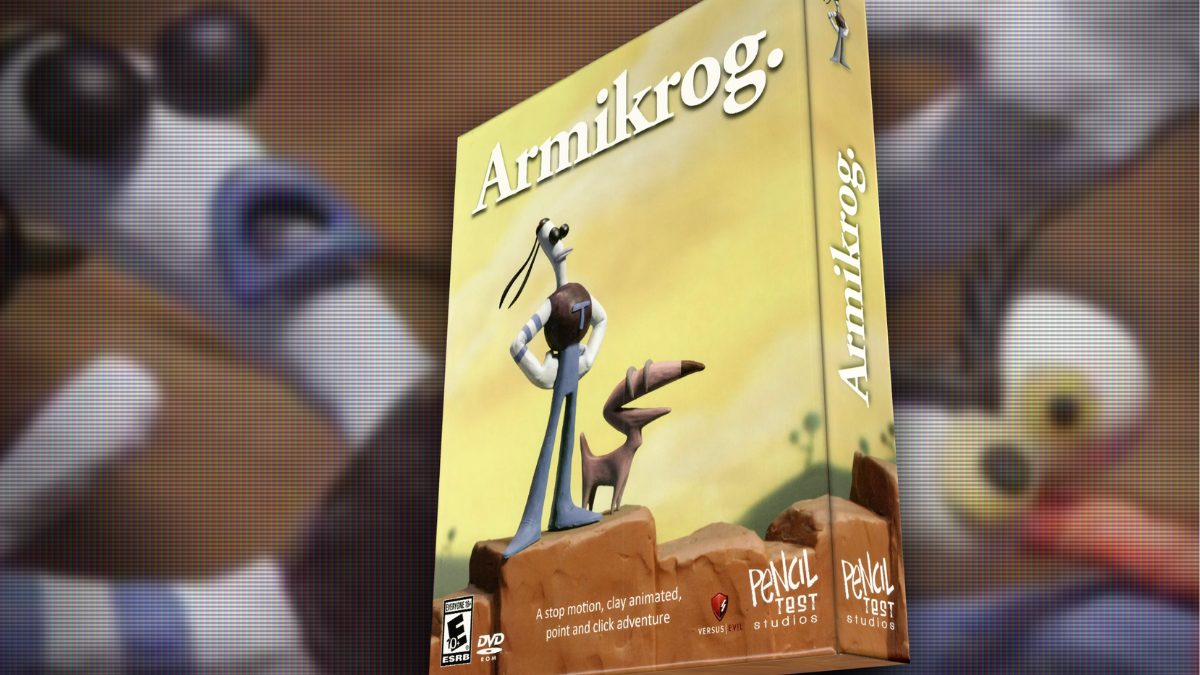
Do you remember the thrill of opening a massive cardboard box? In the nineties, game ownership wasn’t a click; it was a physical experience. These were the “big box” PC games—heavy with art, boasting glossy manuals, and filled with the promise of tangible ownership. They were relics of an era when a game wasn’t just software, it was an artifact waiting on a shelf.
Today, as digital ownership feels increasingly ephemeral and dictated by the whims of streaming platforms and AI algorithms, a nostalgic movement is surging back. People are craving the tactile satisfaction of physical media, and that craving is finding a perfect echo in the art of game packaging.
Enter GOG, which is tapping into this desire for tangible nostalgia by offering a brilliant alternative. Moving beyond mere digital distribution, GOG is collaborating with the fan-operated trove of 3D scans, Big Box Collection, to bring these iconic packages back to life in a completely new dimension.
GOG is now offering these meticulously scanned package designs as part of its GOG Preservation Program. This initiative allows enthusiasts to access flat, printable versions of the original box art for games spanning the golden era. Imagine cutting, folding, and gluing your own physical big box right at home—a true papercraft project for anyone who misses the feeling of filling a shelf with collectible treasures.
The program includes highly sought-after titles like Star Trek: 25th Anniversary and Armikrog, alongside classics such as Descent, Hitman: Codename 47, and Myst, which are already included in the preservation efforts.
This creative approach leverages GOG‘s core strength: DRM-free distribution. Since the platform doesn’t lock down the games, users have the freedom to take the resulting printable art and archive it physically, perhaps by burning the game files onto a CD or DVD, ensuring their collection remains tangible and secure on their own shelves.
It’s more than just a craft project; it’s a philosophical statement. As the landscape of digital media becomes more cynical and exploitative, the return to physical media is a strong indicator of a desire for authentic, concrete ownership.
This shift is supported by market trends. Revenue from CD sales, for instance, jumped 58% in 2026 compared to 2025, demonstrating that the appetite for physical formats is far from dead. GOG’s initiative successfully bridges that gap, offering a unique, engaging way for gamers to connect with their history, turning digital data into physical, collectible art.
Buy on Amazon
Credit