How tech giants manage user choice in the cloud
In the ongoing battle between physical ownership and digital convenience, the conversation around media consumption and device management is heating up. While industry giants like Sony rethink their distribution models and Microsoft explores disc-to-digital programs, the real friction point isn’t about storage capacity—it’s about control.
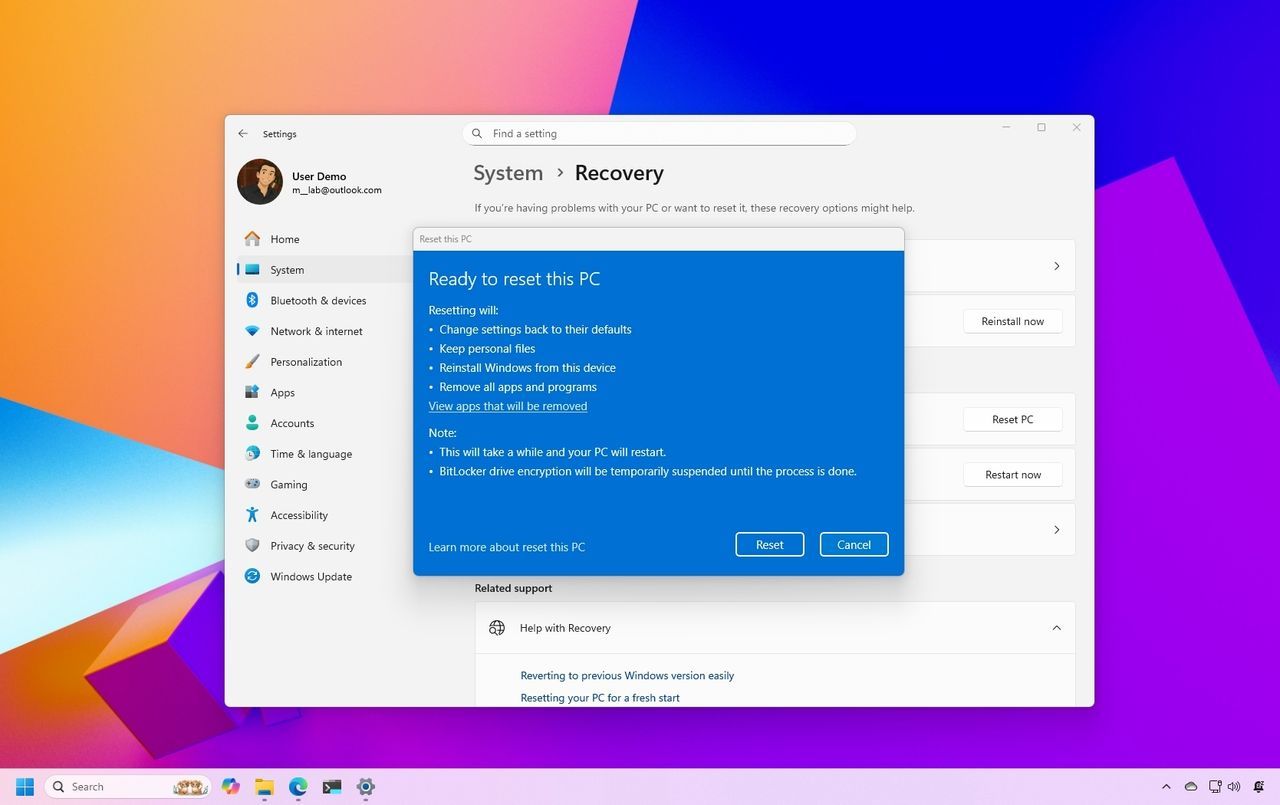
The desire for personal command extends beyond movies and games; it permeates how we manage our technology. This push for autonomy is clearly demonstrated in Microsoft’s latest updates for Windows 11, which offers consumers expanded options for resetting their PCs, giving users a choice between cloud-based recovery and traditional physical media.
This struggle over control perfectly mirrors the wider debate about physical versus digital ownership. Although most game sales have shifted to the digital realm, there remains a strong appetite among many users for the tangible experience of owning physical media—a sentiment that fuels ongoing discussions about preserving content and personal assets.
Microsoft’s management choices reflect this balance. They are offering flexibility, allowing users to decide whether they want recovery tools embedded in the cloud or accessible via local media. For instance, a new feature called Cloud rebuild is currently testing on Windows 11, promising a streamlined way to restore a device.
How does Cloud rebuild work? It allows users to reinstall Windows and install necessary drivers entirely through the internet. Unlike older methods that required setting up an external USB drive beforehand, Cloud rebuild pulls both the target Windows image and device drivers directly from Windows Update. This means your PC can return to a fully functional state without needing custom media or relying on the condition of the currently installed operating system.
When comparing recovery options, there are crucial differences in approach. The standard Reset this PC option allows users to keep their personal files, which is vital for protecting important content. However, it requires a bootable USB drive and mandates that the Windows system must be fully operational.
Cloud rebuild, on the other hand, prioritizes reliability above all else. Since it pulls fresh images through the cloud, it doesn’t depend on pre-set tools or correctly formatted external drives. For users who rely heavily on cloud backups, this method offers a faster and more assured pathway to a clean system.
Ultimately, whether you choose the local reliability of a USB installer or the convenience of cloud recovery comes down to personal workflow. While some prefer physical tools they can physically control, others find the cloud solution superior for their daily management tasks.
The core takeaway is that the debate about physical media and system restoration isn’t just about technology; it’s a fundamental argument for choice and control. Just as consumers want the option to own physical games, they expect options in operating system management that coexist, giving them the power to decide what works best.
Buy on Amazon
Credit
