How Valve changed PC gaming Half-Life and Steam
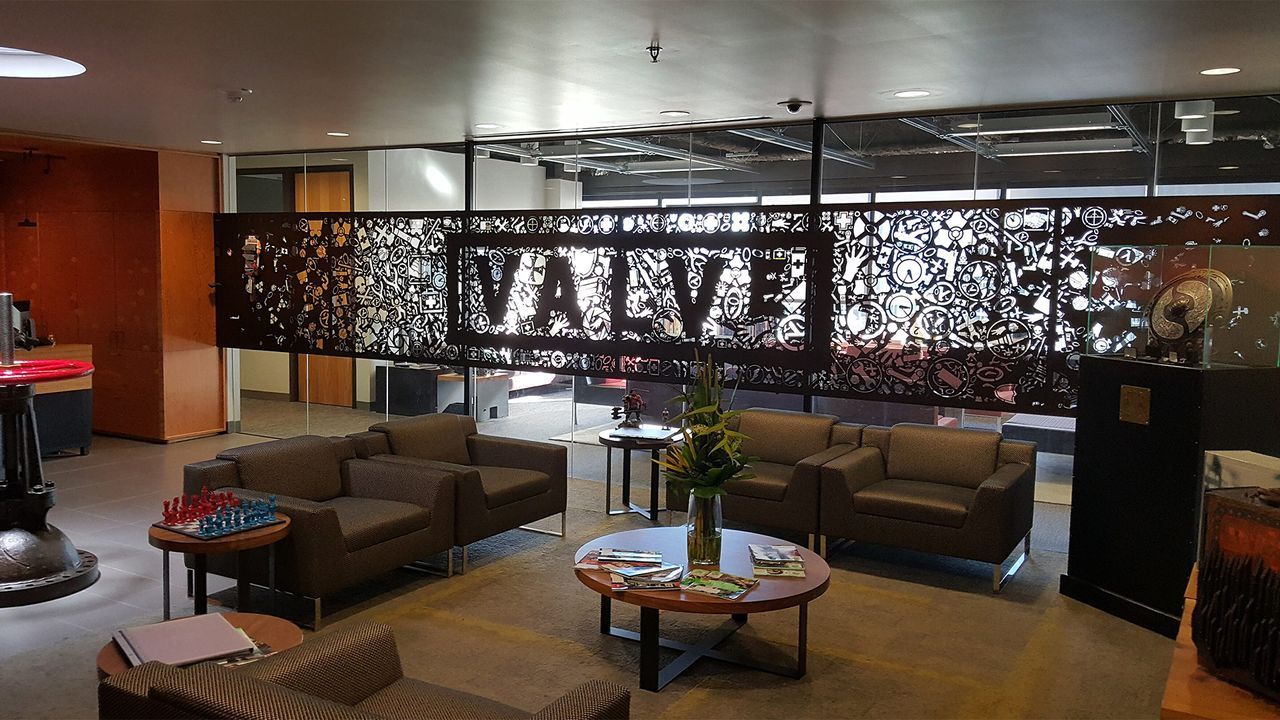
As the world of gaming spins faster than ever, we pause to celebrate a company that has quietly reshaped the digital landscape for three decades: Valve. Marking its 30th birthday, Valve isn’t just celebrating an anniversary; it’s reflecting on a journey that began with an ambitious vision and evolved into a global powerhouse.
The roots of Valve are deeply embedded in the history of large-scale software development. Founded in 1996 by Gabe Newell and Mike Harrington, both seasoned veterans of Microsoft, the founders brought an unparalleled expertise in operating system engineering and large-scale project management. This unique background provided the technical ambition necessary to challenge the established norms of the PC gaming world.
Their impact was immediate and seismic. Just two years after founding the company, they released Half Life, a title that irrevocably altered the landscape of first-person shooter gaming. It moved beyond simple mechanics, introducing sophisticated scripting, intelligent enemy AI, compelling storytelling, and physics-based level design. Half Life shattered the mold set by earlier titles and left an indelible mark on how modern FPS games are designed and played.
Beyond revolutionary gameplay, Valve’s true masterstroke may be the creation of Steam, an online retail platform that transformed how games are distributed. Steam didn’t just sell games; it built a vibrant digital community. It continuously improved with features like automatic patching, cloud saves, achievement systems, and, crucially, the robust ability for users to share and distribute modifications, fostering an ecosystem that rivals the largest competitors.
Valve didn’t stop at distribution; they industrialize creativity. By making the Source Engine accessible and by embracing user-generated content through the Steam Workshop, Valve turned its platform into a boundless playground. The ability for developers and players alike to create mods, with billion-dollar franchises stemming from community-supported modifications, proved that the community was not just a consumer, but a co-creator.
This commitment to open development and community engagement allowed Valve to fend off rival distribution platforms and prevented the game industry from fragmenting into isolated silos. It solidified Valve’s role as an innovator, proving that connecting players and content creators through software is a potent force.
Today, Valve is continuing this evolution, pushing the boundaries further into the hardware realm. While the original Steam Machines sparked an early wave of enthusiasm, the company is now focusing on handheld gaming with the introduction of the Steam Deck. This move signals a desire to reignite the PC desktop experience in a portable format.
The software underpinning this hardware revolution, including SteamOS and the compatibility layer Proton, is rapidly maturing. This focus on accessible, high-performance software support is not just a gaming trend; it represents a significant push in the broader computing industry. As the landscape shifts, Valve’s success in integrating software and hardware is positioning it as a key force in determining the future direction of PC and console gaming, making the entire ecosystem a fascinating place to watch.
Buy on Amazon
Credit