IFA 2026: Wild laptop concepts, monitors, and MacBook competitors
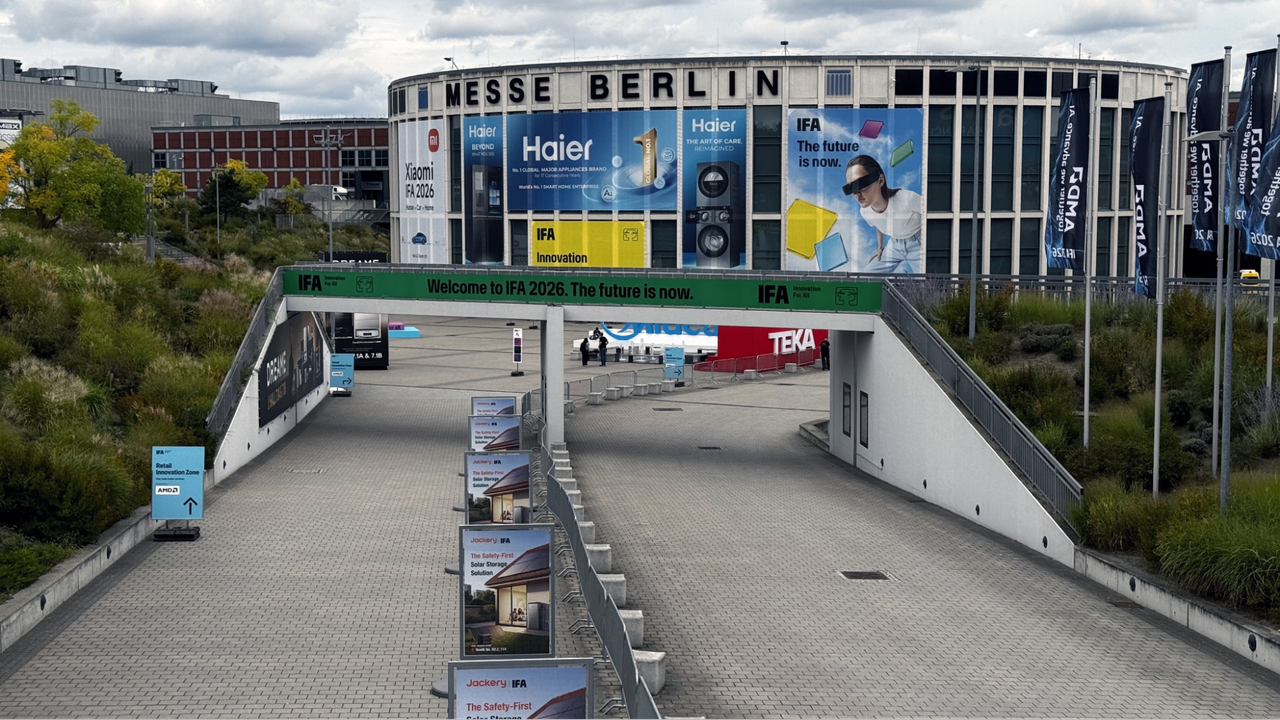
Beyond the Box: How IFA Showcased the Future of AI, Personalization, and Portable Power
When Europe’s biggest technology showcase, IFA, opened its doors, the focus quickly shifted beyond the usual focus on robotics and AI washing machines. Instead, the floor became a vibrant arena for computing hardware, revealing a relentless drive toward personalization, optimized AI performance, and incredible portable innovation.
Laptop manufacturers are clearly adapting to a market shaped by component shortages and the arrival of sleek, powerful alternatives like the MacBook Neo. The trend is moving toward more accessible, mid-range machines that prioritize style and customization. Companies like Dell, Acer, and Lenovo demonstrated this shift by introducing laptops with expanded color options and unique design features.
Lenovo, for instance, took the personalization trend to the next level with the IdeaPad Vibe line. These machines offer seven striking color options, ranging from chill blue to spicy gold, and even allow users to choose interchangeable keycaps for a truly bespoke feel. Starting at just $699, the IdeaPad Vibe competes directly with premium models like the MacBook Neo, injecting significant style into the budget-friendly PC space.
Under the hood, the processing landscape is heating up as Nvidia and AMD vie to bring advanced AI computing to personal devices. Nvidia teased its RTX Spark platform, featuring powerful RTX cores and unified memory options, while AMD has secured device partners for its Ryzen AI Max+ Pro 495 processors, boasting up to 192GB of unified memory. This competitive push highlights the growing demand for integrated, powerful AI systems that can run locally.
Beyond traditional laptops, IFA was home to some truly innovative peripherals. Acer introduced the Nitro XV275U Z2 monitor, which redefined budget gaming displays by offering tri-mode flexibility, high refresh rates, and Mini LED backlighting, all available for an attractive price of $329. This monitor proves that powerful, flexible display technology doesn’t have to break the bank.
In the world of storage, Lexar showcased the Muse portable SSD, demonstrating how far storage technology can shrink. Designed to be magnetically attached to phones, the drive achieves an ultra-thin profile of only 0.15 inches, showcasing ingenious design through custom PCBs and high-density NAND stacking. While capacity is currently limited, this innovation signals a future where storage is truly integrated and portable.
The integration of AI into desktop and local systems was also explored through unique hardware. Minisforum’s N5 Max demonstrated this vision by combining AI processing with massive storage capabilities in a single unit, functioning as a powerful AI agent NAS capable of holding up to 200TB of files. This system suggests a future where powerful local AI and massive data storage can reside in a single, convenient device.
Finally, the event showcased some fascinating conceptual designs, like Acer’s Project DualPlay Mini. This handheld clamshell concept, while perhaps impractical for daily work, pushes the boundaries of what a portable device can be, combining netbook functionality with a folding design. It reminds us that while hardware innovation is rapid, the boundary between concept and reality is constantly being redrawn.
Buy on Amazon
Credit