Independent testing confirms Razer’s new mouse sensor works
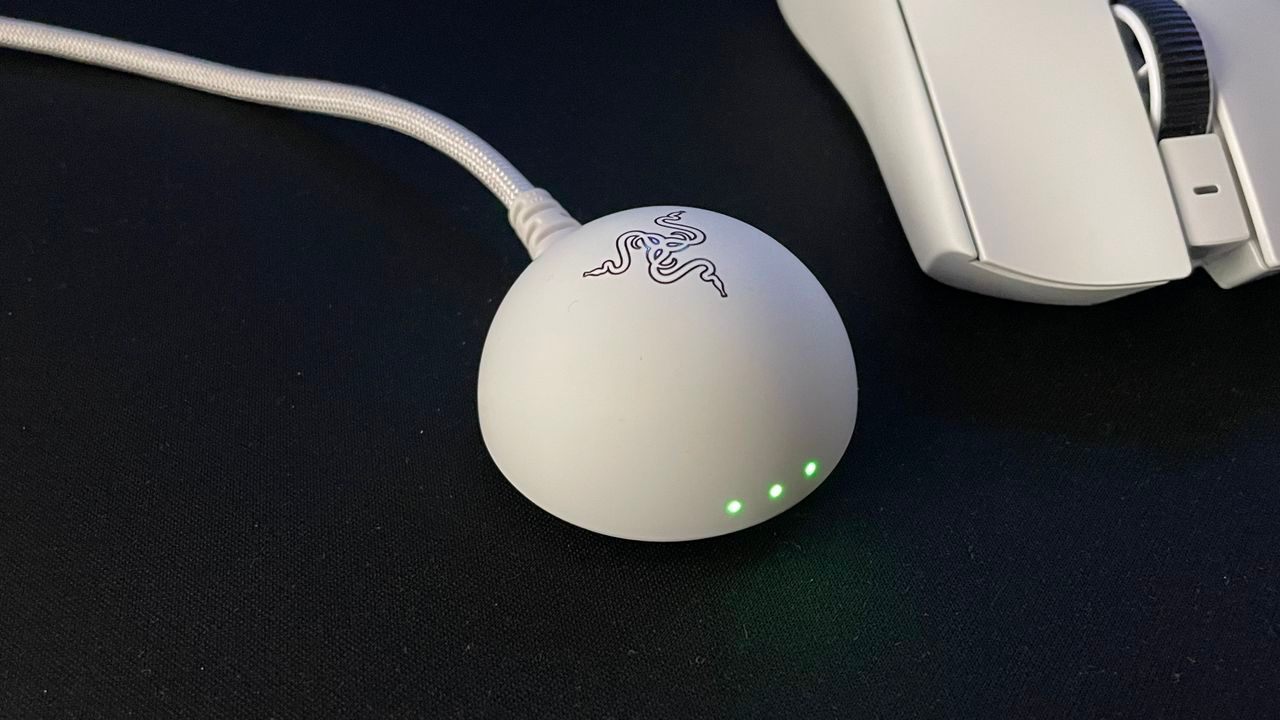
When it comes to high-performance peripherals, finding the absolute best mouse is a quest that often leads to complex engineering. But right now, the crown for the best gaming mouse on the market belongs to the Razer Viper V4 Pro. It’s not just a top-tier peripheral; it excels because it perfectly balances light weight, robust build quality, stellar performance, and impressive battery life.
What truly sets this mouse apart, however, isn’t just its physical design—it’s the clever technology powering its endurance. The extended battery longevity is largely a credit to Razer’s innovative FrameSync tech. This system functions much like G-Sync, but instead of managing monitor refresh rates, it optimizes how the mouse sensor operates, making energy efficiency a core priority.
So, how does this work? Gaming mice rely on two main processes: optical scanning, where the sensor captures movement across the pad, and polling, where the PC requests that movement data. In between these steps is the microcontroller unit (MCU), which handles preparing the raw sensor data for the computer. Razer’s FrameSync innovation addresses this by synchronizing all three elements. It ensures that the sensor scans precisely when the PC polls for data, allowing the mouse to remain incredibly responsive while simultaneously keeping sensor scan-outs low and conserving power.
But is this groundbreaking synchronization just marketing hype? The real magic lies in independent validation. To confirm Razer’s claims, testing moved beyond simple benchmarks into hardware verification. Tech enthusiasts and peripheral reviewers put FrameSync to the test using specialized equipment, including an oscilloscope and a Rigol DS1102Z-E, successfully confirming that the sensor and polling rate are indeed synchronized as advertised.
This independent confirmation provides a powerful layer of assurance regarding the technology’s effectiveness. While some fine-tuning discussions surface—such as periodic small intervals in data transmission—these seemingly minor discrepancies do not undermine the core functionality. The system appears to be doing exactly what it promises: synchronizing the sensor to the polling rate with remarkable efficiency.
Ultimately, while there are always technical nuances to consider in complex hardware, the presence of FrameSync solidifies the Viper V4 Pro’s position at the forefront of gaming peripherals. It demonstrates how clever engineering can deliver both exceptional performance and sustained endurance, pushing the boundaries of what we expect from modern input devices.
Buy on Amazon
Credit