Indie game’s AI sparks backlash from slop skeptics
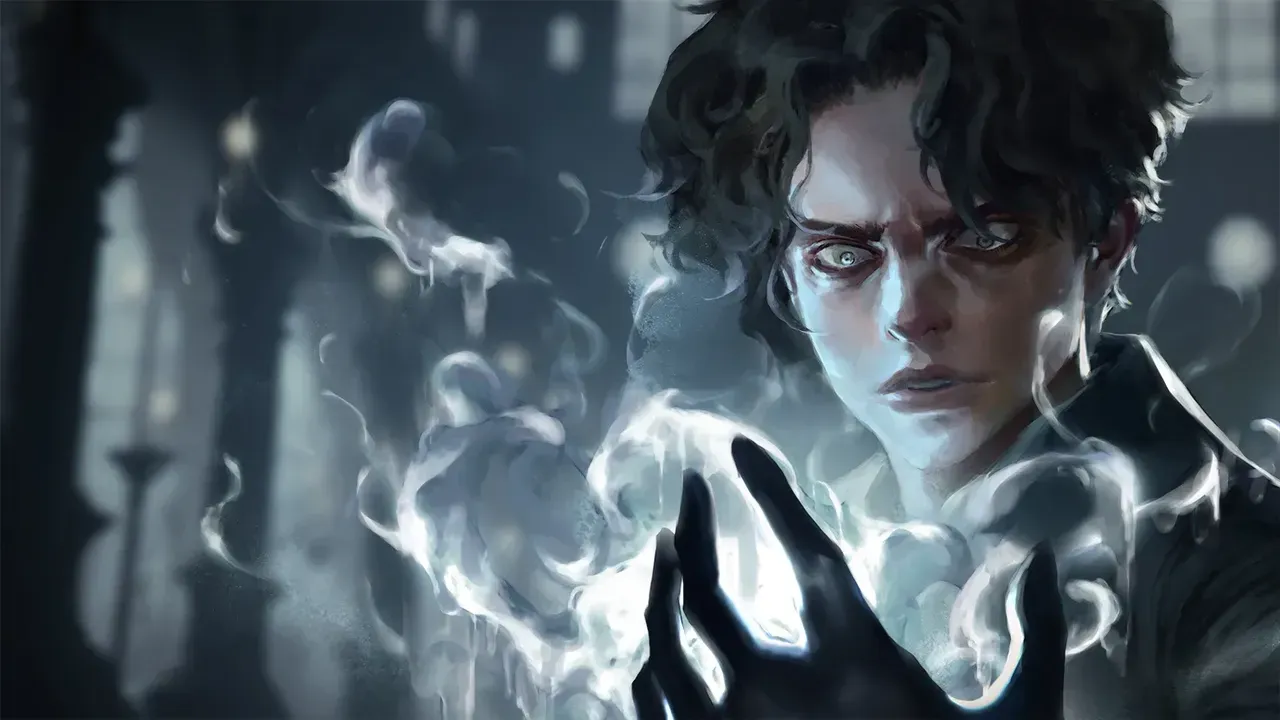
The AI Cutscene Conundrum: When Generative Art Misses the Mark in Vapor World
When Vapor World: Over The Mind launched its early access, it promised a breath of fresh air for the Soulslike Metroidvania genre, blending evocative, painterly art with demanding, parry-heavy combat. With a massive 100,000 wishlists, the anticipation was palpable. But as the dust settled, the focus quickly shifted from the game’s distinctive worldbuilding to a much more pressing, and frankly, baffling issue: the use of generative artificial intelligence in creating the game’s narrative cutscenes.
What began as a high-flying promise quickly encountered a jarring reality. Instead of discussions focusing on the parry-heavy mechanics or the unique atmosphere, the Steam reviews were dominated by questions about the obvious application of AI. The core disappointment centered not on the gameplay itself, but on the inconsistency of the visual storytelling—specifically, the generative AI failed to maintain the main character’s model consistency across the cutscenes.
This moment quickly became representative of the broader tension between creative ambition and technological execution. Reviewers felt that while the gameplay was engaging, the narrative elements felt woefully underdeveloped compared to the quality of the in-game art. The consensus was clear: if the visual style and character consistency were the goal, the results were substandard.
The situation put the small studio, Alive Inc., under intense scrutiny. With a team of only about five people, the public backlash felt particularly heavy. This dynamic raises a fascinating question about the creative process: when does using powerful tools like AI become a shortcut, and when does it become a liability?
Studio director Young Kim addressed the outcry, offering a candid perspective on the decision. He acknowledged the initial rush to implement AI, believing it could unlock an expressive level beyond their existing resources and allow them to focus more purely on the game’s mechanics. However, he admitted that this was a hasty judgment.
Kim stated that he expected some disappointment regarding the use of AI, but not the scale of the reaction. He pointed out the undeniable chasm between the generated cutscenes and the game’s excellent in-game art, suggesting that the tool itself was not the problem. “The fault is not in the tool,” he explained. “It is in our own shortcomings.”
This sentiment rings true across the industry. Alive Inc. has joined a growing list of studios that have faced intense public scrutiny for leveraging generative AI, including Larian Studios and Sandfall Interactive. While Vapor World demonstrates that using AI to cut corners on narrative elements can result in a public backlash, it also serves as a reminder that technology is merely a means to an end; the quality of the final product rests squarely on the creators.
Credit